
In the United States, after the police are done with a crime scene, typically the owners or occupiers of a property are responsible for cleaning up the scene. This process can sometimes cost hundreds or even thousands of dollars to wholly and carefully sanitize an area, making it safe for those living in the affected home. This is an expense many cannot easily afford.
As Rita’s best friend and siblings carefully navigated their way through Rita’s ravaged apartment, they noted a bloody footprint, not Rita’s, in the room where she was found murdered. As the police documented in their final report, and by Rita’s friends and family, the locks were still intact, whereas the phone, Rita’s only possible lifeline for help, was violently ripped off the wall and destroyed. It’s likely that Rita’s attacker was known to her. Being unable to afford the cost of sanitizing the scene of the crime in the wake of Rita’s murder, the people closest to her were left with the regrettable task of cleaning up the site of where their dear Rita died. As Rita’s friends and siblings meticulously scrubbed her walls of all of the leftover fingerprint dust left by the investigators and soaked up her blood all through the night, Kathleen Hester, Rita’s mother, sat alone in an empty room, not far from the place where her daughter was found. Kathleen contemplated the events that must have led to her daughter’s violent end.
Before Rita became “Rita,” she was known to her family as “Hester.” She was born in Hartford, Connecticut, in a large, close family. As Rita was beginning to transition and find her womanhood, Rita found deep connections with others in the underground black trans community in Boston. Most of the time, Rita was a strong, self-assured woman and undeniably had big plans for her future.
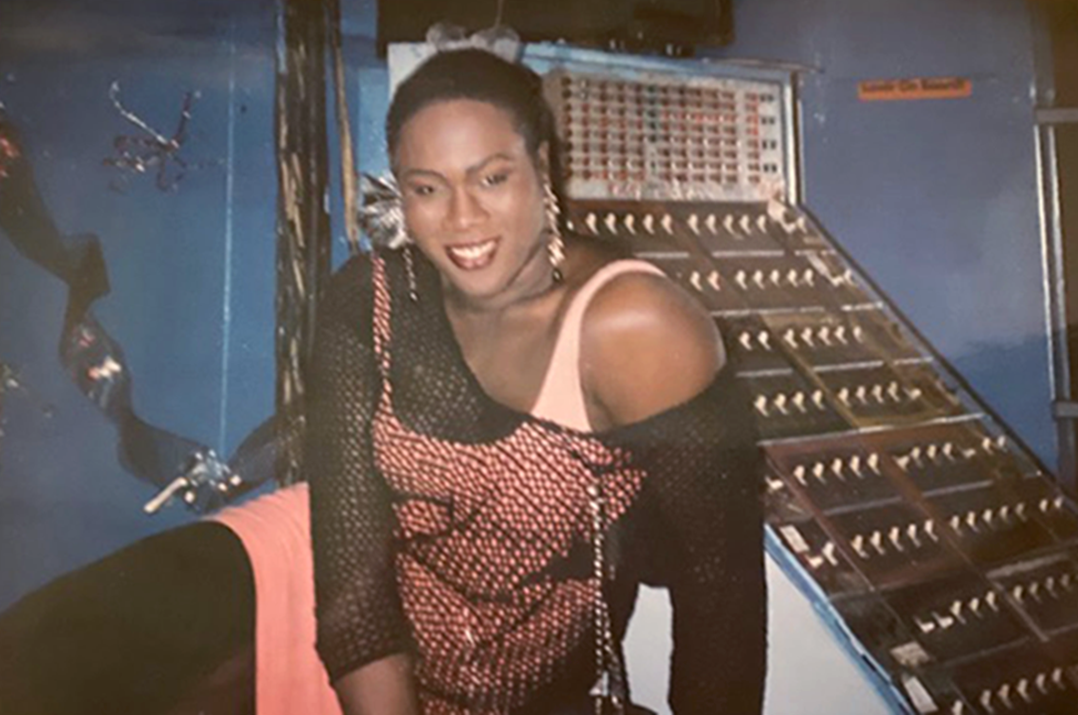
Two days before Rita’s 35th birthday, local police called Kathleen and said that the Boston Police Department needed to reach her, and it “wasn’t good news.” The Boston Police department later called, and in a matter-of-fact tone, over the phone, told Kathleen that her “son” had been murdered. Boston Police never made the short trip out to Kathleen’s home to let her know what had happened or ask questions that may help to solve her murder. To BPD, Rita was just another black, trans victim of violence. She, according to the police, lived in a world that was adjacent to criminality, violence, and deviance.
Just weeks before Rita’s violent and tragic end, another high-profile death in the LGBTQ2S+ community had made national news; this time, it was a white college student who also happened to be gay. Matthew Shepard was beaten and tortured in Laramie, Wyoming. The death of Matthew and Rita were the beginnings of a movement. What we have today is the Transgender Day of Remembrance, a day that in large part is owed to the tragic death of the colourful and kindhearted Rita Hester.
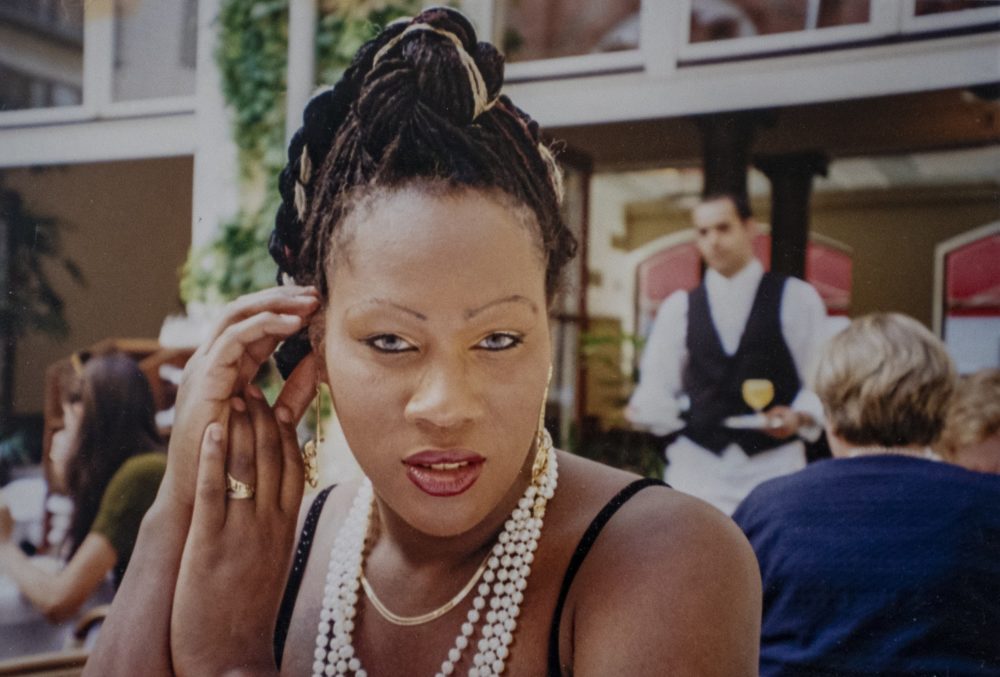
“The Transgender Day of Remembrance (TDoR), also known as the International Transgender Day of Remembrance, has been observed annually (from its inception) on the 20th of November to memorialize those who have been murdered as a result of transphobia. It is a day to draw attention to the continued violence endured by transgender people. The Transgender Day of Remembrance was founded in 1999 by a small group, including Gwendolyn Ann Smith, to memorialize the murder of transgender woman Rita Hester in Allston, Massachusetts the previous year.” (source: Wikipedia)
While the day is a critical event, scholars and activists committed to advancing intersectional approaches to trans politics continue to highlight the importance of seeing transphobic violence as inherently connected to race, gender, and class. This is reflected in the disproportionate instances of violence against trans women of colour in general, Black and Latina transgender women in particular.
While much of the violence directed at trans and non-binary Canadians goes mis– or unreported and is rarely shared, organizations like Trans Pulse Canada have studied the increasing harassment, and physical violence racialized trans people experience. As much as 72 percent of racialized trans and non-binary respondents experienced verbal harassment in the last five years.
Why do we have a day set aside each year to remember and appreciate the struggles of trans people in Canada and around the world? It’s to celebrate the lives of women like Rita Hester, Julie Berman, and the countless other BIPOC trans men and women that have had their beautiful lives taken from us prematurely.
Rita’s murder remains unsolved.
For Rita and Julie and all the names we don’t have, but who lived their truth.
The Niagara Transgender Action Coalition (NTAC) is hosting an event on the 20th of November at the main branch of the St. Catharines Public Library (54 Church St.) at 2:00 PM in recognition of the Transgender Day of Remembrance to honour the dead, support the living and take action for a better tomorrow. It’ll be an afternoon of panel discussions, live performances and connect with trans-inclusive resources in Niagara.
Local trans and ally organizations in Niagara include:
• Brock Student Justice Centre, De dwa da dehs nye>s Aboriginal Health Centre, Niagara Falls Community Health Centre, OPIRG Brock, OUTniagara, PFLAG Niagara, Positive Living Niagara, Quest Community Health Centre, Transgender Niagara
Make a one-time donation
Make a monthly donation
Make a yearly donation
Choose an amount
Or enter a custom amount
Your contribution is appreciated.
Your contribution is appreciated.
Your contribution is appreciated.
DonateDonate monthlyDonate yearly
On Not Disappearing
I am not good at making lifelong friends. My record is uneven, marked by distance and missed chances. Going stealth would have only deepened that pattern. More importantly, it would have meant abandoning the mercy, empathy, and action shown by the people who stood beside me. I needed their proximity—not just their support, but their…


PART 3 – NO PERMISSION NEEDED: What Was Once Shame Has Become Pride
What began as innocent play, the joy of dressing up and pretending, soon curdled into confusion and punishment. My parents’ gentle corrections hardened into anger, their voices faltering with something more akin to unrelenting impatience. My pleas — small, wordless, desperate — were dismissed as misbehaviour. How could I have explained, at four or five…

PART 2 – SHAPE OF BECOMING: Grief, Legacy, and Inheriting Her Echo
Grief is a complex journey, shaping identity through loss and memory. Sabrina reflects on her relationship with her mother, navigating absence, longing, and legacy. While struggling to inherit her traits, they ultimately find strength and validation in her mother’s enduring voice, guiding them towards self-acceptance and growth.

WHEN CARE IS “SILLY” AND “DANGEROUS”: How Ontario’s Transgender Health Care Crisis Isn’t a Mystery—It’s Neglect
Sabrina recounts her challenging experience seeking transgender healthcare, highlighting systemic inequalities in Ontario. Despite clear medical guidelines, her family doctor dismissed valid requests for treatment. A significant percentage of trans individuals face unmet healthcare needs, necessitating urgent changes, including training for providers and increased funding for care.
 Sabrina Constance