

In what can only be described as a deliberate act of institutional cowardice, the Executive Director of the Niagara Regional Police Services Board has denied my request to appear as a delegate at their September meeting. My intention was urgent and straightforward: to raise the alarm about persistent, unaddressed transphobia within the Niagara Regional Police Service (NRPS) and to advocate for meaningful changes in how the 2SLGBTQQIA+ community is treated by law enforcement in our region. Instead, I have been silenced—denied the opportunity to speak truth to power by a public institution that appears hell-bent on shielding itself from scrutiny.
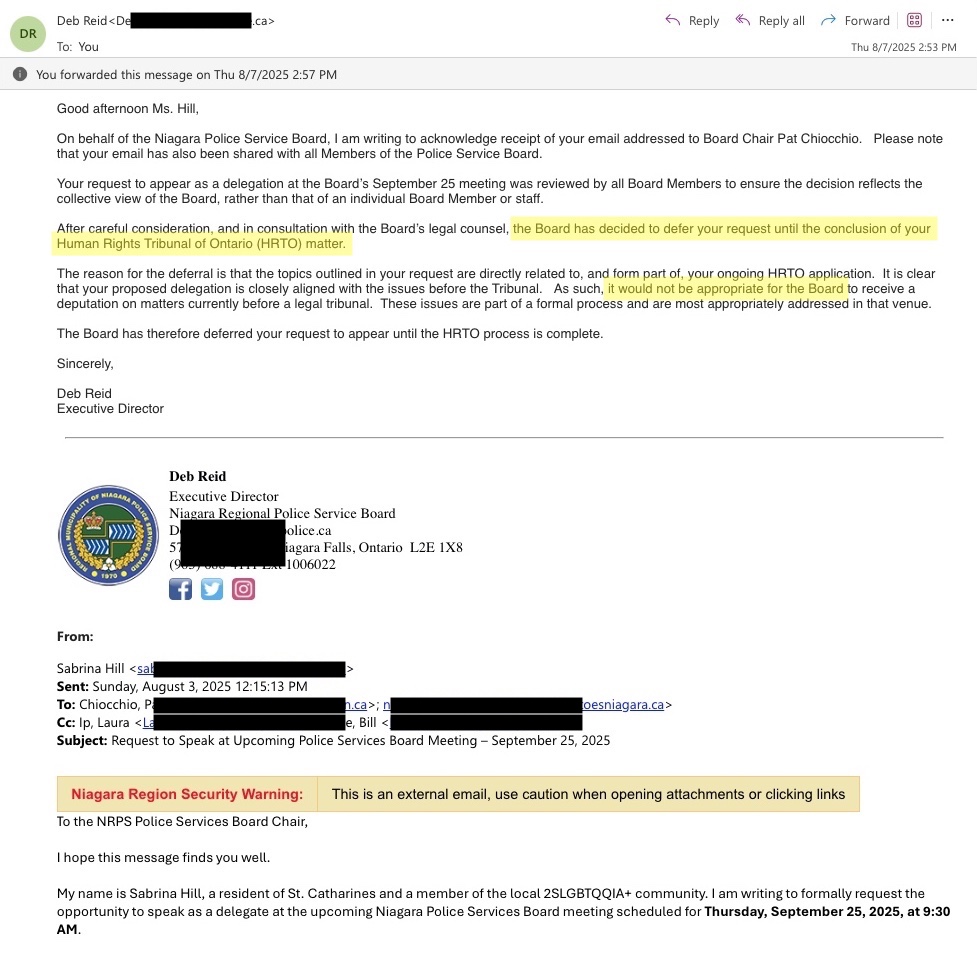
Three separate and documented incidents involving 1-DIST constables demonstrate a pattern of deliberate, dehumanizing conduct rooted in transphobia. These were not ‘misunderstandings‘ or ‘lapses in judgment.‘ They were intentional, harmful, and emblematic of a police service that sees trans people not as citizens deserving protection, but as nuisances to be dismissed, degraded, or erased. When I attempted to bring these grave concerns before the Board—the civilian oversight body allegedly responsible for ensuring accountability—I was told no. Denied by Executive Director Deb Reid, whose decision ensures the Board remains insulated from the reality of what policing in Niagara actually looks like on the ground.
This denial is not just a personal affront; it is a violation of democratic principle. In Canada, the right to engage with our public officials is enshrined in both common law and the Charter of Rights and Freedoms. Section 2(b) of the Charter guarantees freedom of expression, including the right to communicate with elected officials and demand redress for grievances. This includes presenting to public boards and committees tasked with overseeing services that directly impact our lives. The Supreme Court of Canada has consistently upheld ‘the importance of open participation in civic processes‘ as ‘fundamental to a functioning democracy.’ Yet in Niagara, both the municipality and the police service have developed a pattern of shutting down criticism and evading accountability—particularly when the criticism highlights their own systemic failures.
Let’s be clear: this is not about process or protocol. It is about control. It is about maintaining a sanitized illusion of public trust while preventing those most harmed by the institution from having a voice. My attempt to speak to the Board about the real, lived experiences of trans people in Niagara was denied because it challenges the fiction that NRPS is a “fair, inclusive, or competent police service.“
The truth is, NRPS has one of the lowest rates of diversity among uniformed officers in Ontario. Its leadership has shown little appetite for reform, and even less for empathy. Ask around Niagara’s marginalized communities—predominantly Indigenous, Black, unhoused, and 2SLGBTQQIA+ residents—and you’ll hear the same thing: Niagara Regional Police treat us as problems to be managed, not people to be served. Their track record of dismissing complaints, whitewashing misconduct, and hiding behind opaque internal investigations is extensive. The system is engineered to protect itself. And in doing so, it has failed the very people it claims to serve.
In reality, a constable in Niagara can’t be held accountable for misconduct under the Community Safety and Policing Act, 2019, SO 2019, c. 1, Sched. 1. Complaints are either internally dismissed, quietly buried, or subjected to review processes so convoluted and biased they may as well be ornamental. This is not oversight; it’s obstruction. And any system that sees itself as above criticism, reform, or culpability is not only failing—it may already be too far gone to be salvaged.
What does it say about our institutions when a transgender woman cannot even speak at a public meeting about her own mistreatment at the hands of public servants? What message does it send to young queer people in Niagara when their identities are not only mocked by police, but their advocates are denied a platform to even address it?
The denial of my delegate request is not a clerical decision. It is a symptom of a sick system. It is a conscious effort to suppress dissent, to silence the voices of equity-seeking communities, and to preserve a toxic status quo. But I will not be quiet. And I know I’m not alone.
If Niagara’s public institutions truly believe in justice, equity, and community safety, then they must prove it—not with platitudes or press releases, but with action. And that starts with listening. Listening to those they’ve harmed. Listening to those demanding better. Listening to people like me, who will keep showing up, even when the door is slammed shut.
Because justice isn’t something granted by gatekeepers. It’s something we take back—together.
Sabrina Hill is a transgender advocate, journalist, and community organizer living in Niagara. She speaks regularly on issues of police accountability, human rights, and equity.
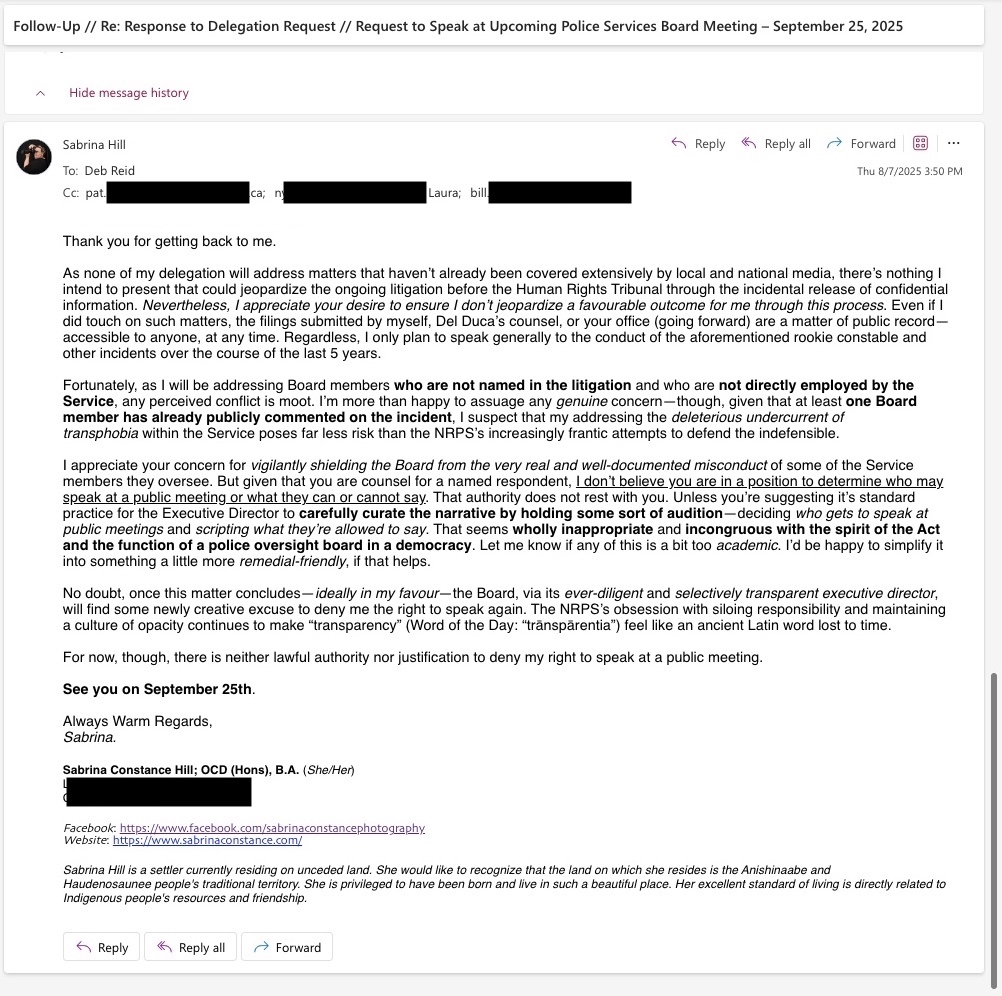
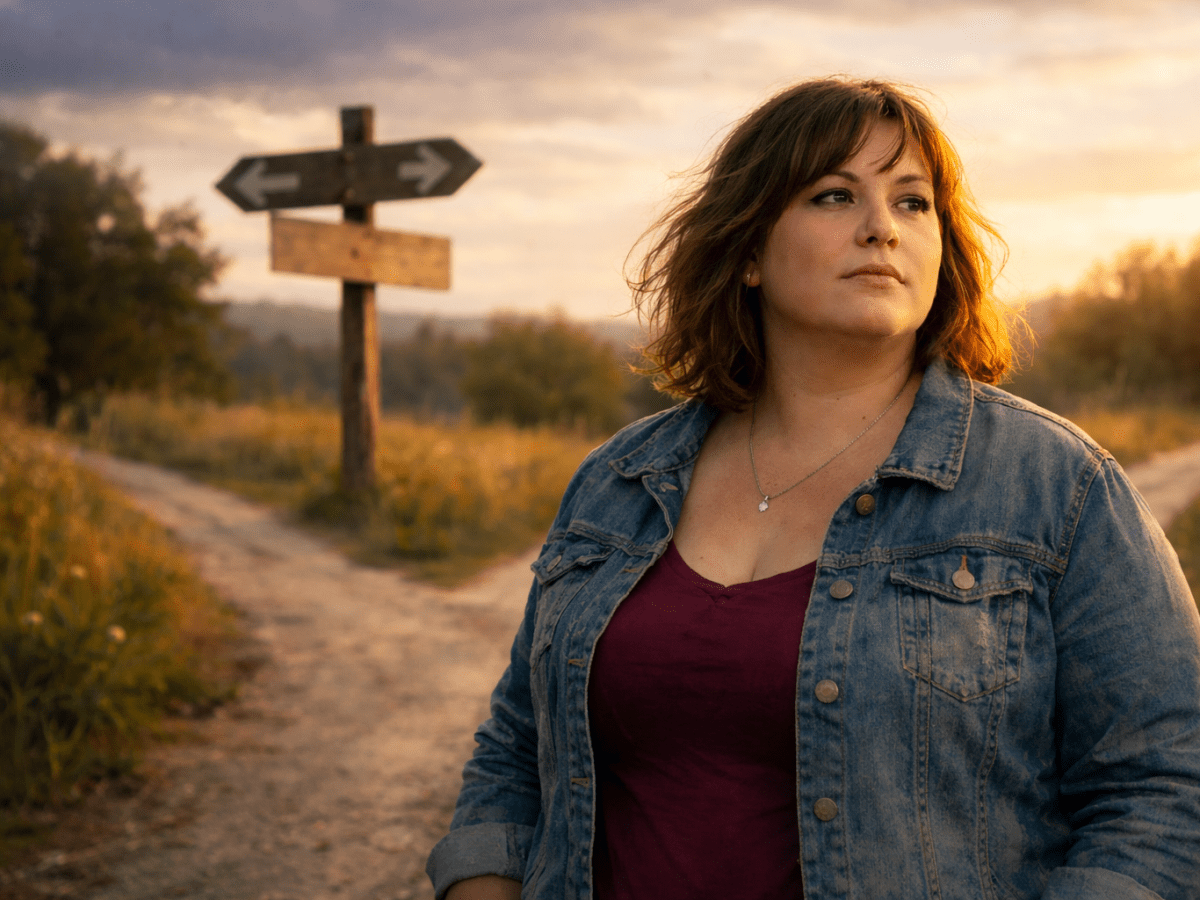
On Not Disappearing
I am not good at making lifelong friends. My record is uneven, marked by distance and missed chances. Going stealth would have only deepened that pattern. More importantly, it would have meant abandoning the mercy, empathy, and action shown by the people who stood beside me. I needed their proximity—not just their support, but their…

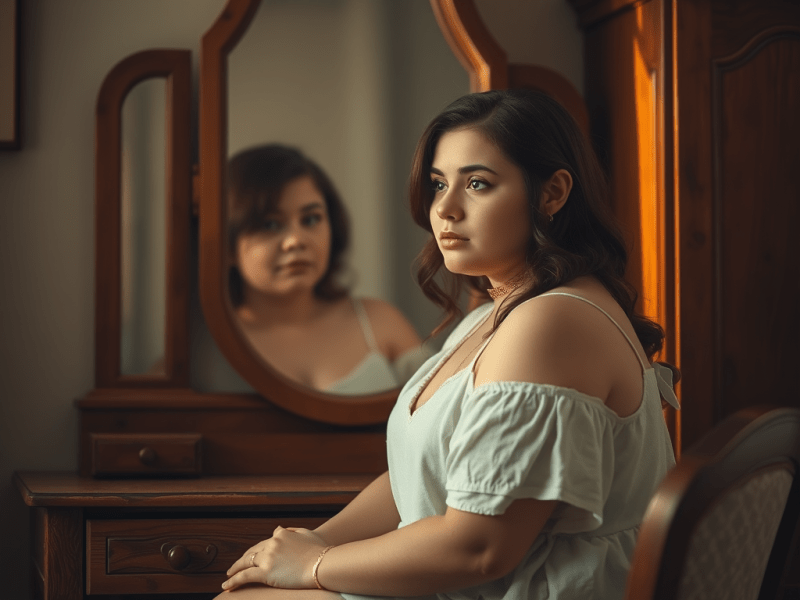
PART 3 – NO PERMISSION NEEDED: What Was Once Shame Has Become Pride
What began as innocent play, the joy of dressing up and pretending, soon curdled into confusion and punishment. My parents’ gentle corrections hardened into anger, their voices faltering with something more akin to unrelenting impatience. My pleas — small, wordless, desperate — were dismissed as misbehaviour. How could I have explained, at four or five…
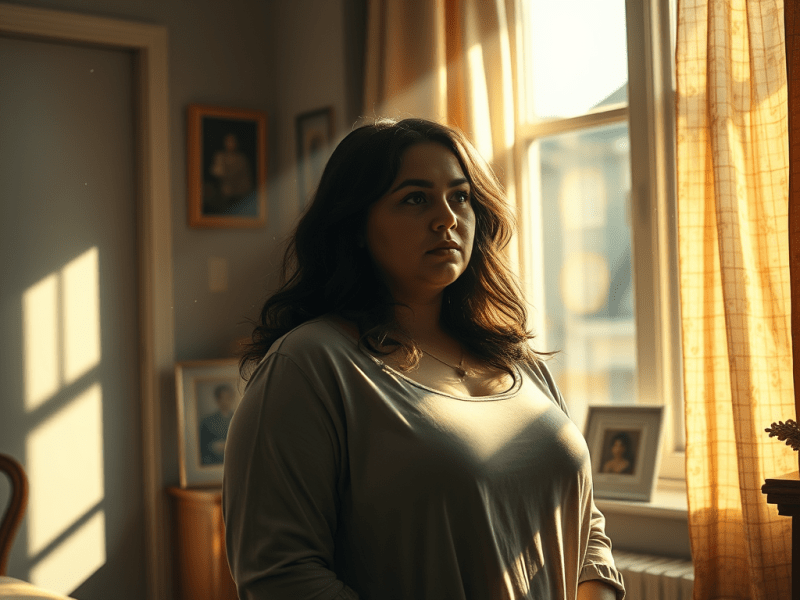
PART 2 – SHAPE OF BECOMING: Grief, Legacy, and Inheriting Her Echo
Grief is a complex journey, shaping identity through loss and memory. Sabrina reflects on her relationship with her mother, navigating absence, longing, and legacy. While struggling to inherit her traits, they ultimately find strength and validation in her mother’s enduring voice, guiding them towards self-acceptance and growth.
 Sabrina Constance