Prologue
Searching for yourself in faraway places can feel like chasing your own shadow—sometimes you catch it in the corner of your eye; other times it slips away, and you wonder if it was ever really there. This is my story of that search: of coming apart and piecing myself back together in cities that felt both like home and like nowhere I belonged.
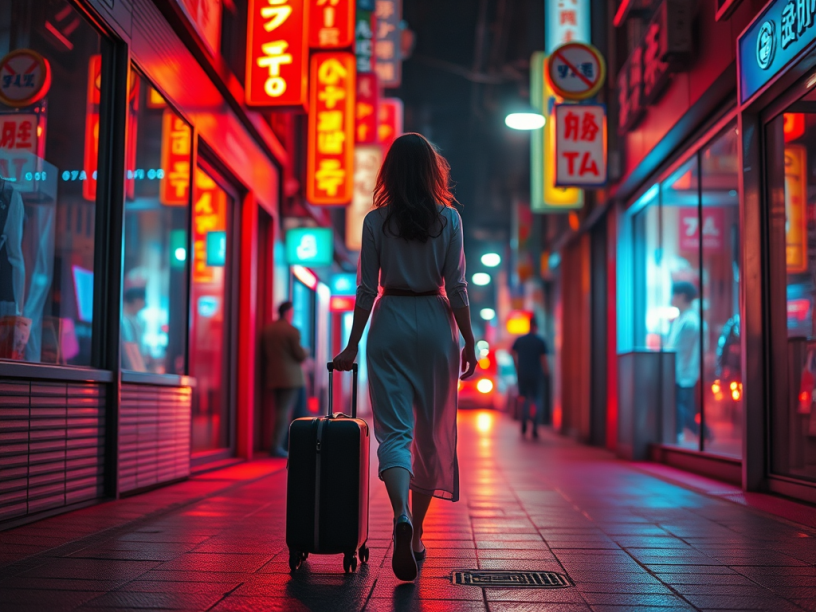
I arrived with a suitcase that was light, but a heart that wasn’t. Hope was there, yes—but so was the quiet fear that I might never truly find where I fit. I carried that weight through the strange streets of Seoul, Siheung, Ansan, and Anyang; through lonely nights, fleeting moments of recognition, and connections so unexpected they stopped me in my tracks.
I learned that belonging and otherness can live side by side. That silence can be as heavy as stone. And that a single kind word—or a glance that says I see you—can feel like salvation.
As you read, I hope you find something of yourself here—not because our paths are the same, but because the search for home, for self, is something we all carry. This is my story of becoming, told with all its cracks, its tenderness, and the stubborn hope that kept me walking forward.
The Quiet Work of Becoming
I’ve lived in two cities and belonged to neither. In Seoul (서울), I was visible: a trans woman, foreign and unmistakably different, moving through narrow streets and neon nights with the quiet triumph of being seen. But I was also a guest—without roots, a name that never quite fit in the mouths of locals. In St. Catharines, the familiarity had frayed; the streets remembered me, but the people did not. I walked past old haunts like a ghost haunting her own origin story.
Neither city offered sanctuary—only stages where I played versions of myself I didn’t fully believe. And so, I floated: between languages, between identities, between places that offered pieces of home but never the whole. Sometimes I wondered if home isn’t found at all, but built from scratch—and if longing for it is simply part of being alive.
Amid the neon haze of Seoul’s midnight alleys and the rust-tinged quiet of St. Catharines, I began to unravel my identity. I remember how light clung to the buildings in both cities, how shadows stretched across my frame like a second skin I hadn’t yet shed.
Eventually, staying where I was began to feel like fading from my own life. I needed more than escape—I needed a clean break. A place where I could strip myself down to the foundation and start over. I wanted to step into unfamiliar streets not only to see new landscapes, but to meet different versions of myself, to relearn who I was, and to rebuild from the ground up.
In Canada, before I left, I moved through the world like a ghost—trapped in the wrong name, the wrong body, the wrong silence. In Korea, in this unexpected corner of Asia where cities shed memory as quickly as the seasons change, I found a stillness that held me. Through my camera lens, through hours of self-reflection, through writing that felt more like therapy than art, I began tracing a new map of myself—one drawn in light, loss, and the slow, aching joy of becoming.
As I loaded my few bags into the car, my father and I slowly backed out of the driveway. My mother stood on the front porch, waving—her frame thinner than I remembered, her movements slowed by the years-long battle with cancer that had already stolen so much from her. She was too ill to make the trip to Pearson with us. I had her blessing to go, to search for something new, somewhere far from here, but as we pulled away, I felt the weight of the moment press against my chest. I couldn’t shake the thought that this might be the last time I’d see her—the last image of her fixed in my memory: small against the doorway, smiling through pain. Beneath the fear was a sharper ache—the quiet accusation that I was a coward for leaving her at all. Yet, even as I drove away from that house, I carried with me the unspoken promise that this distance was only part of the story—that one day, the path I was choosing might bring me back to her, changed but whole.
Stepping off the plane in Korea felt like emerging from the womb of my old life into a world awash in strange light. I wasn’t yet the new me—just a raw, unshaped version, blinking at the vastness of possibility—but I could feel the promise in the air. Outside the airport, the unfamiliar wrapped around me: strangers moving in rhythms I didn’t yet understand, scents sharp and sweet in the humid night, every sign dressed in the flowing lines of Hangul (한글). It was dizzying and disorienting, but instinct told me this was soil where I could root myself anew—a place where my edges could soften and reform, where I could grow into someone I had not yet met.
Accidental Grace
When I first landed in Korea, I was struck by how little anyone seemed to notice anyone else. Like New York, people moved through the streets wrapped in their own thoughts or lit by the glow of their phones. That anonymity felt like a gift. Here I could change, transition, and no one would look twice. In the big cities—Seoul, Busan (부산), and Incheon (인천)—that proved true. But in the smaller towns, it was different. Foreigners were rare. The moment I stepped off a bus in a rural village, I could feel every eye marking me as other.
Distance from family and friends—and with them, their expectations, doubts, and quiet (or not-so-quiet) confusion—was my first authentic taste of freedom. Moving to Korea had been, in many ways, a happy accident. To a foreigner’s eye, there seemed to be only one kind of woman here: graceful, disciplined, unapologetically feminine. In the West, I might have struggled to imagine the woman I wanted to become. In Korea, the model was right there—intimidating, yes, but also a kind of template.
Gender norms here were rigid, and the divide between men and women was more pronounced than anything I had known in Canada. The women seemed sculpted from grace itself—poised, impeccably dressed, their steps measured and precise. Attempting to present as a woman in this environment felt like stepping into a labyrinth. It was a baptism by fire.
In those early days of my transition, I lived in a state of hyper-awareness—a habit I’d carried since childhood. Whether dressing at home or stepping into public, a current of tension hummed under my skin. But in Korea, the language barrier softened the edges. Even if there was curiosity or judgment, it rarely reached my ears. Hostility was rare; mostly, there were lingering glances from people unsure of what they were seeing.
After finding one of the rare doctors in Korea who treated transgender women, and months of diligently taking estrogen, I began to embrace the recognition of my womanhood—even on makeup-free days in androgynous clothes. It was a milestone I’d dreamed of for years, though it came with a mix of joy, confusion, and anxiety.
The first time I truly crossed that threshold came on a trip back to Seoul from Busan with my best friend Heejung (희정). When we arrived at the massive train station (서울역), I needed to use the bathroom. No makeup, just a T-shirt and shorts—I figured the men’s room was safer. But as I approached, an ajumma (아줌마)—an older Korean auntie—stepped out, closing it for cleaning. We nearly collided. Without hesitation, she grabbed my arm with that unmistakable Korean blend of maternal kindness and assertiveness, and steered me toward the women’s bathroom. She had seen me as a woman, without question.
It was such a small moment, almost comedic, but it cracked something open. I left that station walking lighter, the first real proof that what I was doing—this slow work of becoming—was working.
Later, at Yongsan Station (용산역), I faced another ajumma in the women’s bathroom. Dressed in a black Michael Kors dress, my makeup applied with the care of a hundred YouTube tutorials, I felt confident. But as I turned to leave, I felt her fingers tug at my dress. Fear surged—was this confrontation? Exposure? But then I realized: my dress had gotten caught in my pantyhose, leaving my backside on display with all the modesty sheer pantyhose and a thong could muster. She wasn’t questioning my right to be there; she was helping me preserve my dignity.
In that quiet, practical gesture, I felt a different kind of validation. Not the thrill of being seen, but the warmth of being cared for, however briefly, by a stranger. It was another stitch in the fragile fabric of belonging I was piecing together—one small act of grace in a place that was slowly becoming part of my story.
Constellations in a Strange Sky
I had arrived in Korea alone—just me, a suitcase, and the hum of a foreign city at night. The solitude pressed down at first, a reminder that this journey would be mine to walk, step by uncertain step. But within my second week, I met Heejung: small in stature, unstoppable in spirit, determined to make sure the few waegukin (외국인, foreigners) in Siheung (시흥) felt settled and seen. She was our guide in a place where English was scarce, bridging the gap for those of us placed in schools where the language barrier could feel like a wall.
Though she worked at a different school, we became fast friends—drawn together by something I still can’t quite name. Whatever that spark was, it became a lifeline. With Heejung, I could set down the weight of fear and the ghosts of all my failed coming-outs. I told her my truth. She didn’t hesitate. She didn’t flinch. She simply accepted me, whole.
She became my shield and my sword—fiercely protective, unwaveringly loyal, holding space for me in a world that often refused to see. Through her, I met others. A small constellation of friends gathered around me, each one an anchor in this unfamiliar place. They believed in me before I believed in myself. They stood between me and the worst of my doubts.
Not all of Korea felt like a gentle awakening. Beneath the moments of affirmation was a more complicated truth: my identity was still tethered to the cold weight of government paperwork. On the street, I moved as myself. On paper, I did not exist that way. My legal name and gender remained fixed in ink and plastic, dictating how the world saw me in ways I couldn’t yet escape.
Work made that dissonance sharpest. After ten years, the last place I worked before leaving became a crucible, where my boss wielded authority like a blade. She pressed me to conform to her narrow idea of “appropriate,” each command a reminder that the documents in her hand mattered more than the person standing before her. My identity sat suspended between two worlds: Korean records linked to Canadian pages, and a homeland that refused to rewrite my story while I lived abroad.
When that boss left, the air in the office lightened—but her shadow lingered. I still didn’t feel fully seen there, and maybe I never had.
I had left Canada alone, expecting an adventure shaped by struggle but softened by excitement. What I didn’t expect was that the people I met—chief among them Heejung—would become the foundation of my new beginning. They weren’t just companions. They were mirrors, reflecting the woman I was becoming long before I could see her clearly. Without their love, I might have taken a different path entirely—one that would have led me away from the life I am building now.
Epilogue
If we were side by side right now, I’d tell you this isn’t really an ending. It’s a pause—a quiet stretch of road where I can look back at where I’ve been, then ahead to what’s still waiting. What I’ve shared here is only a fragment: a handful of moments from two very different worlds that have shaped me in ways I’m still learning to name.
Soon, I’ll be crossing oceans again. I’ll tell you what led me back to Canada after more than thirteen years in Korea, how the slower rhythm of a smaller city began to change the way I think about belonging, and how I’ve come to believe that home isn’t just a place. It’s the people you let in, the spaces you make for yourself, and the quiet, persistent work of weaving your truth into everyday life.
If you choose to keep walking with me, I’ll be grateful for your company. The road feels softer with someone beside you.
“PART 2 – SHAPE OF BECOMING: Grief, Legacy, and Inheriting Her Echo” coming soon.
On Not Disappearing
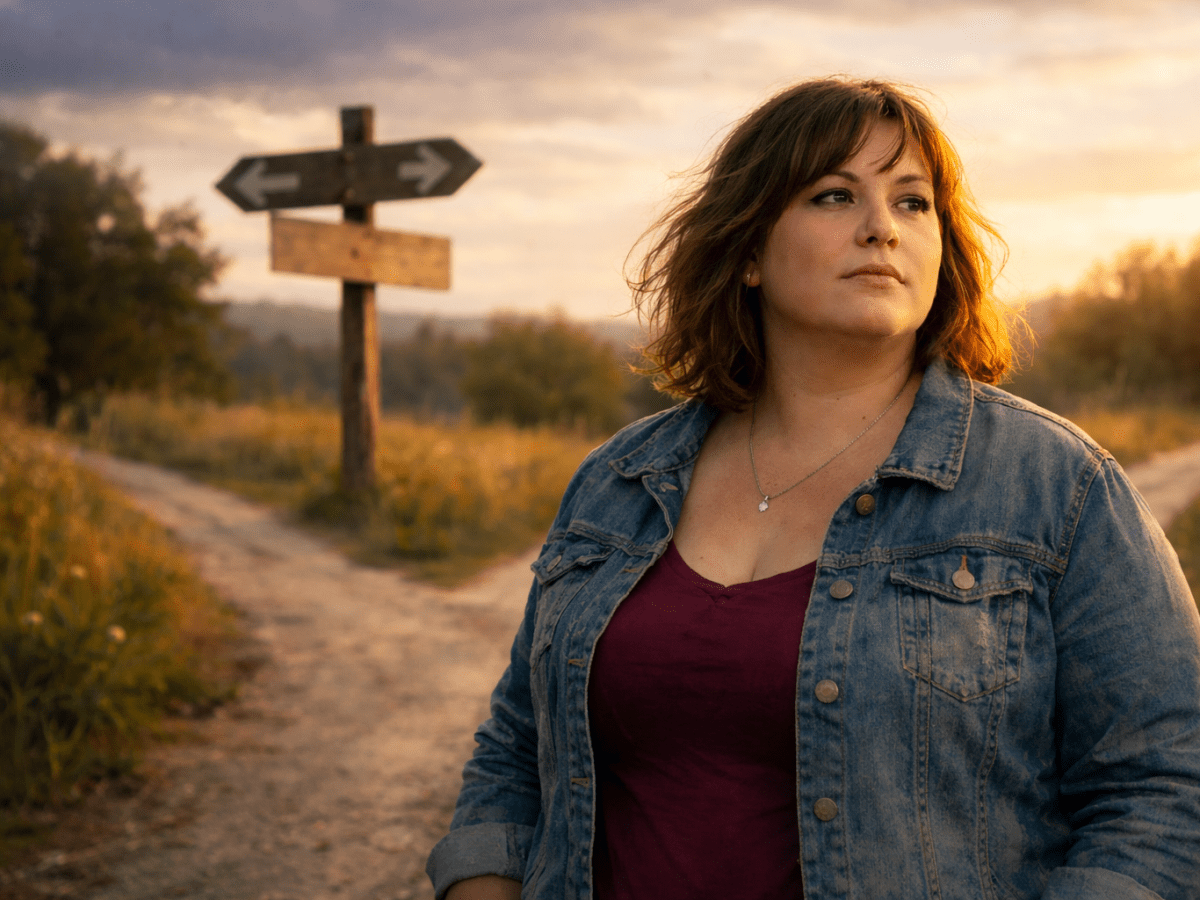
I am not good at making lifelong friends. My record is uneven, marked by distance and missed chances. Going stealth would have only deepened that pattern. More importantly, it would have meant abandoning the mercy, empathy, and action shown by the people who stood beside me. I needed their proximity—not just their support, but their…

PART 3 – NO PERMISSION NEEDED: What Was Once Shame Has Become Pride
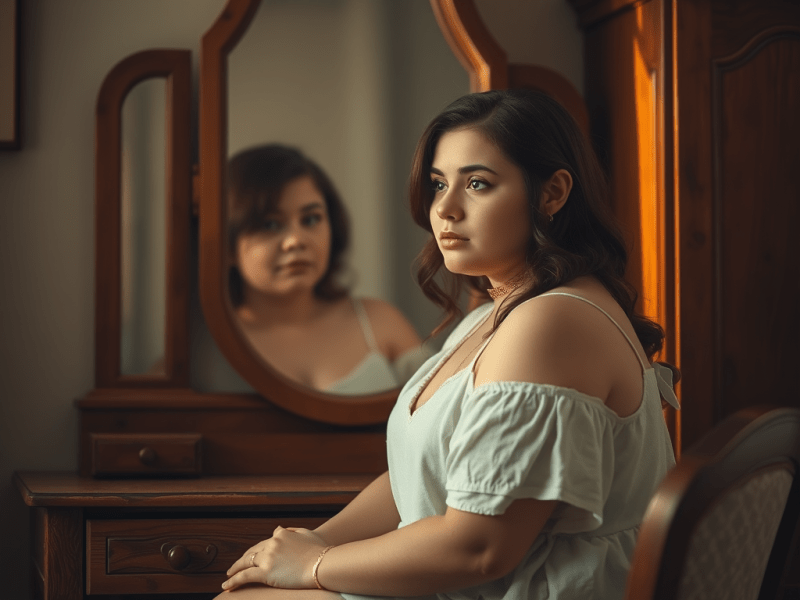
What began as innocent play, the joy of dressing up and pretending, soon curdled into confusion and punishment. My parents’ gentle corrections hardened into anger, their voices faltering with something more akin to unrelenting impatience. My pleas — small, wordless, desperate — were dismissed as misbehaviour. How could I have explained, at four or five…
I DIDN’T PLAN TO BECOME A TEACHER: The Students Who Made Me Stay
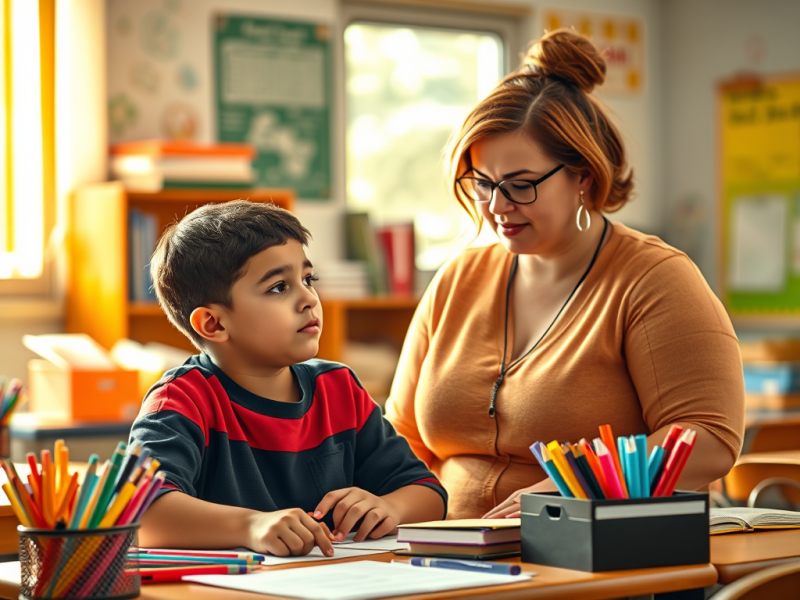
I didn’t become a teacher because I planned to. I became one because I stayed. Because I said yes often enough. Because students like Alex and Clare taught me that education is not merely academic—it is relational, fragile, and profoundly human.
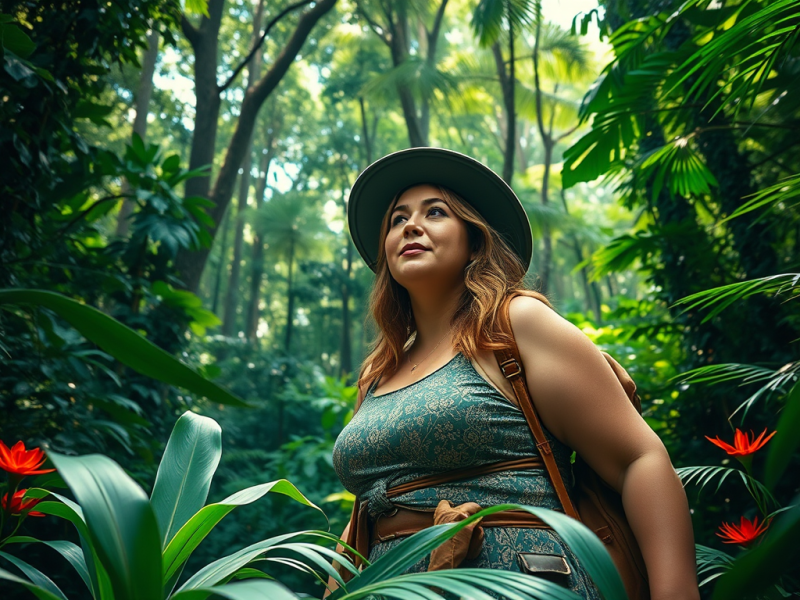
RAISED BY PLACES UNSEEN: The Quiet Way Borneo Found Me
I arrived in Kota Kinabalu under a veil of night. The airport was modest, its walls carrying a patina of age that felt unexpectedly comforting. It didn’t strive to impress; it felt lived-in, a doorway used by generations of travellers before me.
 Sabrina Constance