Prologue
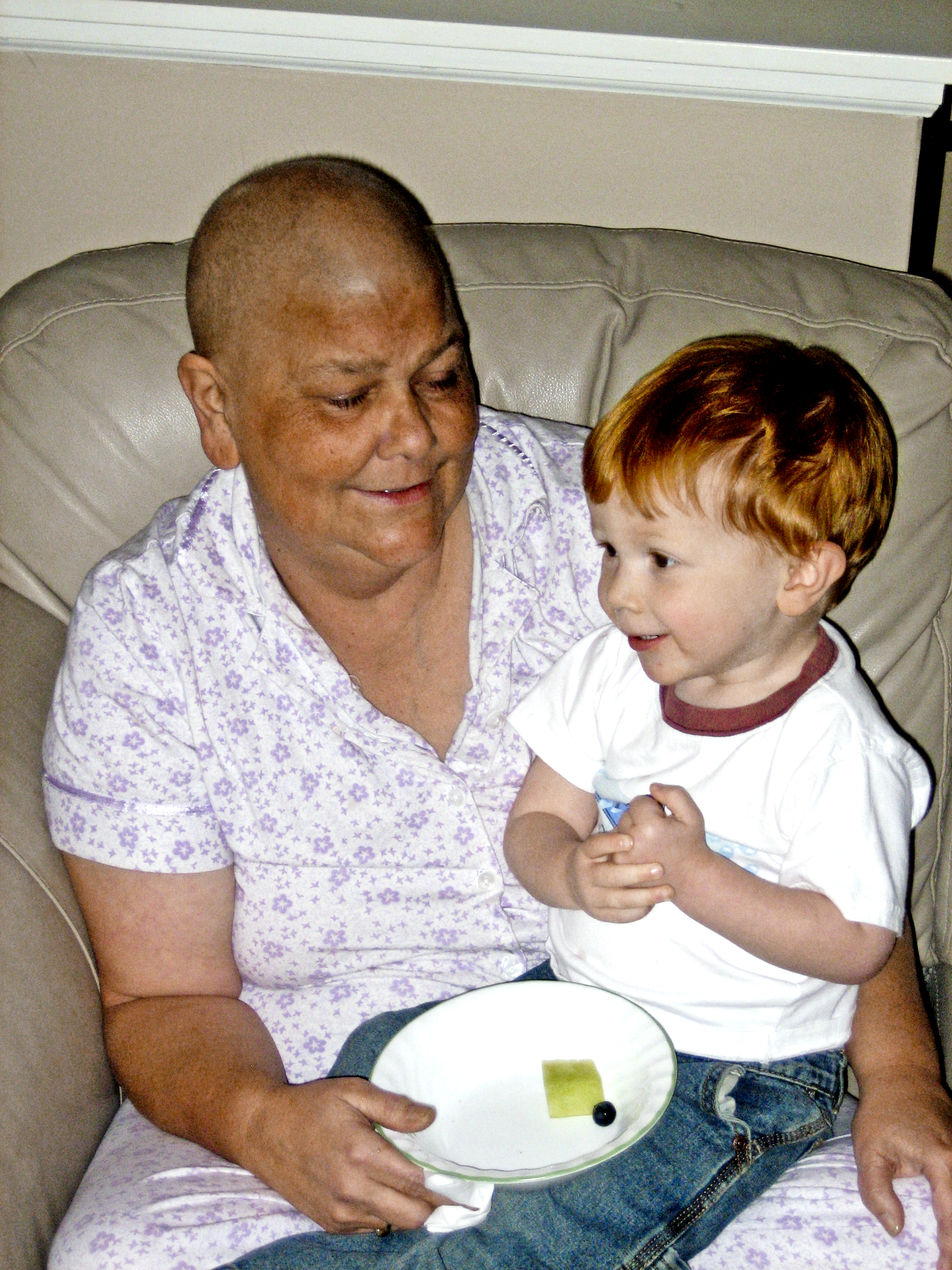
Grief is a peculiar architect. It builds rooms inside us where echoes live longer than voices, where shadows remain even after the light has gone. My mother’s absence became one such room, and for years I wandered through it, searching for a reflection that never came. Daughters learn from their mothers, so the world says—the cadence of their laughter, the diplomacy of their words, the quiet rituals of beauty and strength. I wanted desperately for that to be true. Yet my life unfolded differently. My mother never saw me as her daughter, and I never truly got to see myself in her. I loved her, admired her, and longed to occupy the same effortless grace, but the mirror between us was always muddied, distorted by the roles we were forced to play.
Inheriting Her Echo
Over time, unconsciously and with significant effort when I could summon it, I began to inherit her traits. Not perfectly, never fully, but sometimes I catch her echo in myself: the way I try to soften sharp edges in conversation, the instinct to mediate before a quarrel escalates, the stubborn persistence to nurture when the world seems barren. When I moved back to Canada for good, I realized the role I had been called to in my fractured family was the one she had always occupied—the peacemaker, the diplomat. I needed to channel her optimism, her quiet insistence that action mattered. In those early days, I patched over skirmishes between my father and brother, my father and his mother, weaving together fragments of compromise and calm. Using her direct way of calling out immaturity, blended with some present-day pop psychology, I tried to rebuild what was frayed. Sometimes I succeeded; often I failed. Every misstep reminded me that her instincts were hers alone, graceful and instinctive, while mine were awkward, borrowed, flawed.
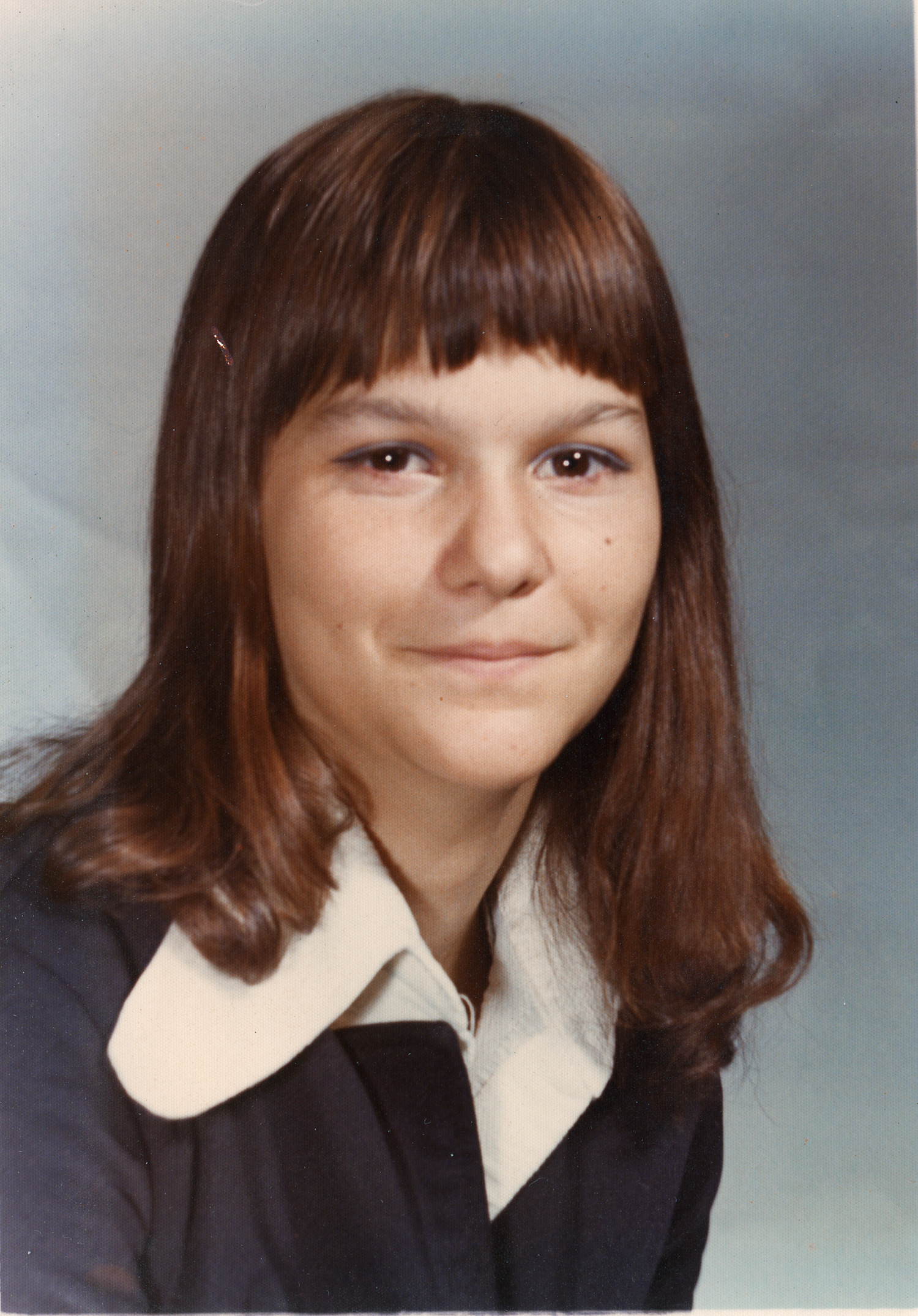
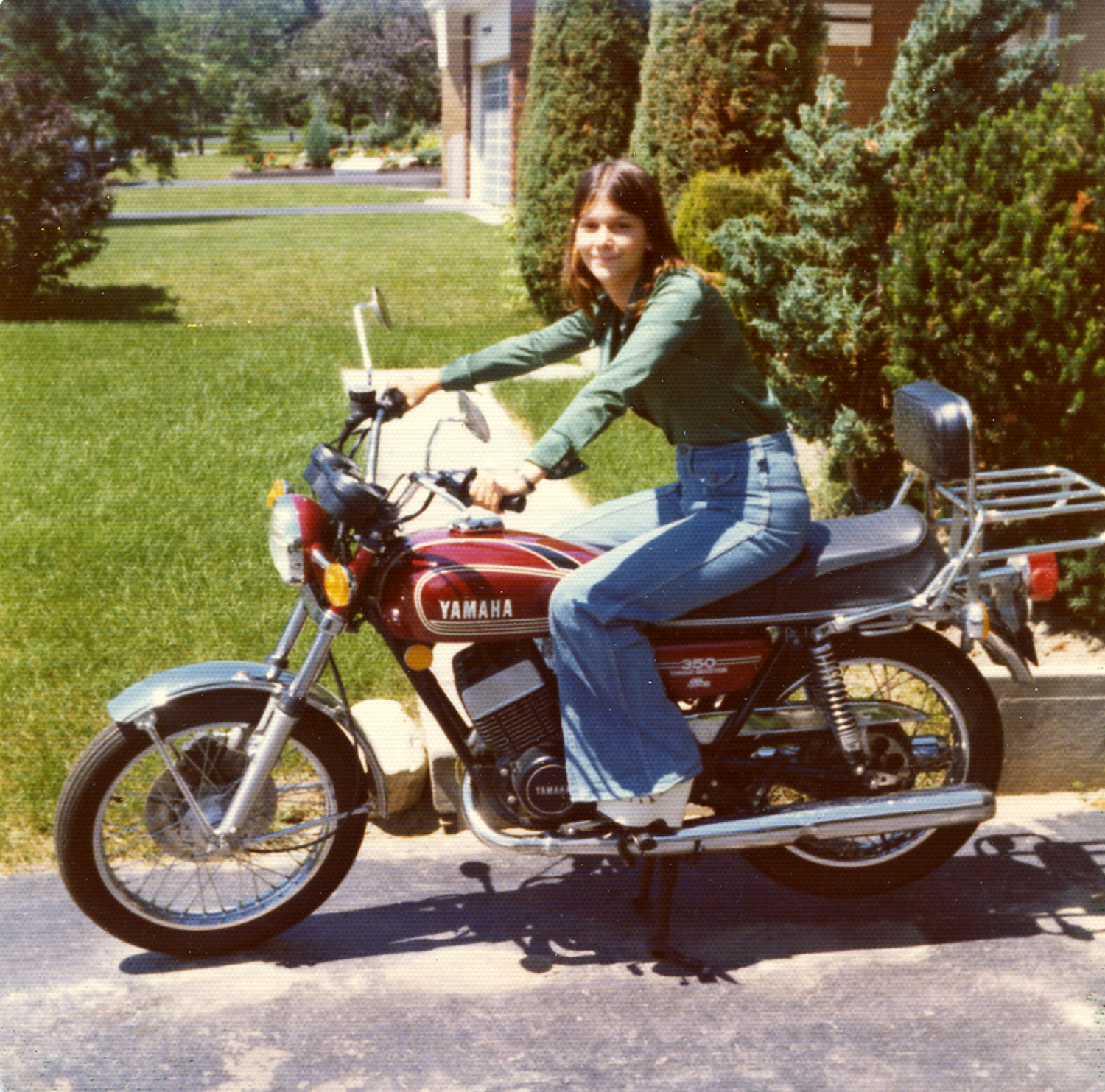
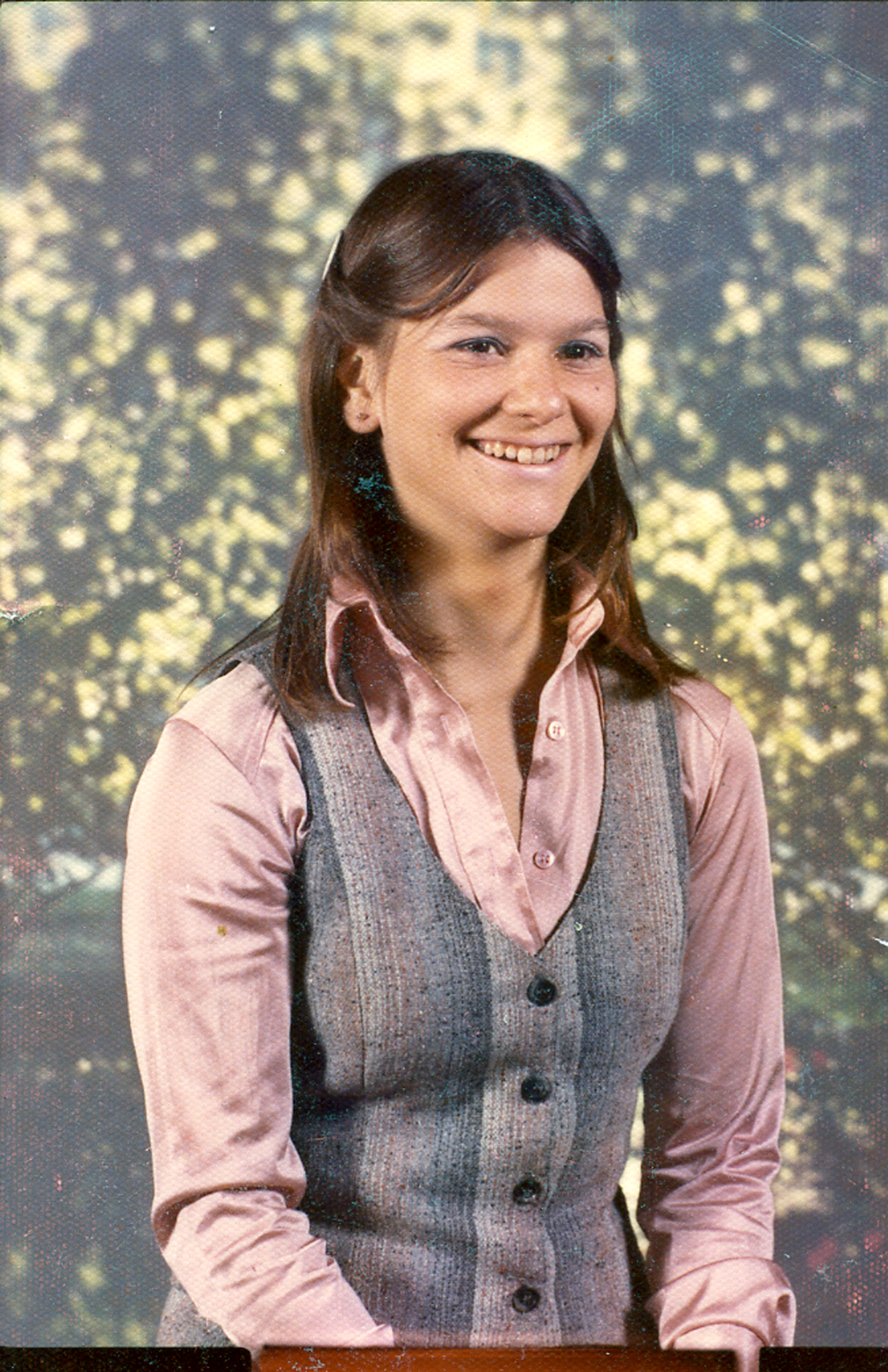
People still tell me I am the spitting image of my mother. It is the highest compliment, and yet it is both balm and ache. It affirms that her legacy lives in me, that I carry fragments of her wherever I go. And yet it reminds me, sharply, of what was lost. She never saw me fully, never reflected me back in the way a daughter hopes. To be called her mirror is both gift and wound, affirmation and grief entwined.
Permission To Go
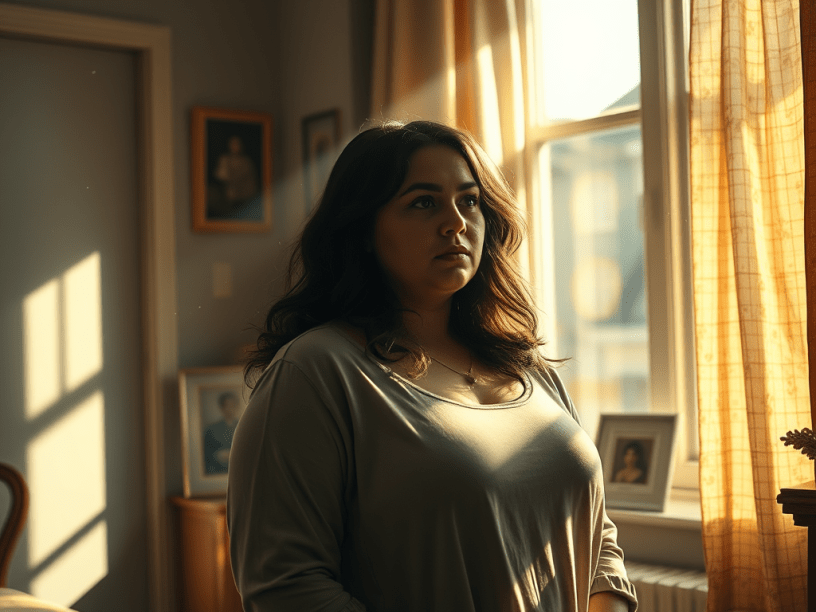
I often think of the morning she told me to go. The sun spilled into our living room, Coronation Street murmuring faintly in the background. I confessed my doubts, my dread, the quiet terror that she might not survive her illness. Cancer had already marked her body, already taken too much from our days together. When she told me to leave, to see the world, it felt almost like a rejection of my own doom—as if she were pushing back against the inevitability I could not yet name. Maybe she knew she would be okay. Maybe she was hiding fear beneath a steady voice, performing a strength she did not feel. I am willing to admit I am an unreliable narrator, but when I replay that morning, the weight of her words is unmistakable.
Her blessing was freeing, even if only briefly. Perhaps it excused me from witnessing her decline; perhaps it was the wisdom of a parent sacrificing her own happiness so I could find mine. I obeyed. I left. And in time, I would come to regret it.
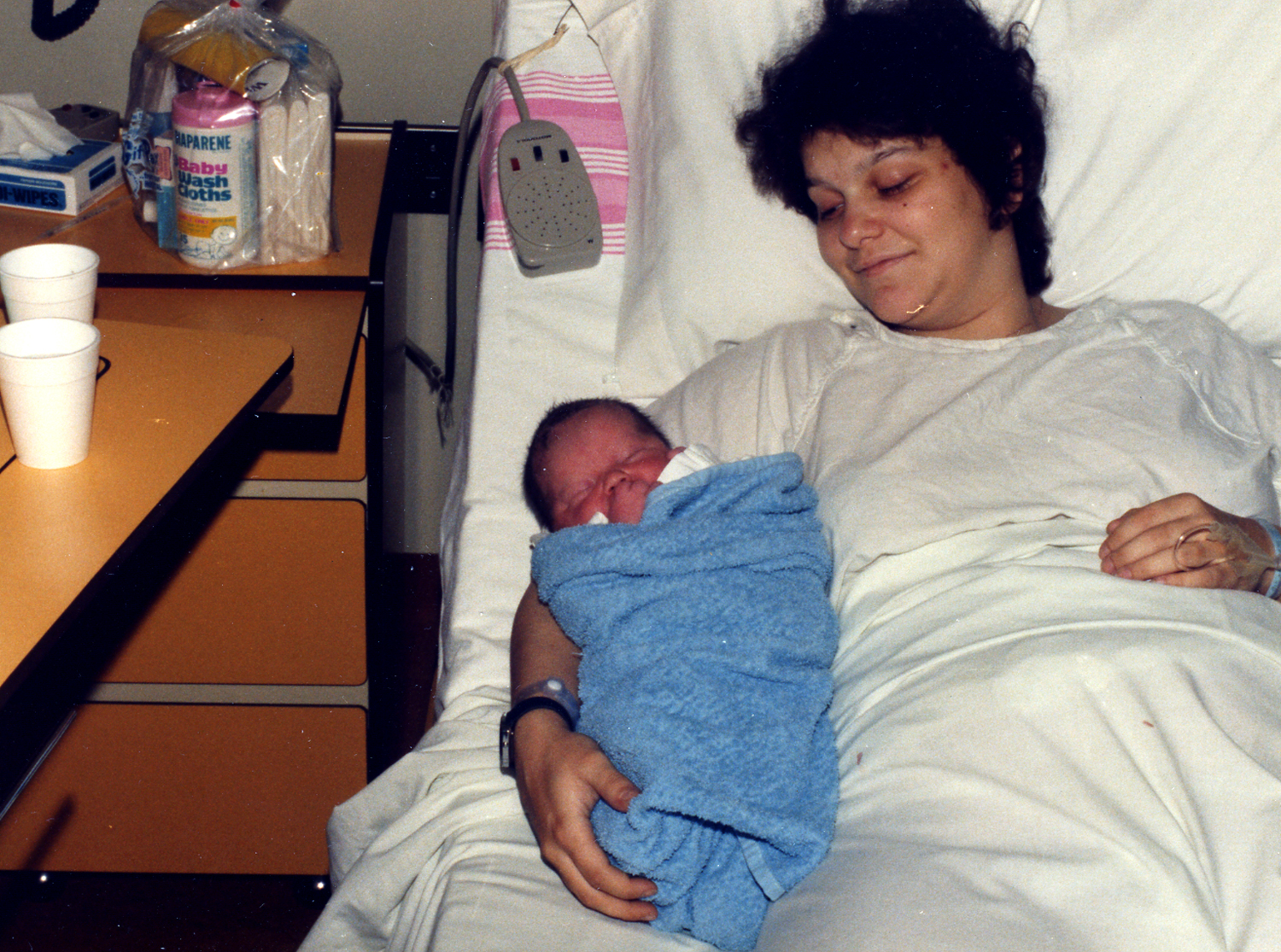
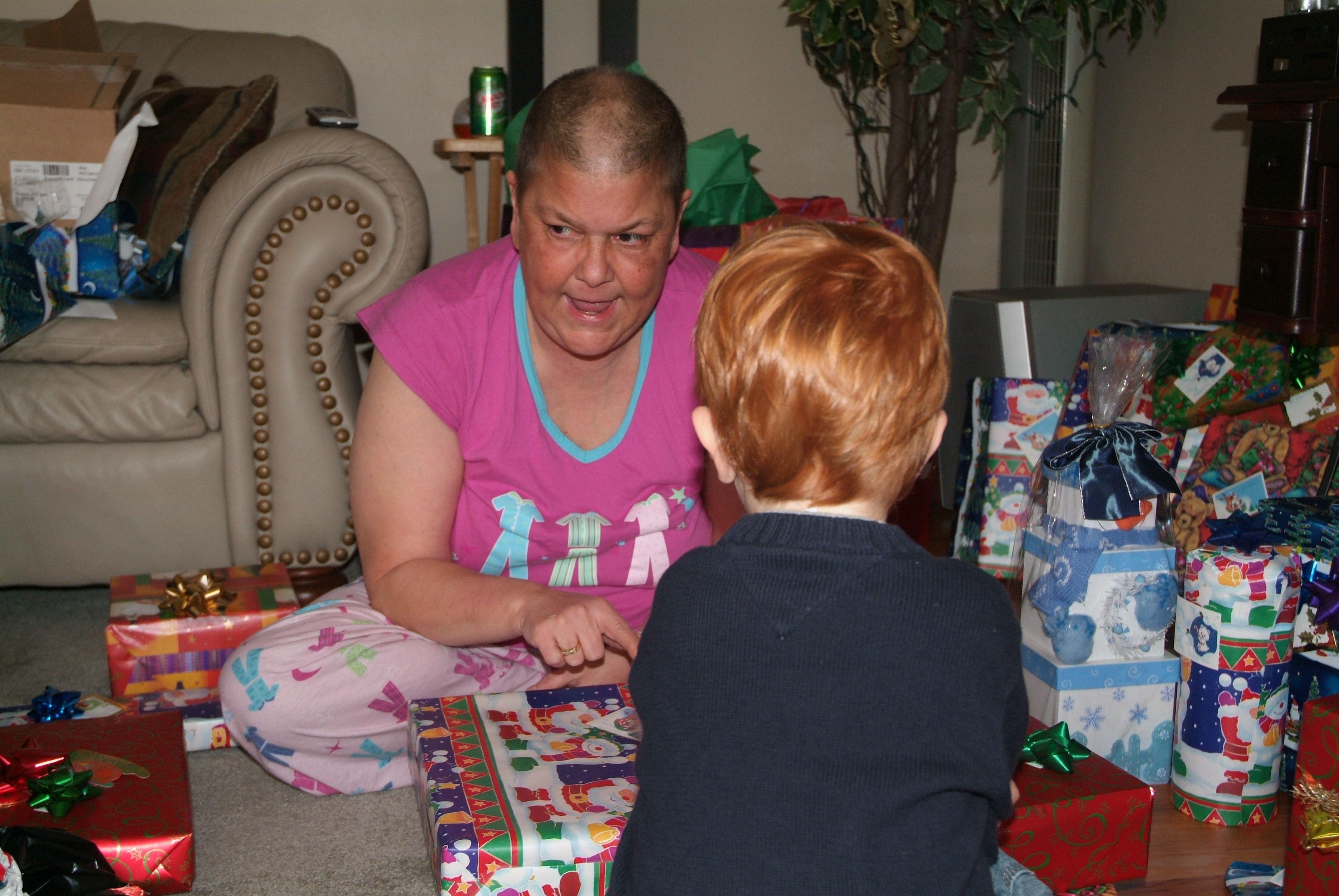
After that conversation, and after completing my final year in university, I spent fourteen months abroad before returning briefly to breathe the same air and see her smile again. I stayed in Canada only a short time, willfully obtuse to the looming reality of a mother losing a battle with elements of her own body that seemed to betray her. I caught up with family and friends, even slipped back into my old party haunts, before packing up once more. I had no idea it would be the last time I would see her outside of a hospital bed and under the gentle care of hospice. Less than a year later, while I was in Taiwan, a message from my father arrived, terse and urgent: Come home immediately. By the time I returned, the cancer had advanced beyond mercy. A few days later, shortly after carollers sang her favourite Christmas carols, Ann Bernice Hill passed away as twilight settled on a snowy winter evening in 2007.
The last real conversation we shared, before she slipped into a coma, was about the first season of Arrested Development. She admitted—half-smiling—that against her better judgment, it was growing on her. It wasn’t profound, or even memorable by most measures, but it was the last thing we ever spoke of. Out of all the words I should have said, all the questions I’ll never ask, it is sitcom banter that stands as our ending. That is the cruelty of it—the ordinariness that remains when everything else is gone.
Later, I learned something that has stayed with me ever since. As I waited in the car to leave for the airport, my mother whispered to my father, a quiet confession carried more by sorrow than by breath: that this would be the last time she would ever see me. Heartbroken, she gave words to the truth neither of us could face aloud.
Without her, I had to invent my womanhood entirely. My mirror was gone. I learned as any wanderer would—stumbling, borrowing fragments from friends, from strangers, from books, from fleeting reflections in shop windows. I became both daughter and mother in my own becoming, shaping myself from scraps of memory, instinct, and the faint echo of her legacy.
The Shadow of Grief
Grief continues to shape me today. I would like to say her absence softened me, made me more caring, more present—but that is not how others would describe me. In reality, it sharpened me. Except when I push for cooler heads in the family, the sadness and occasional anger sit quietly in the background, a constant hum beneath the surface, a reminder of what I lost and what I was forced to create in its place.
If identity is a map, mine is drawn in fragments: lines my mother sketched in love, borders my father drew in rigidity, and blank spaces I had to navigate alone. I became an orphan not in the literal sense, but in the more profound, haunting sense of being rudderless—adrift between the woman I longed to see in myself and the one the world insisted on. And yet, even now, I hear her voice from that sunlit living room: steady, certain, urging me forward. Not a mother shaping her daughter into who she thought she should be, but something rarer: a mother, at the end of her strength, trusting her child to find her own way.
Epilogue: Conversations Beyond Time
Though my mother never saw me fully as her daughter, our conversations often grazed the edges of who I believed I was becoming. In those years before her passing, I began to speak aloud the truths that had long lived in shadows. I had not yet settled on the name I now carry, but she listened as I tentatively explored my identity, as I tried, sometimes clumsily, to name myself in ways that felt right. She expressed doubt and concern, of course—her love never absent, her caution never far—but she was the first in my family to allow me to express myself as Sabrina, to recognize that this was not a phase, not a whim, but the essential shape of who I was.
Our conversations were not always easy, often punctuated by misunderstandings or hesitation, but they offered the sort of validation I craved from a parent, from someone I loved deeply. Those moments, fragile as they were, became quiet anchors in a stormy sea of uncertainty. I can only speculate now, more than a decade and a half after my transition, what she would think of the woman I have become. But in my heart, I know she would be proud.
Even in her absence, even in death, her voice lingers—steady, guiding, quietly urging me to inhabit my own life fully, without compromise, and without fear. It is a legacy that is not tethered to sight or presence, but to the enduring faith of a mother who, in her way, gave me permission to be wholly myself.
A Note of Gratitude
Thank you for walking with me through these memories, navigating the light and shadow of loss, legacy, and growth. Writing this has served as a quiet form of therapy, allowing me to untangle the threads of grief and reflect on the woman my mother helped me become—both in her presence and in her absence. In revisiting these moments, I have once again felt her beside me, guiding me with her steady, loving voice. Sharing this journey with you has been a healing experience, a way to honour her, and a reminder that love endures even across years, distance, and silence.


I DIDN’T PLAN TO BECOME A TEACHER: The Students Who Made Me Stay
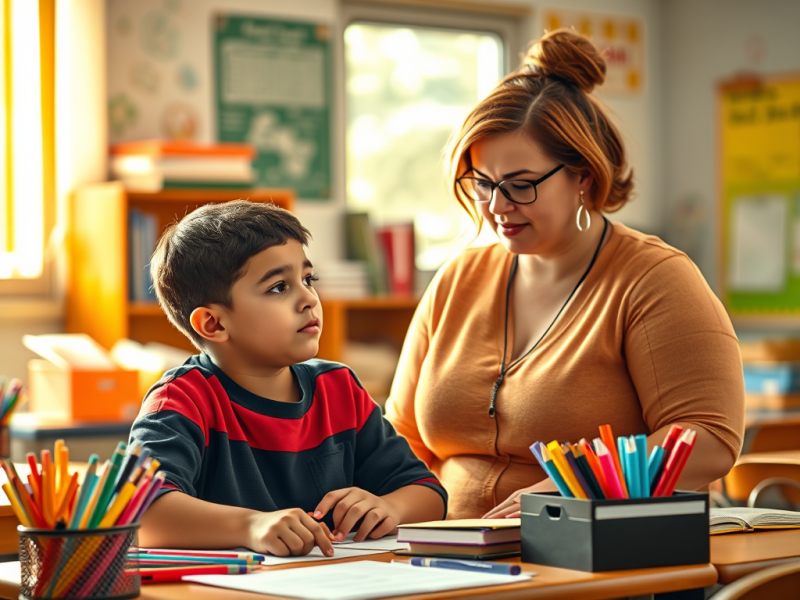
I didn’t become a teacher because I planned to. I became one because I stayed. Because I said yes often enough. Because students like Alex and Clare taught me that education is not merely academic—it is relational, fragile, and profoundly human.


RAISED BY PLACES UNSEEN: The Quiet Way Borneo Found Me
I arrived in Kota Kinabalu under a veil of night. The airport was modest, its walls carrying a patina of age that felt unexpectedly comforting. It didn’t strive to impress; it felt lived-in, a doorway used by generations of travellers before me.
PART 3 – NO PERMISSION NEEDED: What Was Once Shame Has Become Pride
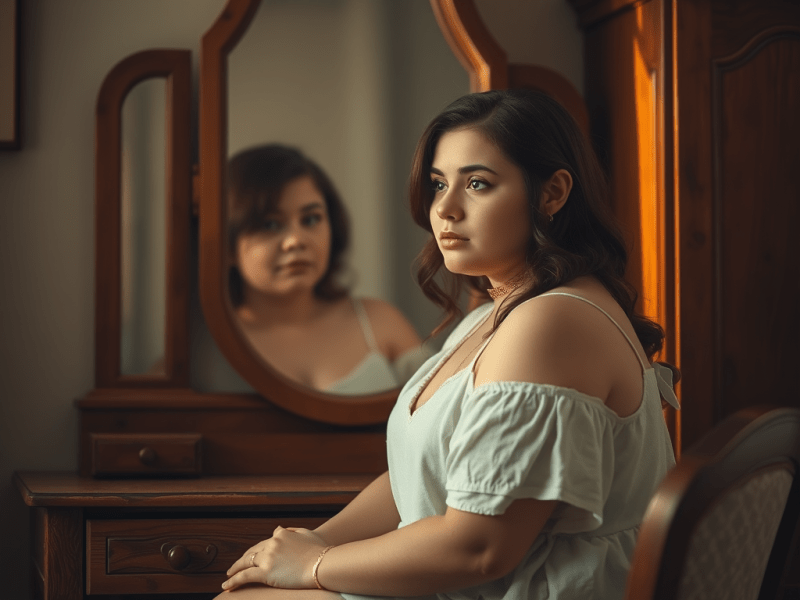
What began as innocent play, the joy of dressing up and pretending, soon curdled into confusion and punishment. My parents’ gentle corrections hardened into anger, their voices faltering with something more akin to unrelenting impatience. My pleas — small, wordless, desperate — were dismissed as misbehaviour. How could I have explained, at four or five…

PART 1 – UNFOLDING: A Trans Woman’s Search for Self and Sanctuary
In Canada, before I left, I moved through the world like a ghost—trapped in the wrong name, the wrong body, the wrong silence. In Korea, in this unexpected corner of Asia where cities shed memory as quickly as the seasons change, I found a stillness that held me. Through my camera lens, through hours of…
 Sabrina Constance