Initially, my plan coming out of university was to travel to Japan for a year and do that clichéd thing of wandering far-off lands. But rather than flirting with the kind of wilful homelessness that only travellers of means can afford, I intended to fund my exotic adventure by working at a Japanese language academy.
Before committing to a move of that magnitude, though, I wanted to see how I might handle being at the head of a classroom—especially given my mixed experiences with teachers and schooling.
I wasn’t a strong student growing up. My aptitude in the classroom leaned far more toward shenanigans than social studies. I wondered what would happen if I were faced with a student like me—someone who excelled at distraction—or a student like my brother, whose school years were punctuated by suspensions and explosive moments. Could I handle those archetypal classroom characters? Could I handle myself?
As my plans began to coalesce around this Japanese venture, I decided to dip a toe into the art and science of education by volunteering at a local elementary school. Long before educational assistants became commonplace in public schools, I slipped into that role. By chance or good fortune, the school was just around the corner from the off-campus housing where I was living during my fifth and final year of university.
The school was called Monsignor Clancy. It no longer exists in the way it did twenty years ago. After a few facelifts and a couple of name changes, it is largely unrecognizable—at least from the outside.
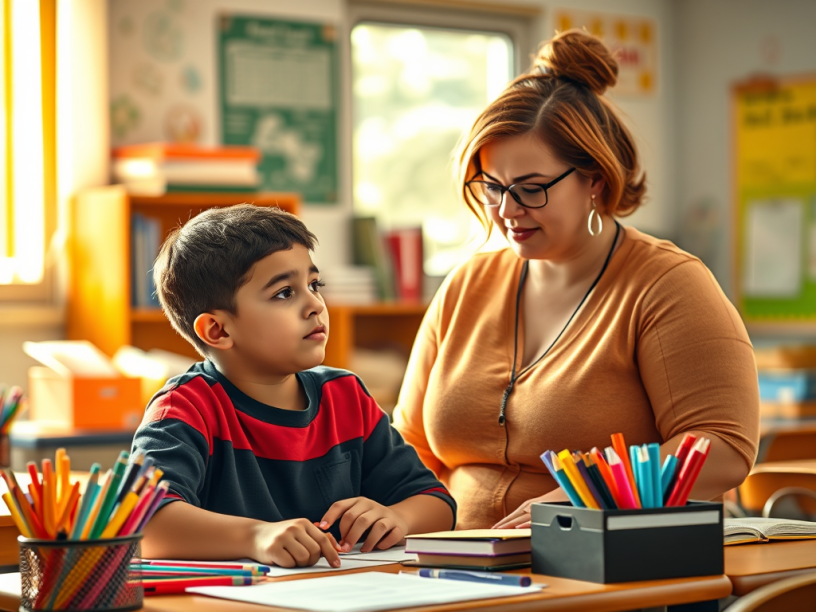
I was placed in a Grade 5 classroom. For the first few weeks of the school year, I helped wherever I was needed, assisting students on the fly. It wasn’t long before the teacher I was assigned to—Jennifer, not her real name—asked me to work specifically with one student. I’ll call him Alex.
Alex had two younger siblings, a mother with terminal cancer, and a father doing his best to hold a collapsing household together. Alex’s father was failing. Or perhaps failing is the wrong word—he was overwhelmed.
Alex had been absent from school more often than he had been present that year, and much of the year before. His father believed that time with his mother mattered more than hours spent in a classroom. I can’t blame him. I might have made the same choice. At the time, my own mother was several years into a battle with cancer, and that shared, unspoken reality allowed Alex and me to form a quiet bond.
Because of his long absences, Alex was reading, writing, and working at roughly a Grade 3 level while his peers pushed through the demands of Grade 5. For the few hours each week that I spent in Jennifer’s classroom, I worked with Alex on math—despite my own distaste for that particularly cruel science.
As the year went on and Alex’s mother continued to lose her fight with cancer, his presence at school slowly increased. Some months, on the one or two days a week I was at Monsignor Clancy, I wouldn’t see him at all. Near the end of the year, as I prepared to graduate from university and the students prepared for summer break, I learned that Alex’s mother had passed away—and that Alex would be required to repeat Grade 5. It felt like a particularly cruel sentence for a grieving child.
That year, working with Alex and Jennifer’s class, I learned something unexpected: I didn’t mind teaching. Though, in fairness, I was more tutor than teacher. I didn’t write lesson plans. I didn’t manage the classroom with any real authority. I couldn’t have told you what the curriculum was. But I learned that I could manage a class, explain ideas to young learners, and—importantly—I didn’t hate it.
I was off to Japan.
Wait. No. That didn’t happen.
Three weeks before I was scheduled to board a plane to Tokyo, I called the academy that had hired me, politely declined their offer, and returned the ticket. I had just accepted a position at a public school in South Korea.
To me, the difference between Japan and Korea felt negligible, but working for the Korean government sounded far more stable than working for a private, for-profit academy in Japan. A few months later, I read that the Japanese academy I had declined declared bankruptcy and hadn’t paid its “teachers” for weeks, if not months, leading up to its collapse. I made the right choice.
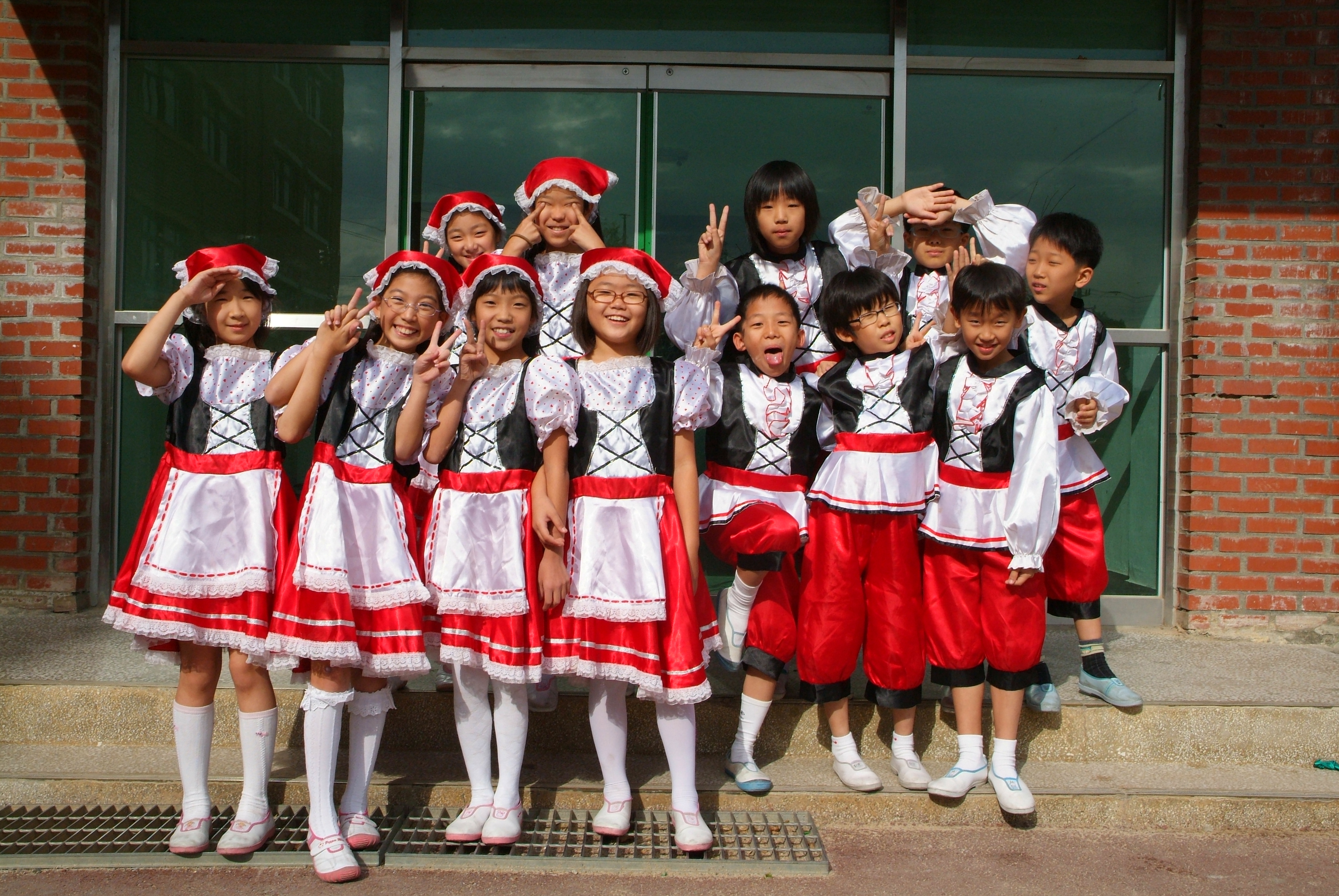
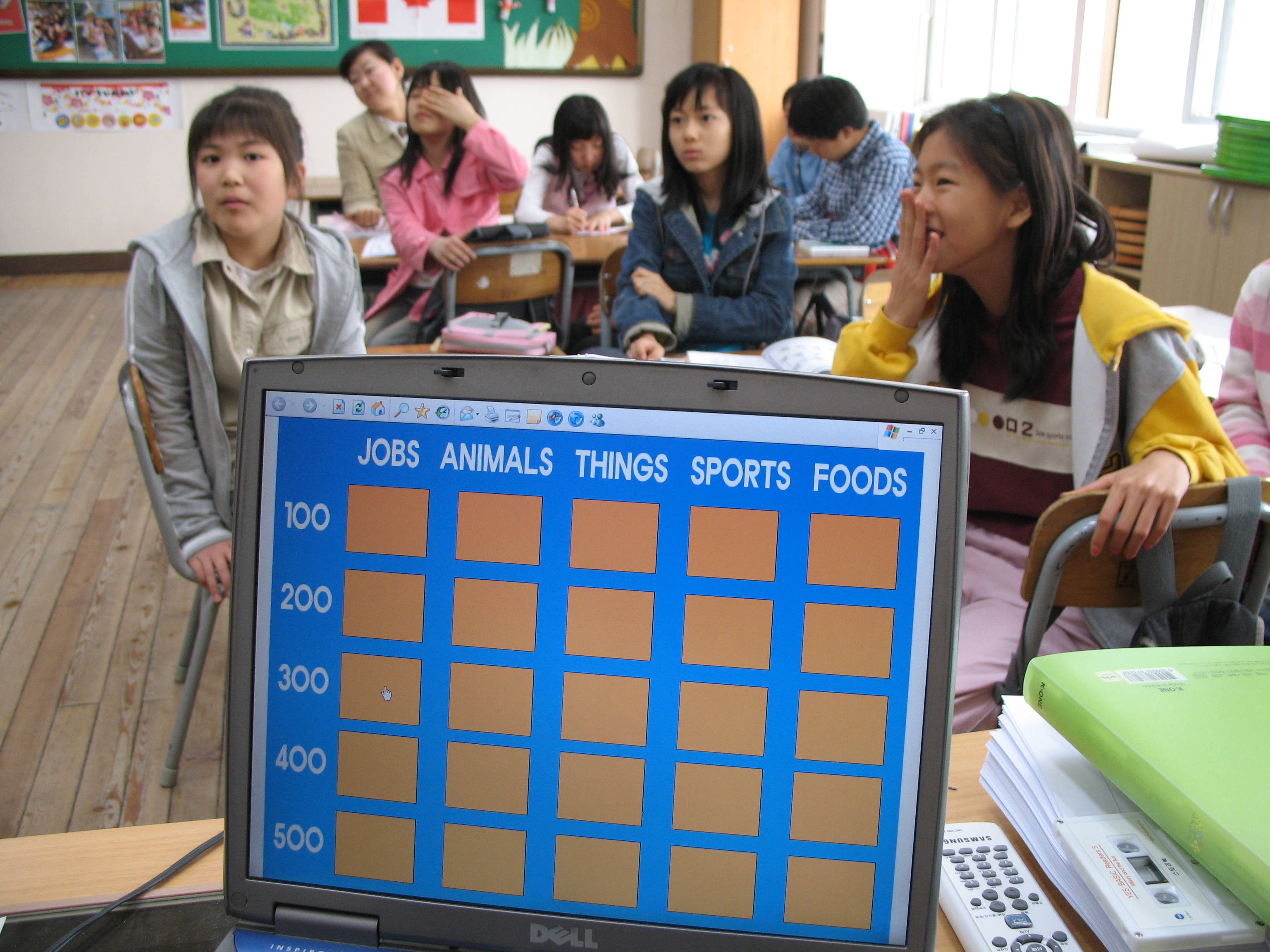
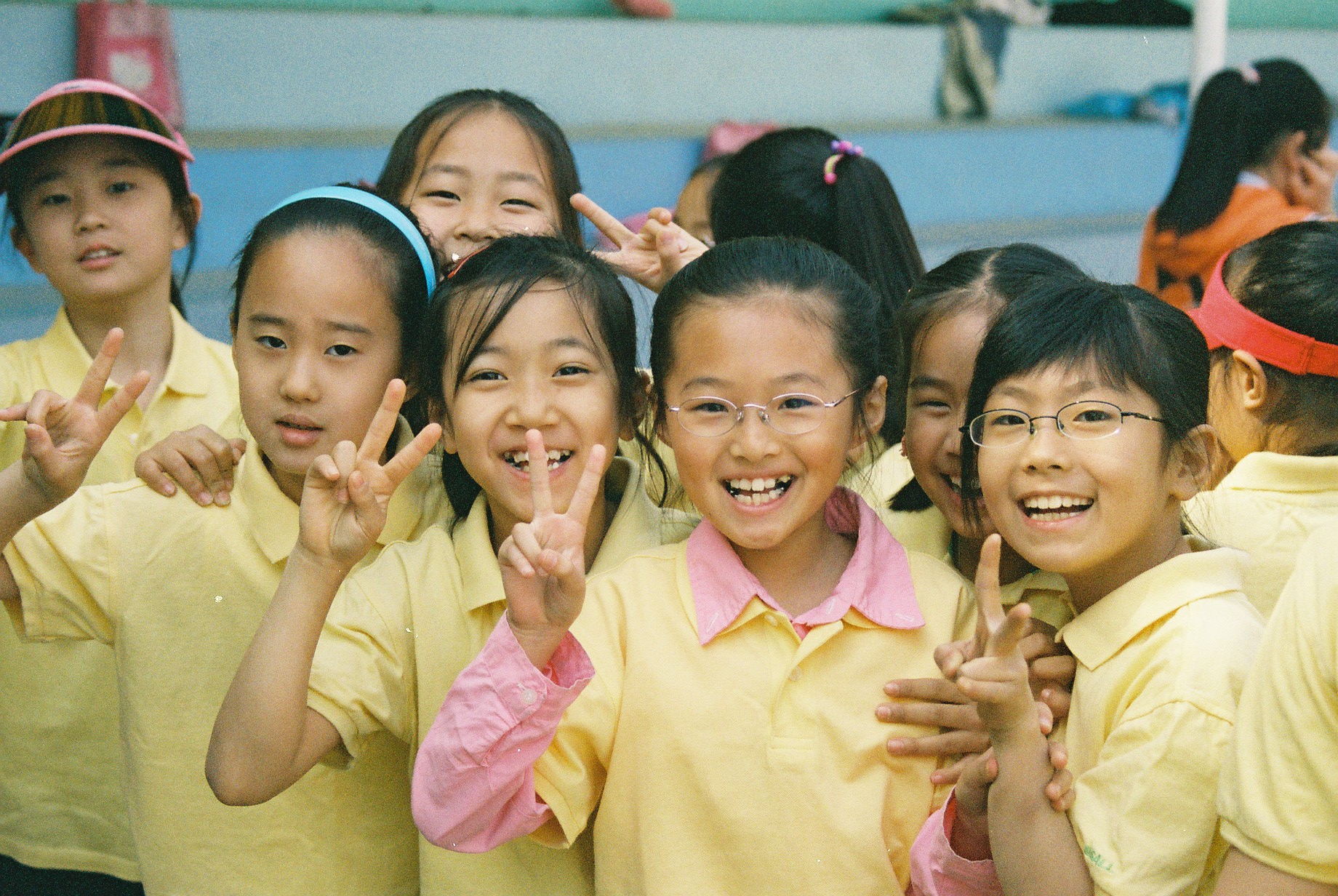
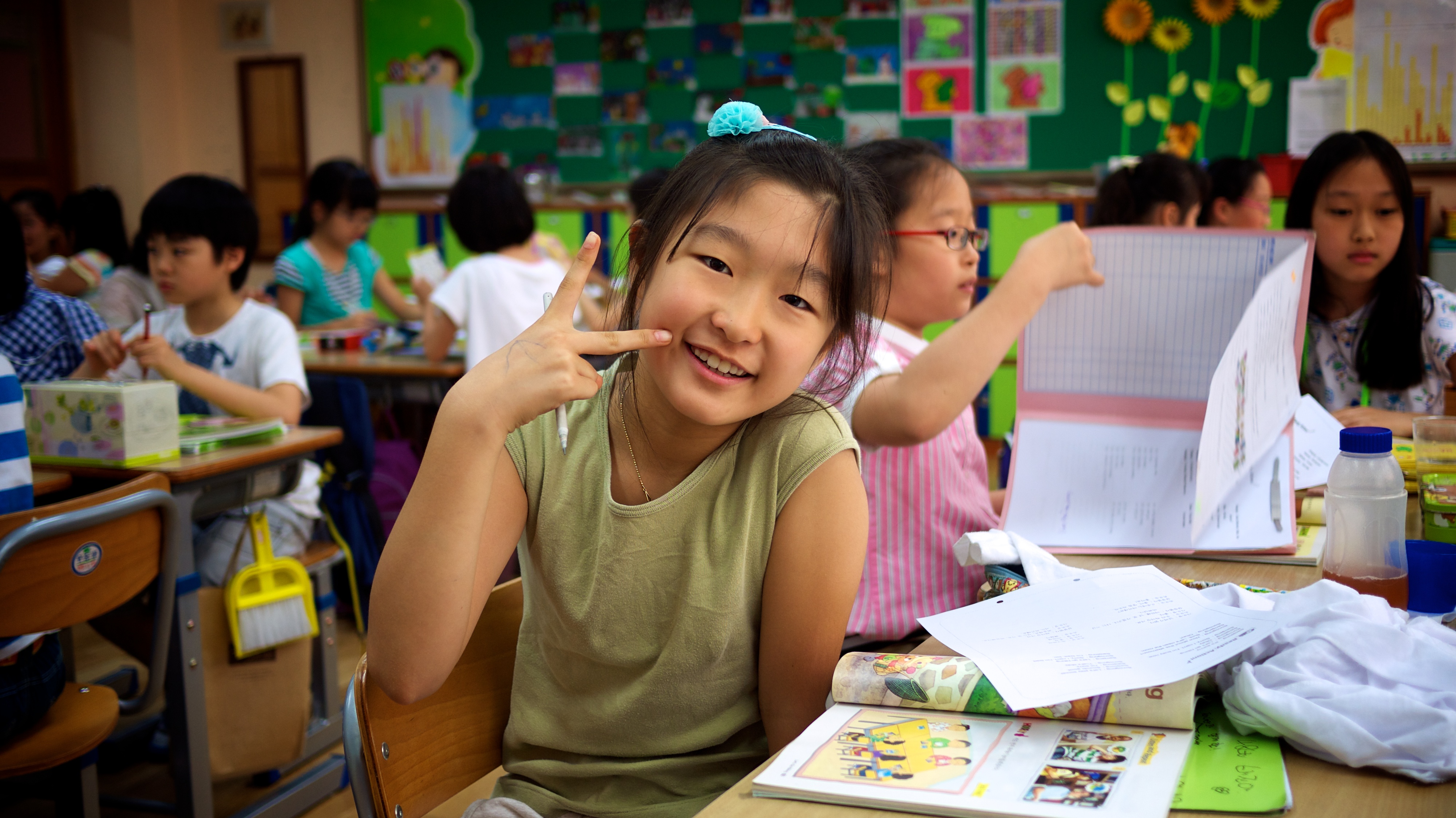
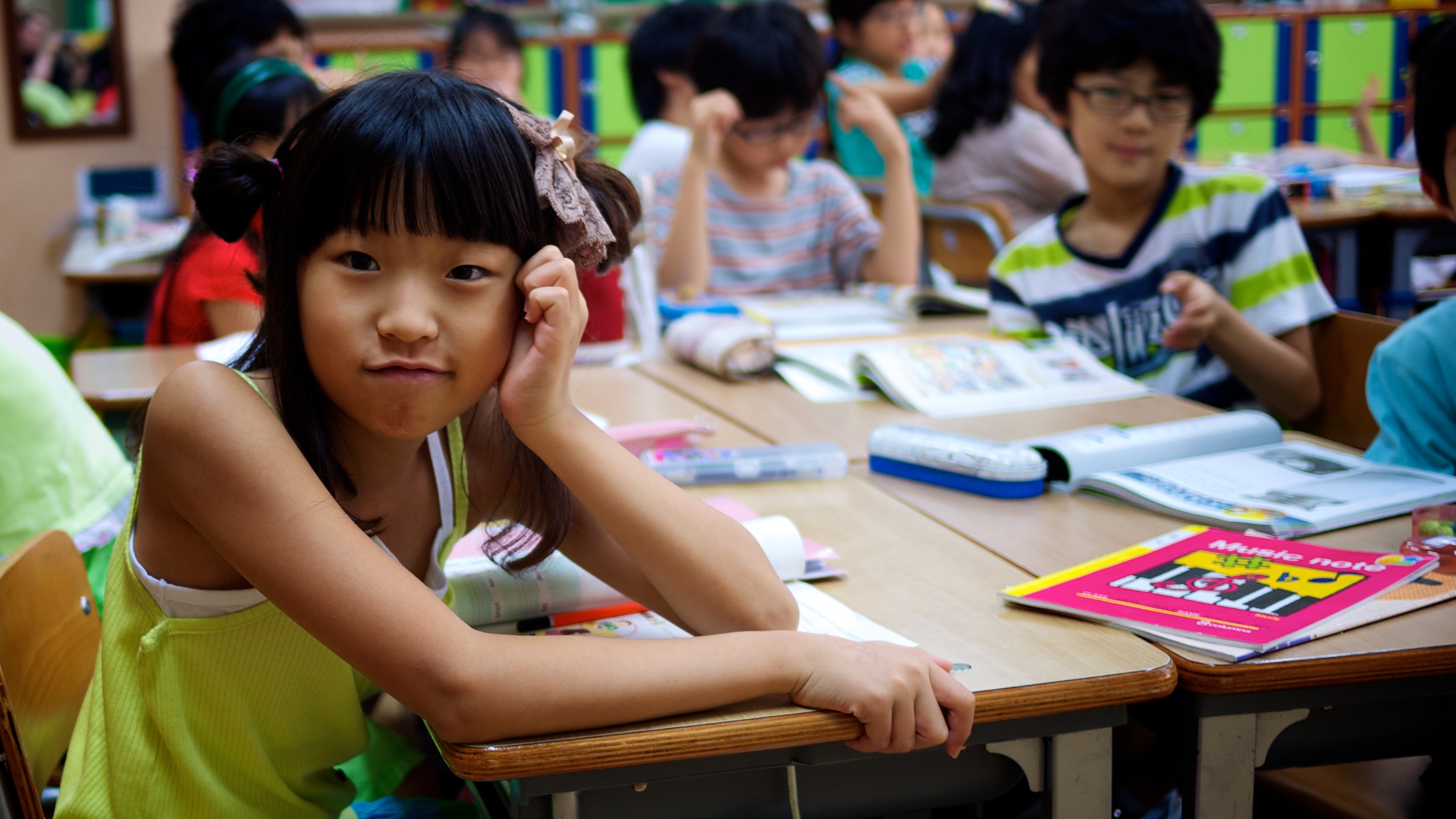
What was meant to be one year in South Korea stretched into more than thirteen. Over that time, I taught every level imaginable—from primary school to university—and in nearly every context possible. But before I could comfortably claim the title of “teacher,” I had work to do. I held a degree in political science, not education. I knew constitutional law, public administration, and public policy—but none of that helped me teach gerunds and superlatives to nine-year-olds in Siheung, Gyeonggi-do.
So I studied. I faked it until I made it, but with a humility appropriate for someone new to the profession in a foreign land.
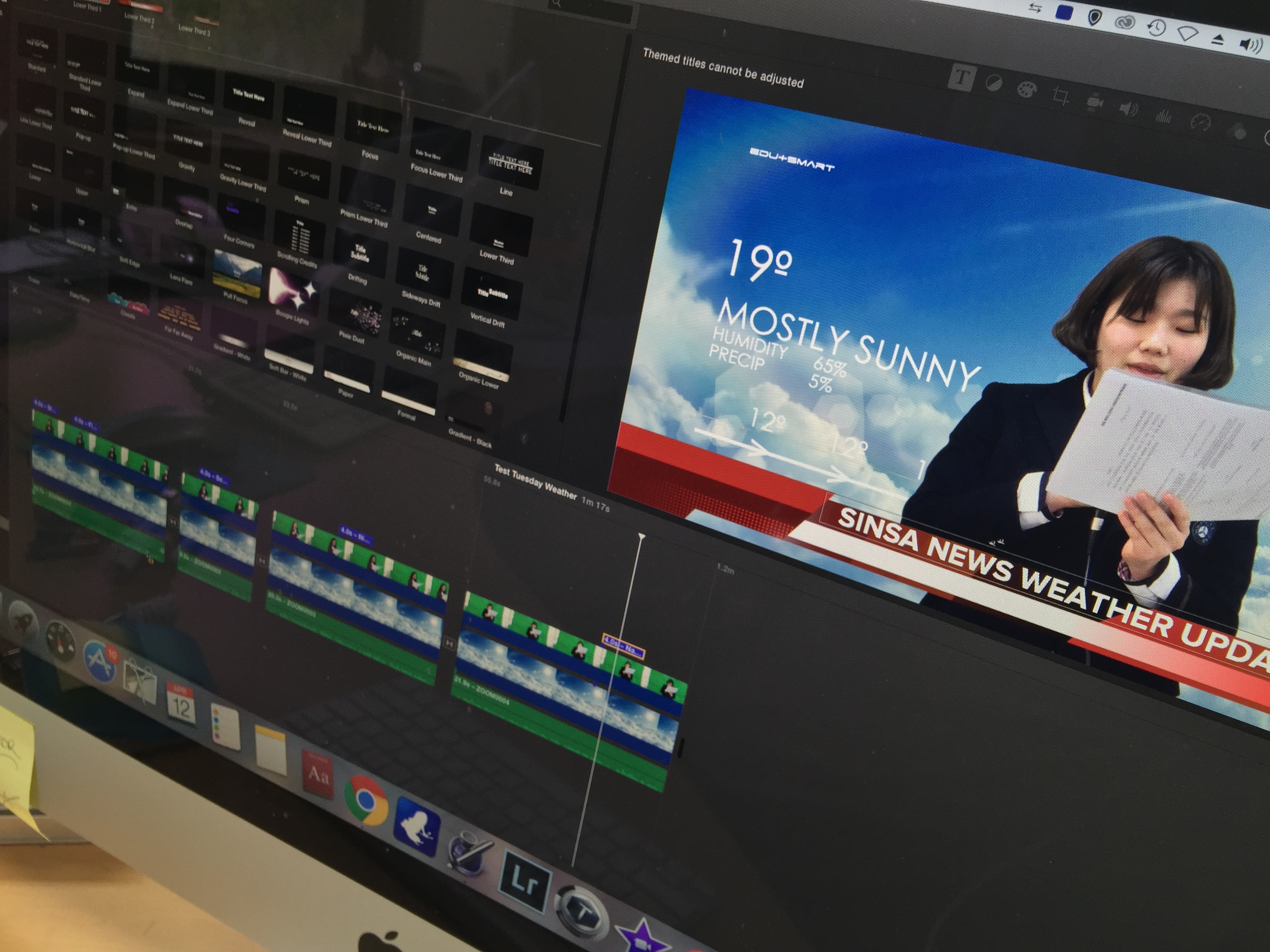
When sufficiently motivated, I am something of an autodidact. With the help of generous colleagues and whatever the early internet could provide, I absorbed everything I could about the principles of education. Through trial and error, reflection, observation, and an embarrassing number of late nights, I became a solid B-teacher. I wasn’t the best, but I built strong lesson plans, designed some of the best materials in my city—and likely beyond—and eventually led workshops teaching other teachers how to teach. While classroom management sometimes challenged me, I excelled at preparation and open-education resource design.
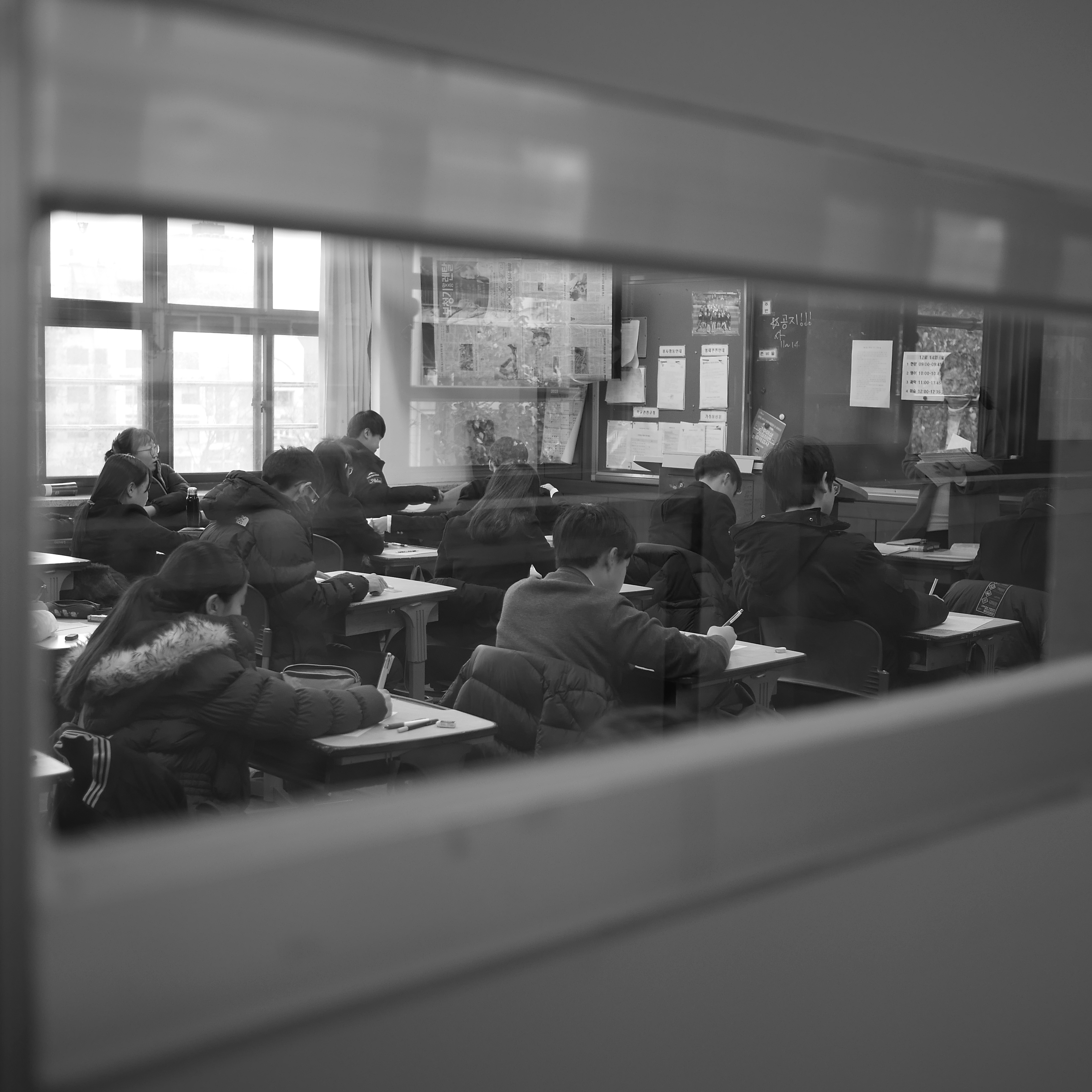
Over the years, I taught in small villages and megacities, in struggling factory towns written off by the system, and in two of the top public schools in the country. I saw it all. And like any imperfect parent, I had my favourites: favourite schools, favourite classes, and students whose impact lingered long after the final bell.
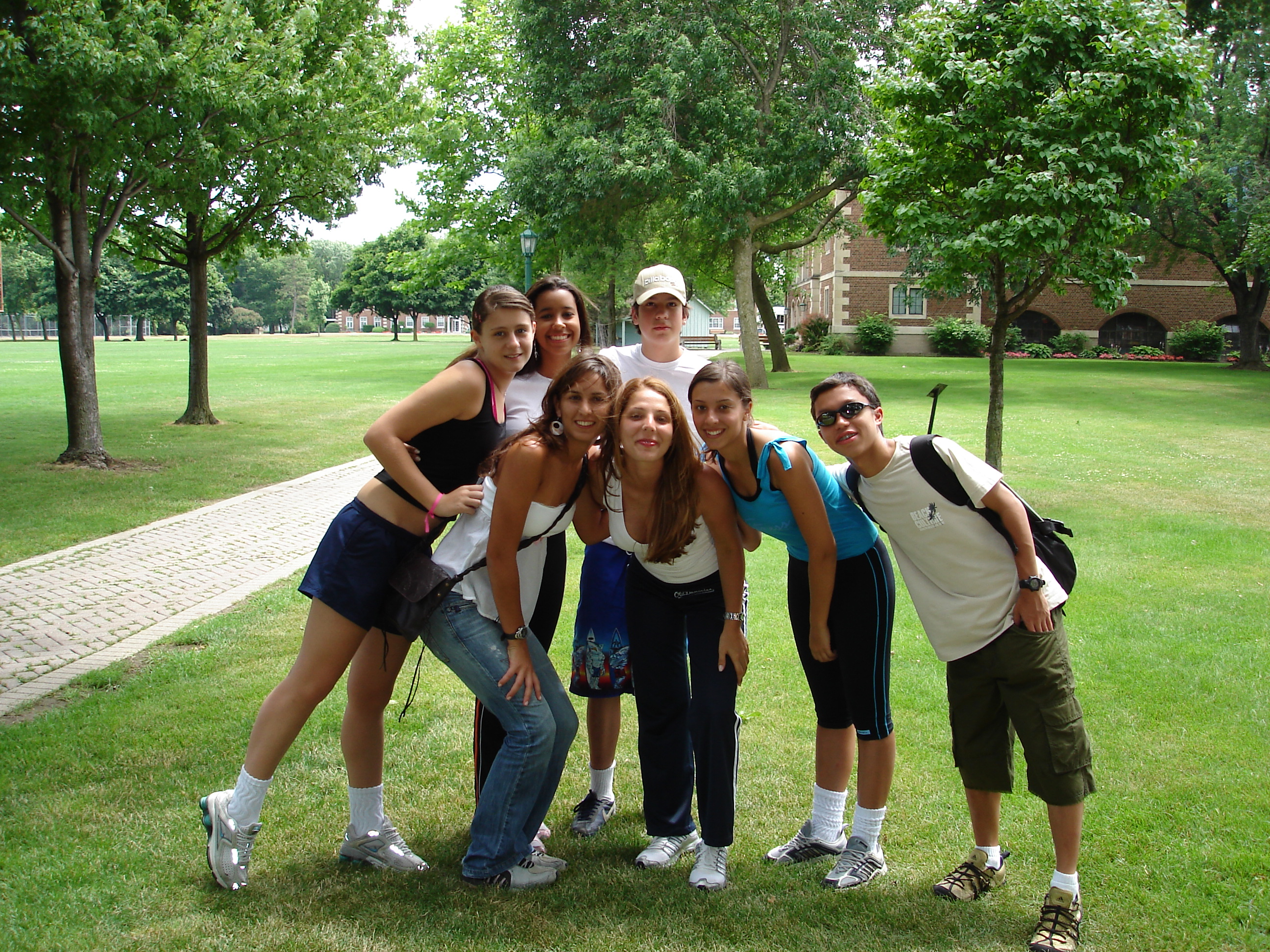
One of them was Clare—her real name—a student I briefly taught during a summer program at Ridley College in St. Catharines, between Monsignor Clancy and South Korea. Her energy was electric. In a short time, she left an impression on every teacher who met her. We all sensed she was going to leave her mark on the world.
Though born and raised in Texas, Clare arrived from Brazil, where her family lived while her father ran the South American division of a massive tech company. Her English was flawless, tinged with the faintest Texas drawl. Still, because she was listed as a foreign student, I exaggerated my speech and pantomimed carefully while asking—far too slowly—whether she could understand me as we picked her up from the airport. She humoured me, graciously.
After the program ended, Clare returned to her private school in São Paulo, and I moved to Korea. About seven months later, while still adjusting to life in a small Korean town, I learned that Clare and several of her friends had been killed in a car accident. The SUV they were riding in veered off the road and into a body of water. No one survived.
This was the first student I lost.
I had felt sadness when Alex’s mother died, but this was different—sharper, heavier. Clare’s light, her buoyant energy, was simply gone. All the promise we had imagined for her was violently erased. Sadly, she would not be the last student I would lose, but she was the first—and the hardest.
Teaching, it turns out, is not a profession insulated from grief. You are invited into the unfinished lives of young people, and sometimes—through no fault of your own—you are made to witness how abruptly those lives can end. It is a quiet risk teachers carry, one rarely named.
And yet.
What kept me in classrooms—what keeps me grateful even now—was not resilience, duty, or the steady paycheque of a government contract abroad. It was the joy. The unmistakable moment when a student realizes that a new language is not just vocabulary or grammar, but a key. A door. A widening of the world.
I watched students step into English the way explorers step onto unfamiliar ground: tentative at first, then bolder, laughing at mistakes, astonished by how much they could suddenly reach. Language gave them access—to music, to films, to people they never imagined they could speak to. It gave them agency. It gave them voice.
That joy was never abstract. It lived in classrooms in factory towns and rural villages, in elite institutions and overlooked schools. It lived in imperfect lessons, carefully prepared materials, and the growing realization that teaching is less about mastery than invitation.
I didn’t become a teacher because I planned to. I became one because I stayed. Because I said yes often enough. Because students like Alex and Clare taught me that education is not merely academic—it is relational, fragile, and profoundly human.
Even now, long after I’ve left those classrooms, I still carry what teaching gave me: patience, preparation, and the ability to meet people where they are and help them cross into something new. For that—and for the students who trusted me with small pieces of their lives—I remain deeply thankful.

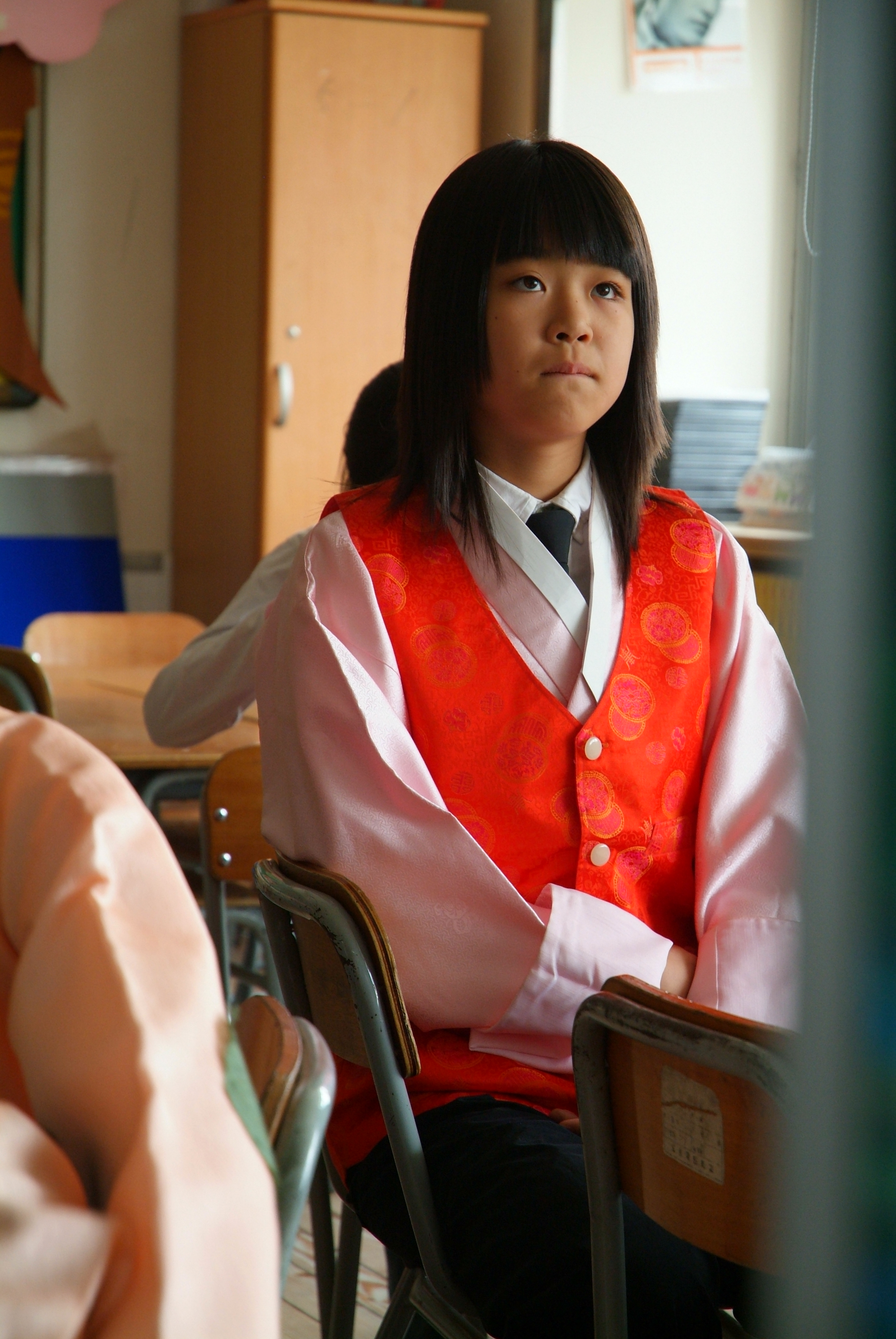
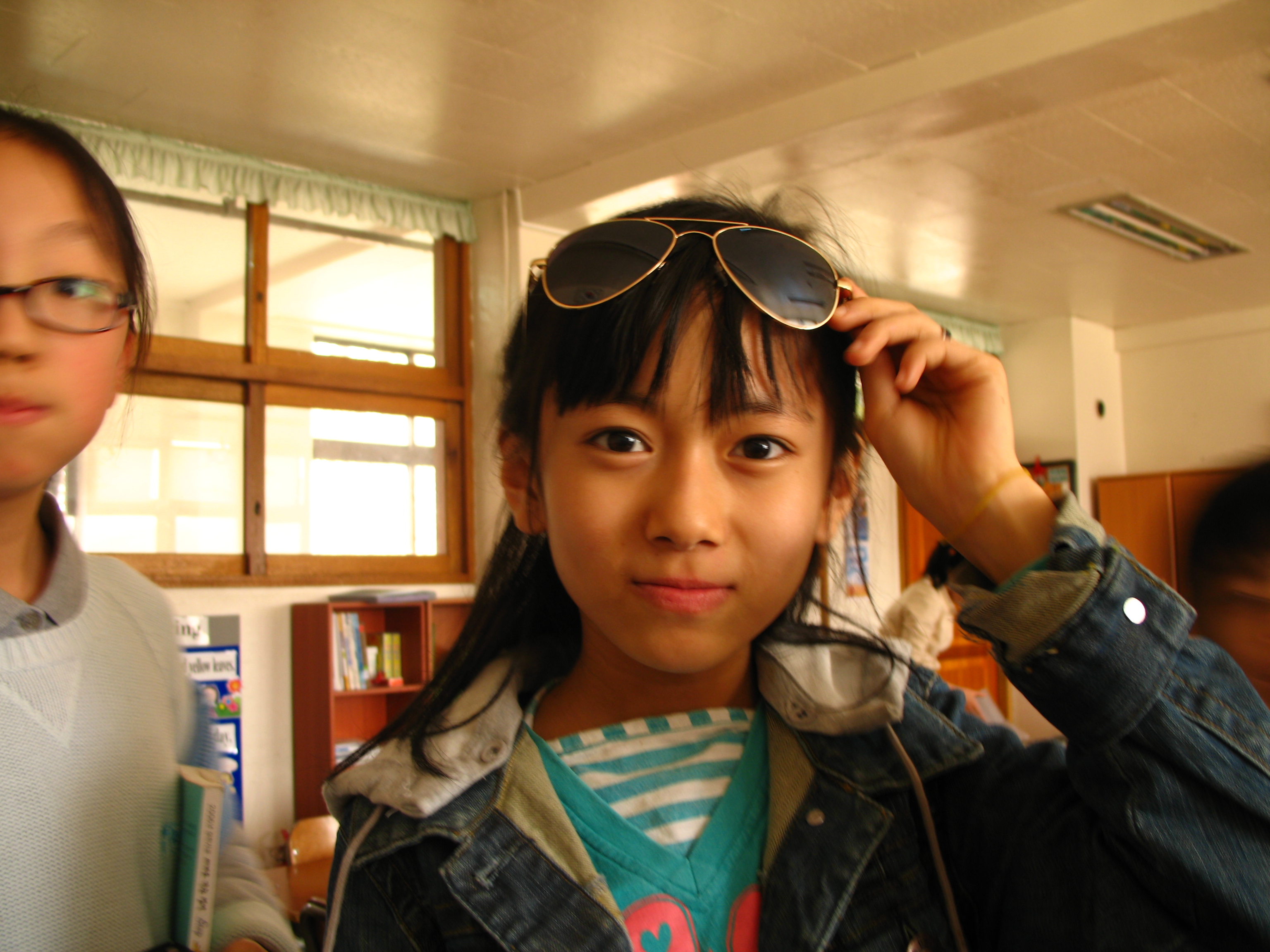
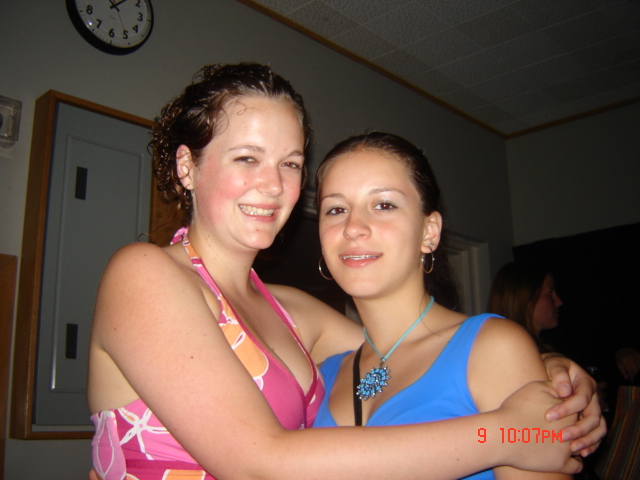
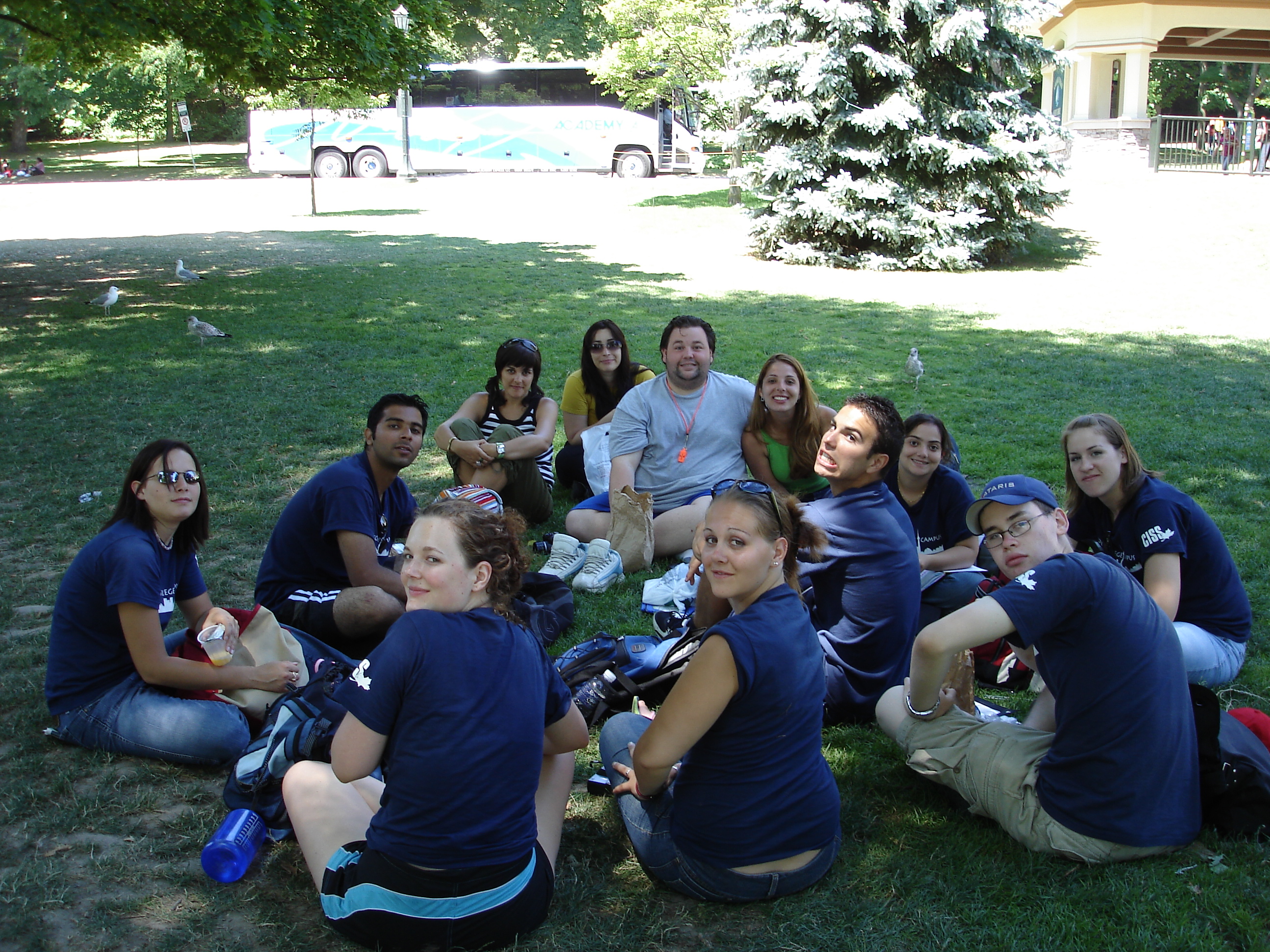
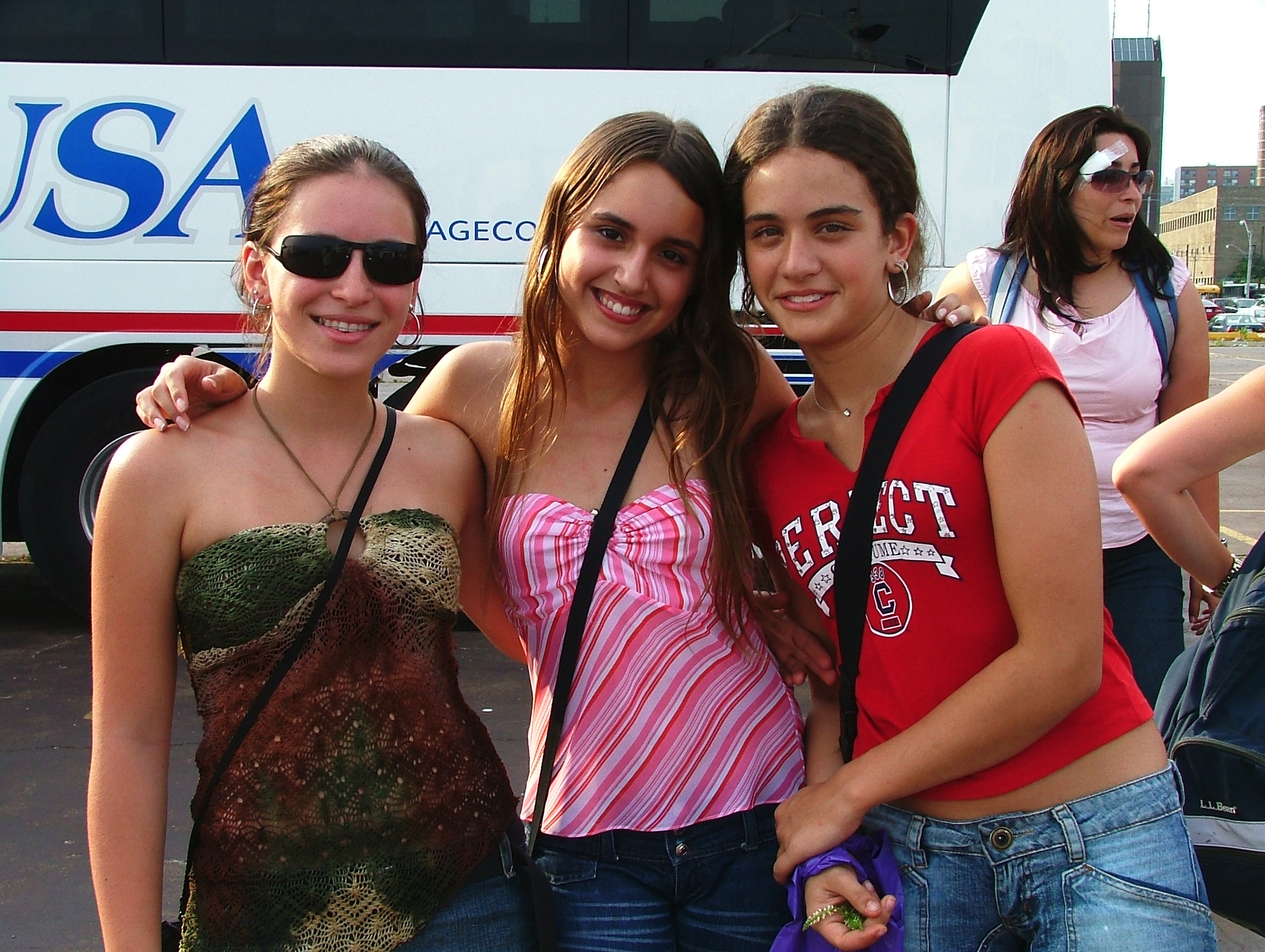
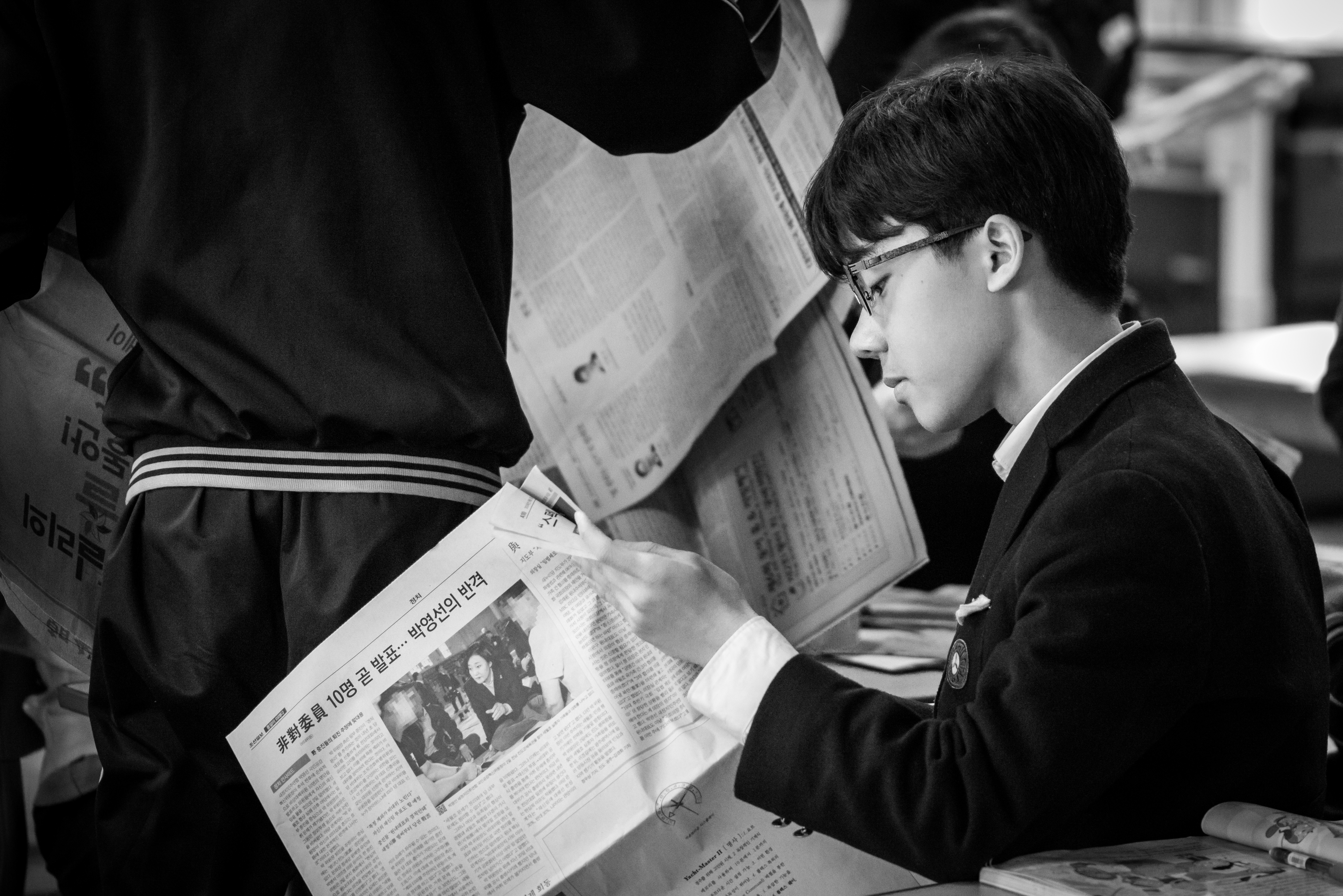
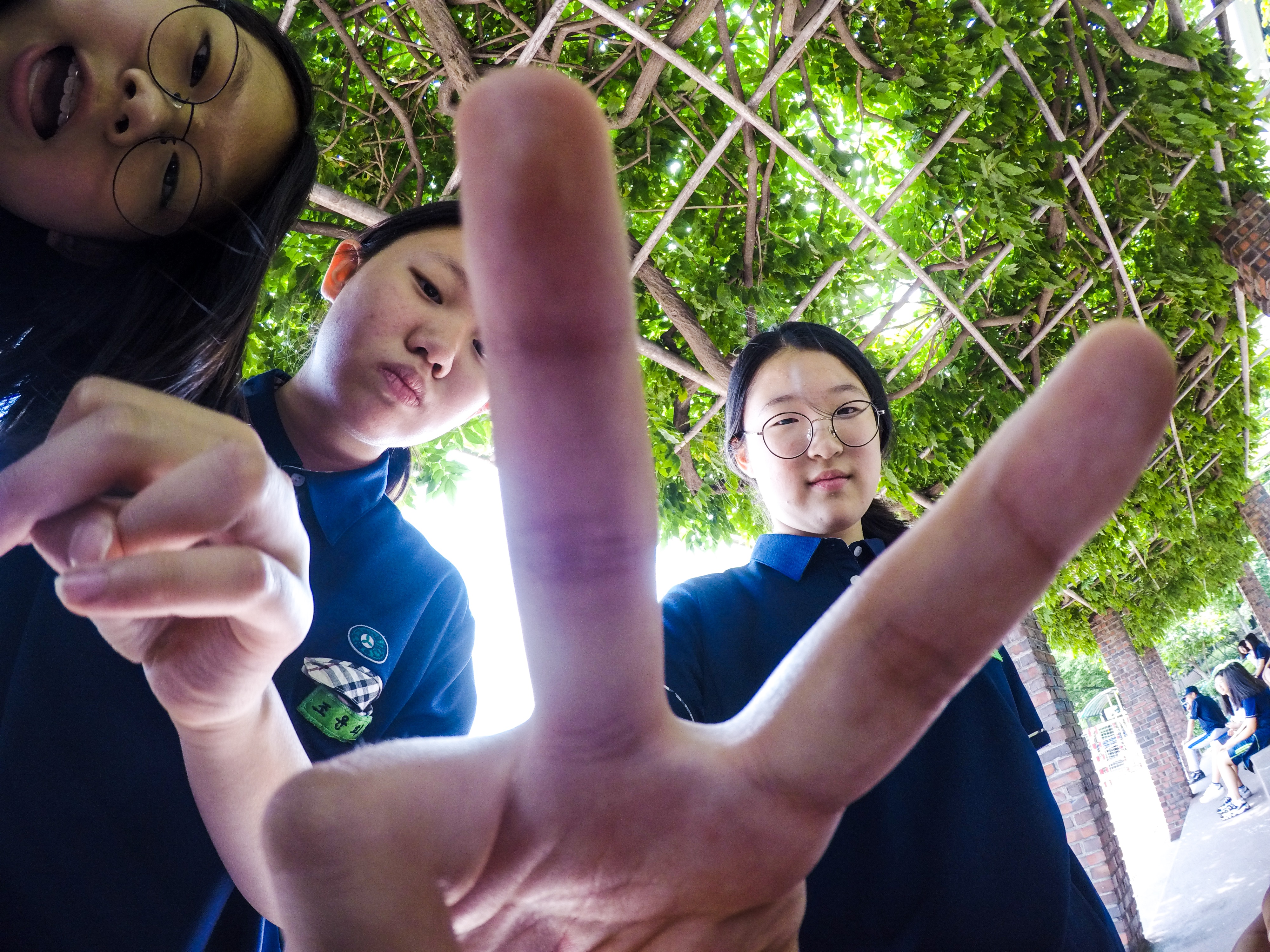
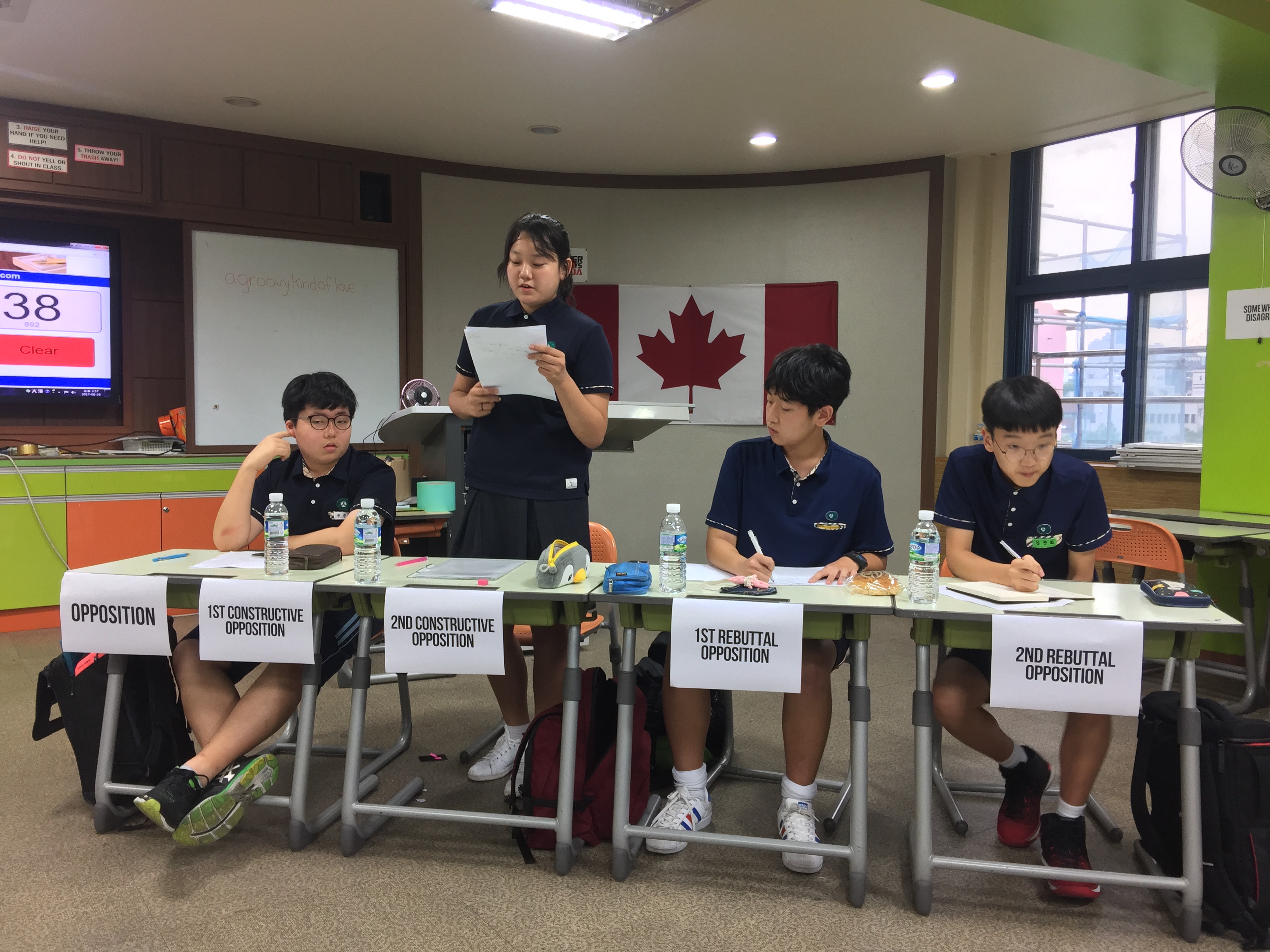
While writing this short vignette, I revisited photographs I hadn’t looked at in years, and in doing so, unearthed a constellation of good memories—ones tucked away so gently, so deeply, I had forgotten they were still waiting for me.


RAISED BY PLACES UNSEEN: The Quiet Way Borneo Found Me
I arrived in Kota Kinabalu under a veil of night. The airport was modest, its walls carrying a patina of age that felt unexpectedly comforting. It didn’t strive to impress; it felt lived-in, a doorway used by generations of travellers before me.


PART 3 – NO PERMISSION NEEDED: What Was Once Shame Has Become Pride
What began as innocent play, the joy of dressing up and pretending, soon curdled into confusion and punishment. My parents’ gentle corrections hardened into anger, their voices faltering with something more akin to unrelenting impatience. My pleas — small, wordless, desperate — were dismissed as misbehaviour. How could I have explained, at four or five…
PART 2 – SHAPE OF BECOMING: Grief, Legacy, and Inheriting Her Echo
Grief is a complex journey, shaping identity through loss and memory. Sabrina reflects on her relationship with her mother, navigating absence, longing, and legacy. While struggling to inherit her traits, they ultimately find strength and validation in her mother’s enduring voice, guiding them towards self-acceptance and growth.

PART 1 – UNFOLDING: A Trans Woman’s Search for Self and Sanctuary
In Canada, before I left, I moved through the world like a ghost—trapped in the wrong name, the wrong body, the wrong silence. In Korea, in this unexpected corner of Asia where cities shed memory as quickly as the seasons change, I found a stillness that held me. Through my camera lens, through hours of…

LIFE LESSONS FROM ANTHONY BOURDAIN: Embrace Every Moment
Anthony Bourdain’s life and tragic death inspired countless individuals to embrace life’s journey, encouraging exploration and community while highlighting the irony of his personal struggle with despair and isolation.
 Sabrina Constance