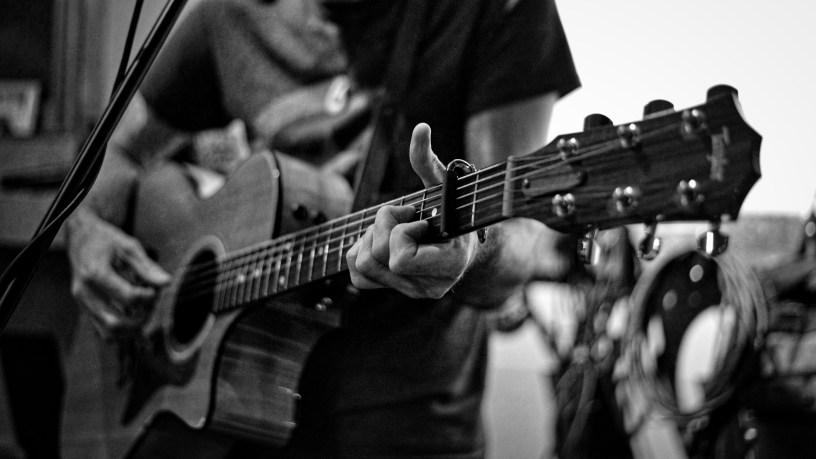
When I decide to accept a client for an editorial or documentary-style project, I always begin by trying to single out their passion—what they care about, what pulls them forward in the world. Simply taking someone’s photo can be done by a robot at Walmart. That isn’t the work. The work is attention.
If I can identify their devotion—their love—there’s a far greater chance the image will connect with an audience. Even if the viewer doesn’t share the same interests, people recognize skill, intent, love, and drive when they see it. Those elements are universal. They exist beneath language, beneath culture. They register instinctively.
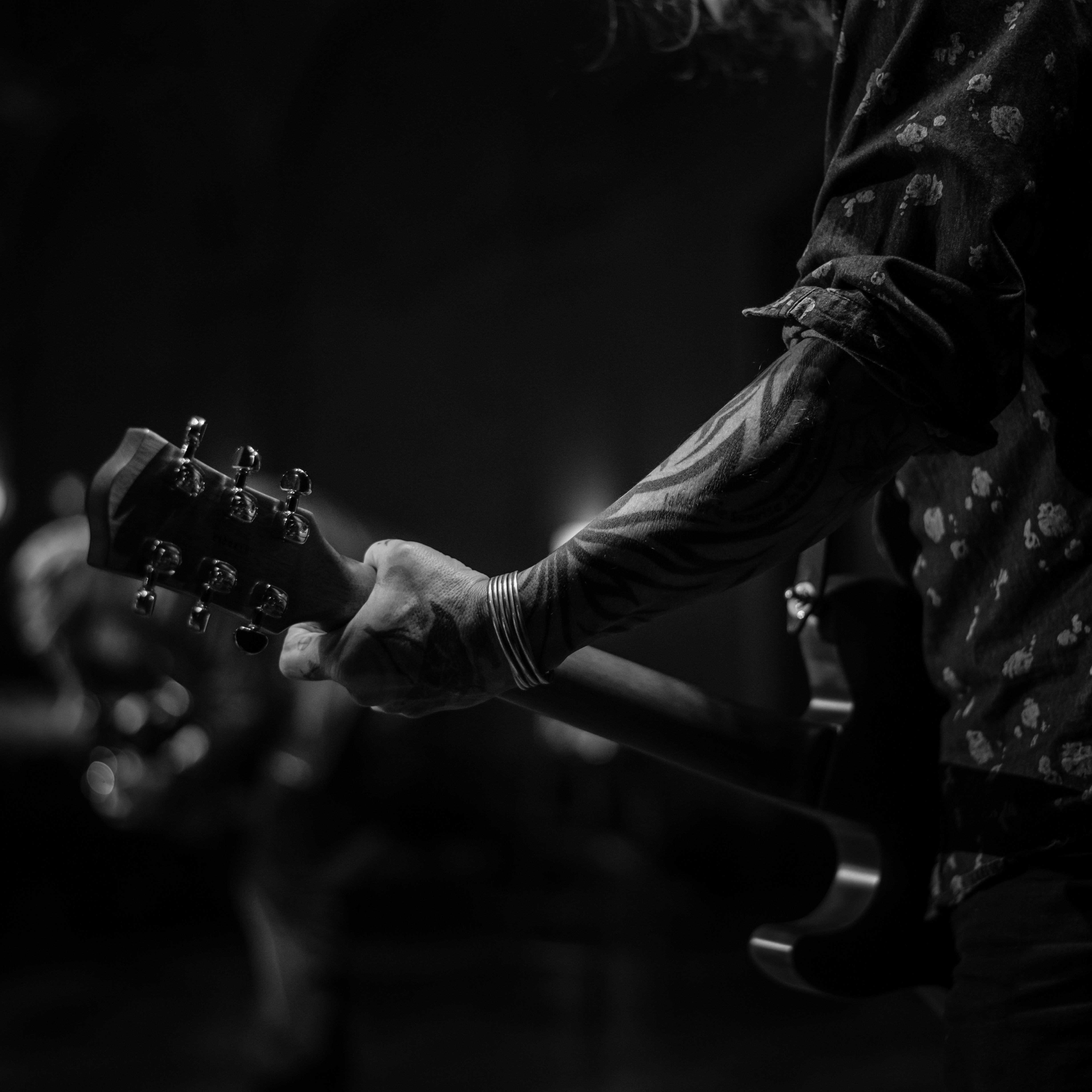
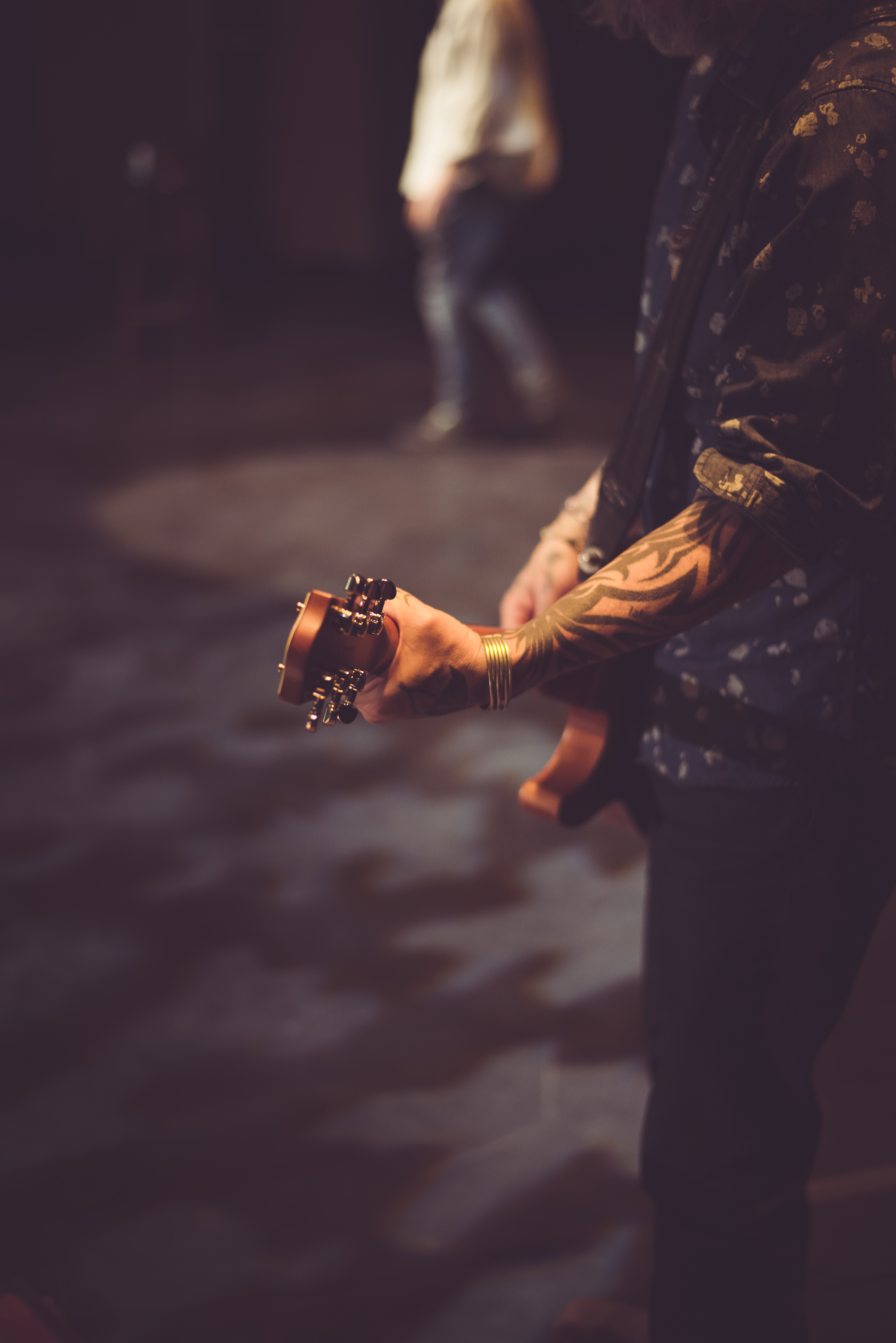
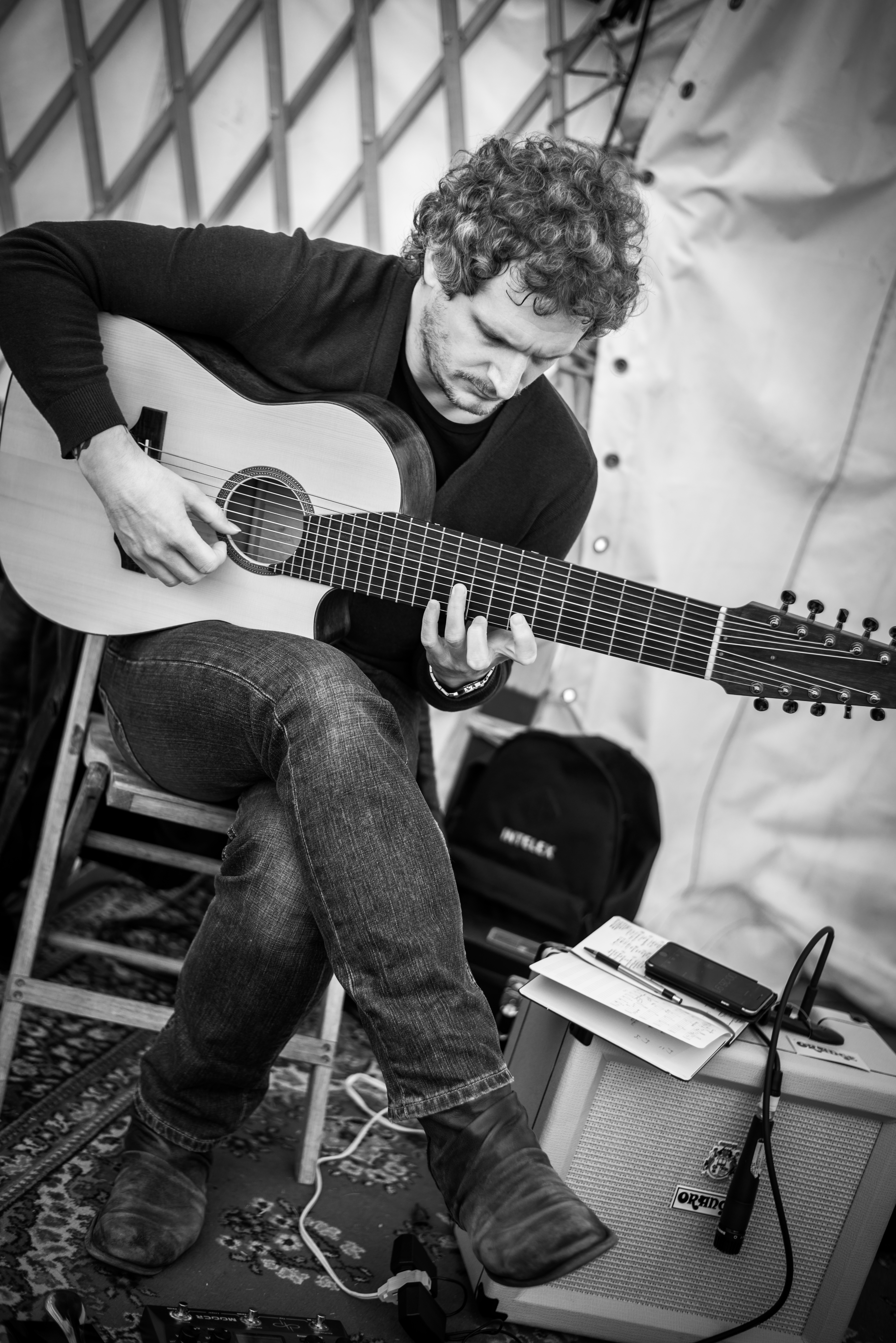
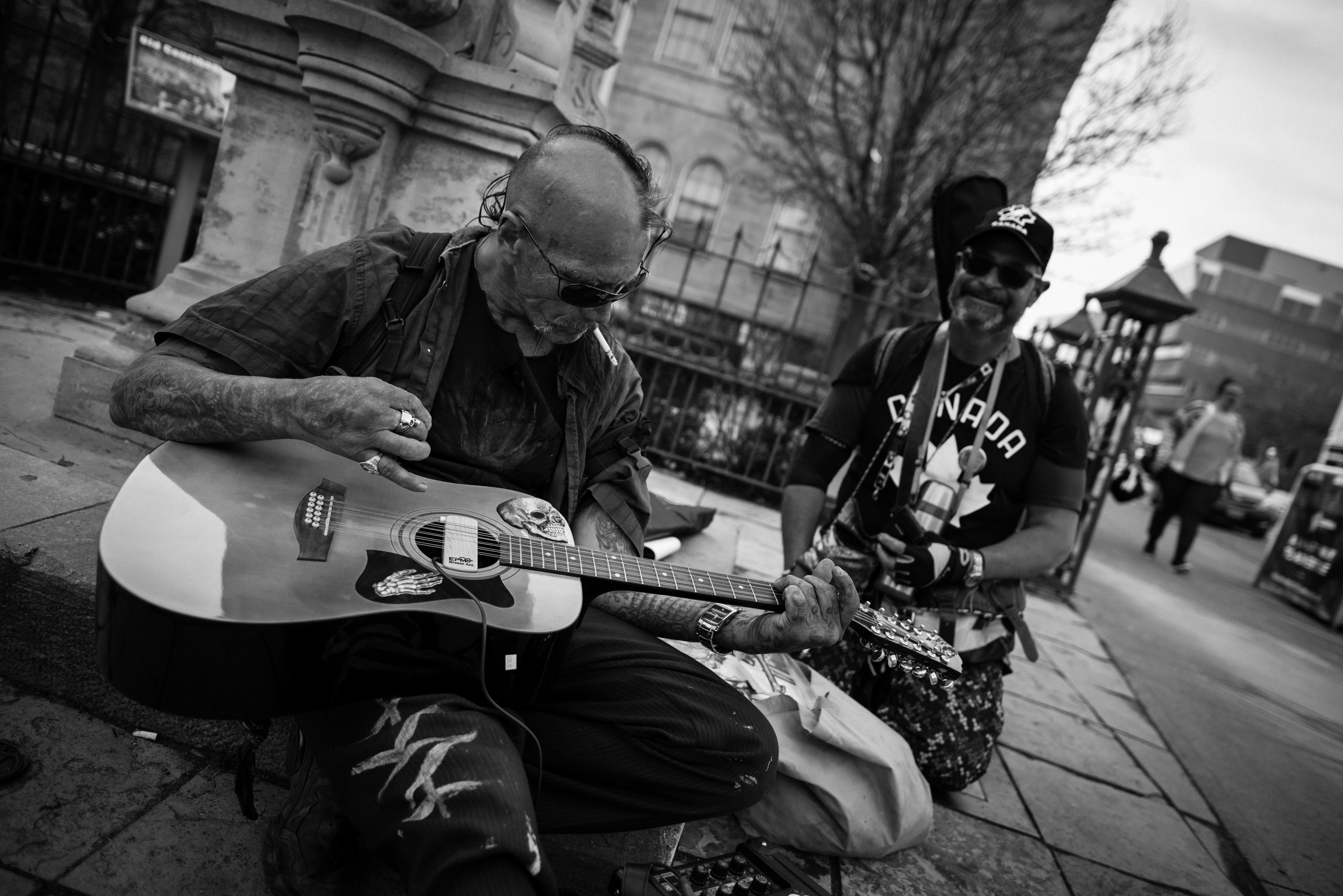
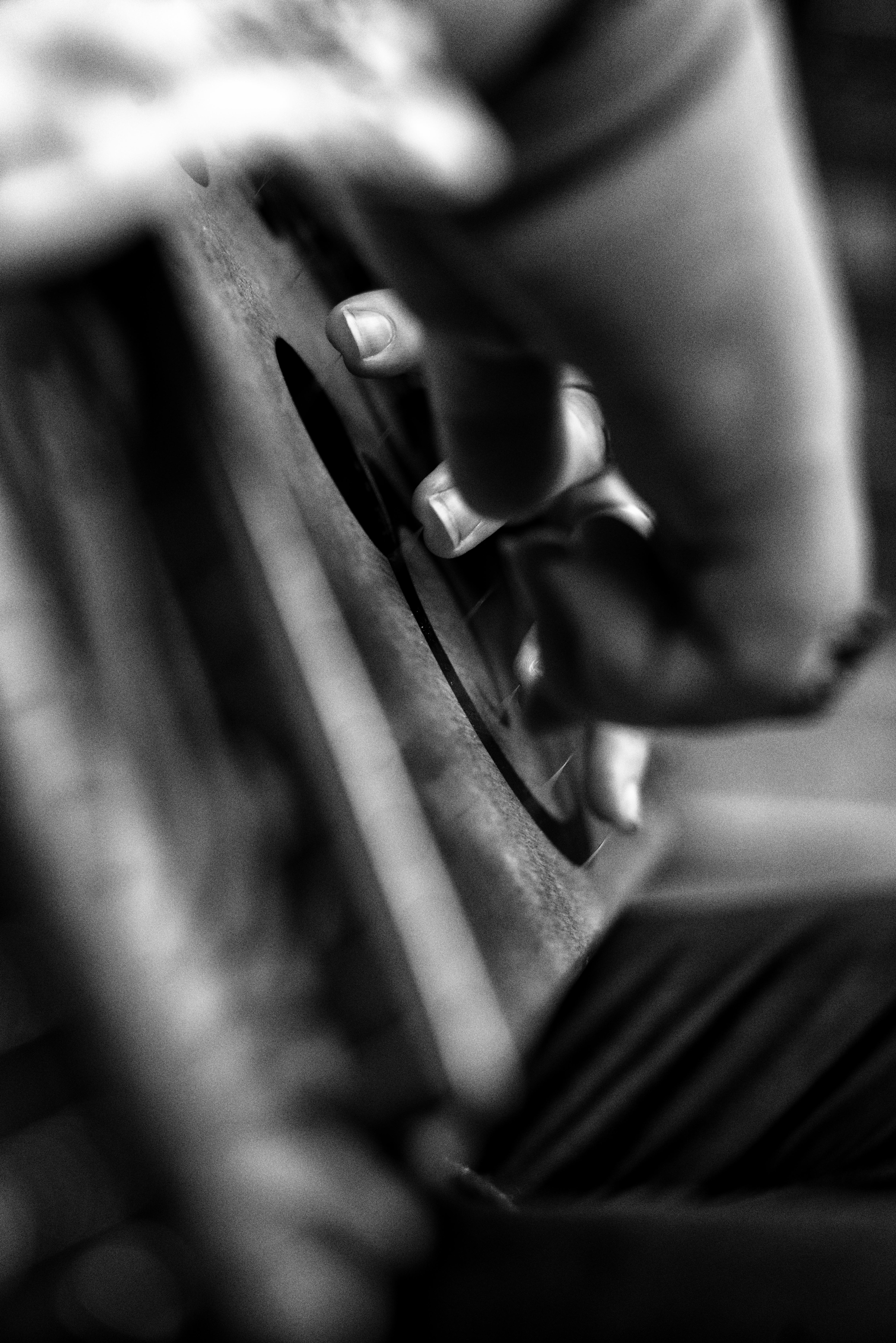
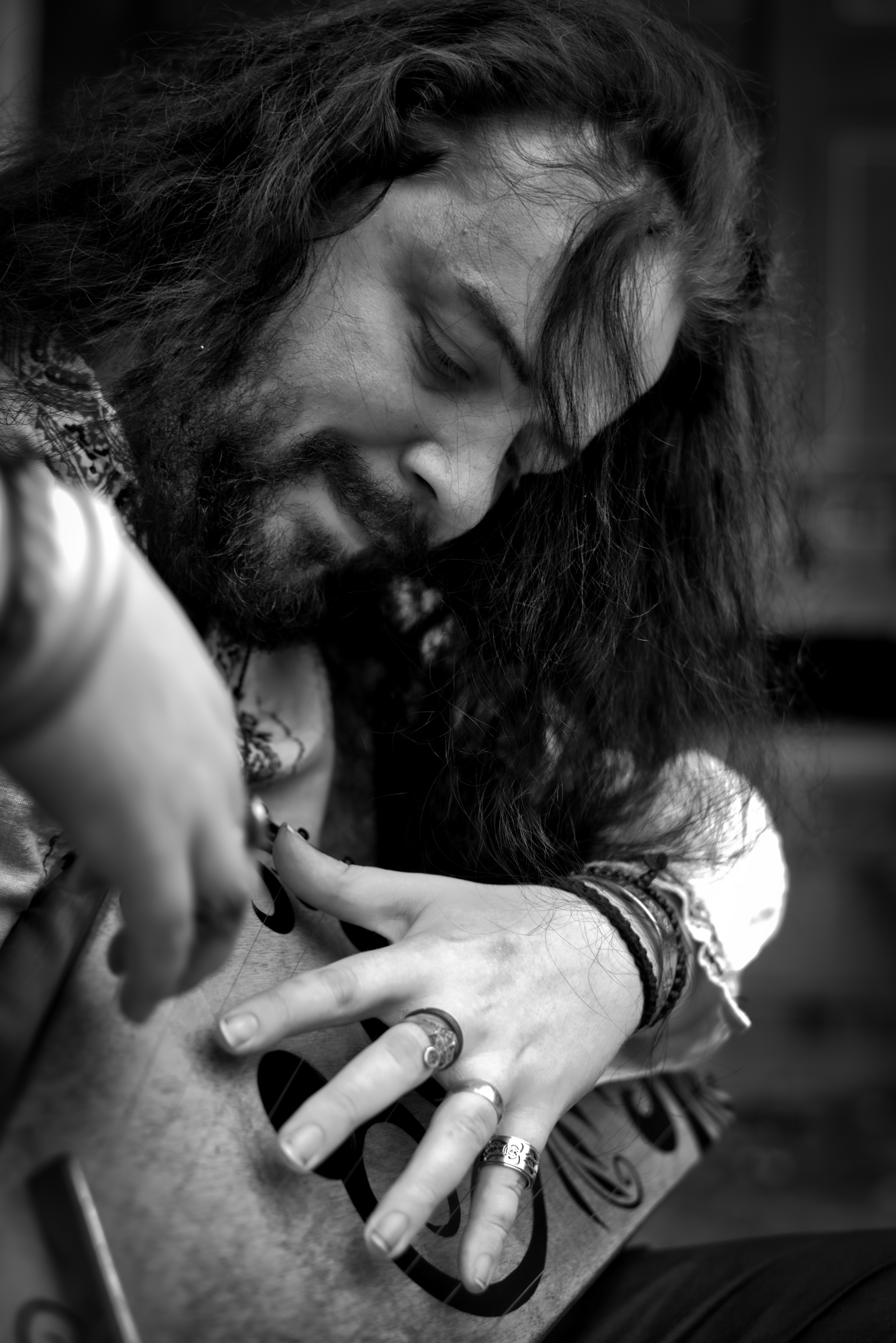
I believe those qualities are revealed not through obvious cues, but through how we, as a species, interact with the world around us: the eyes—how we perceive, how we search; the hands—how we shape, manipulate, and respond to what’s in front of us. These photographs ask the viewer to slow down—to read a person the way you read a landscape, patiently, without expectation.
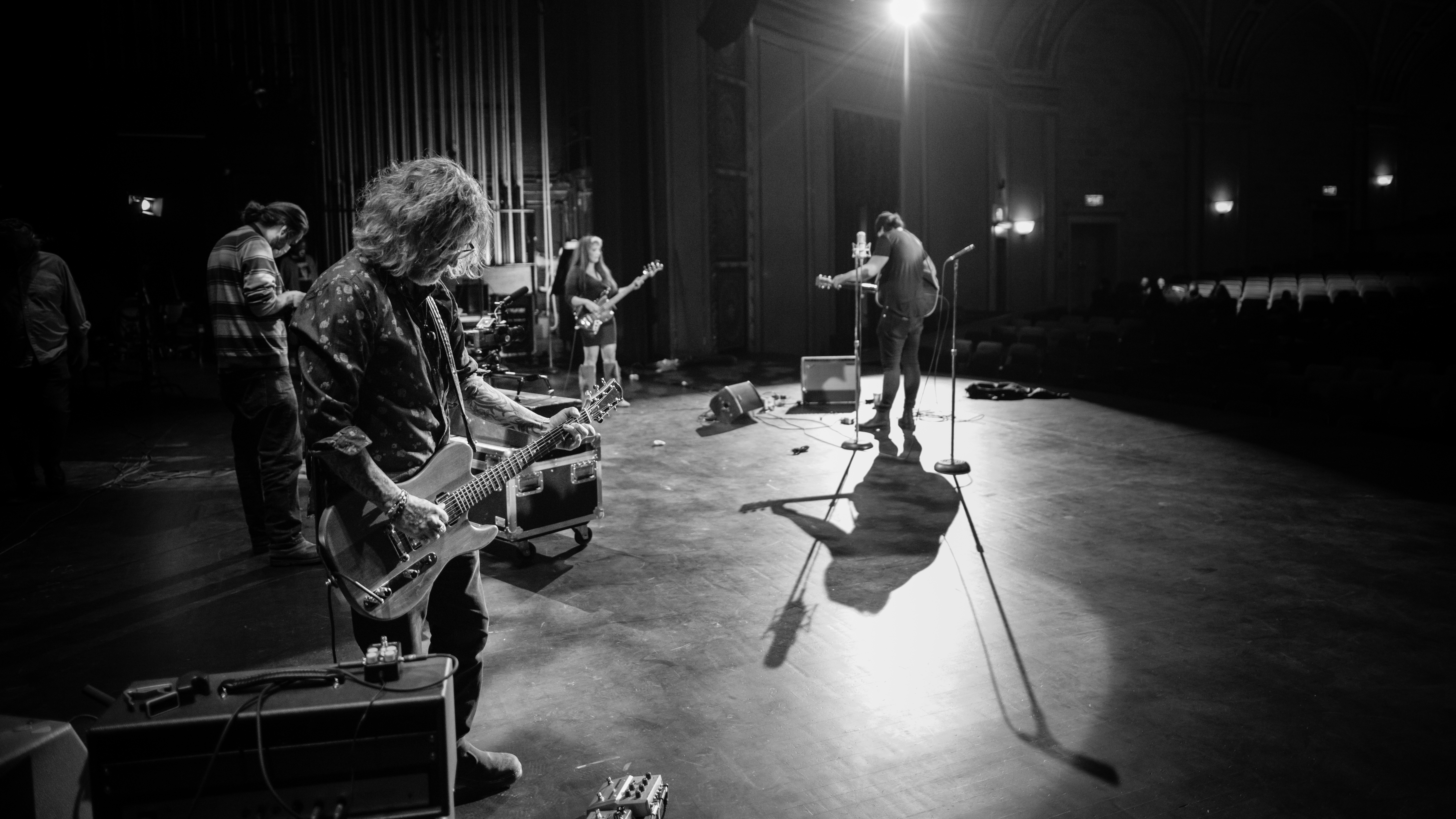
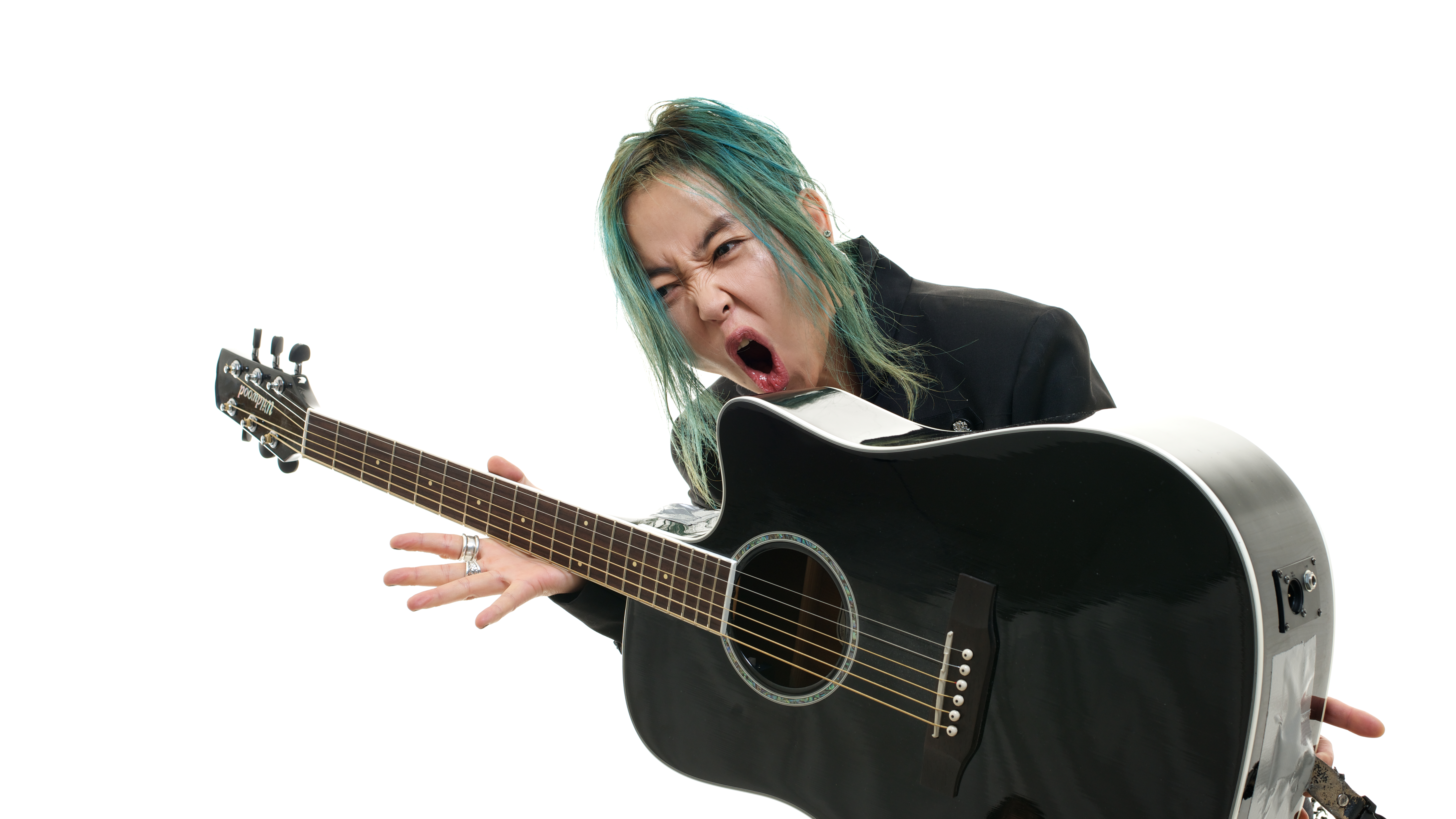
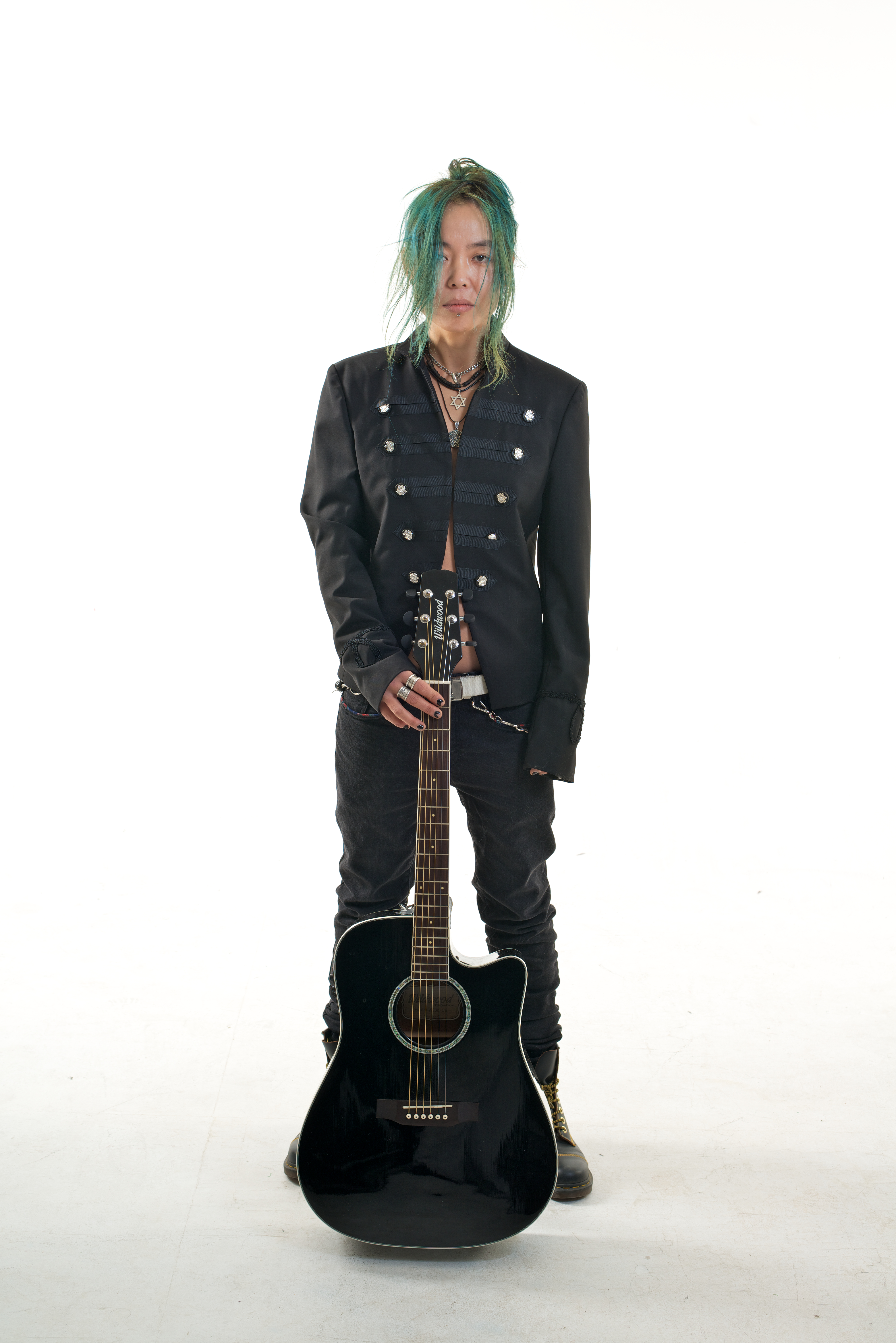
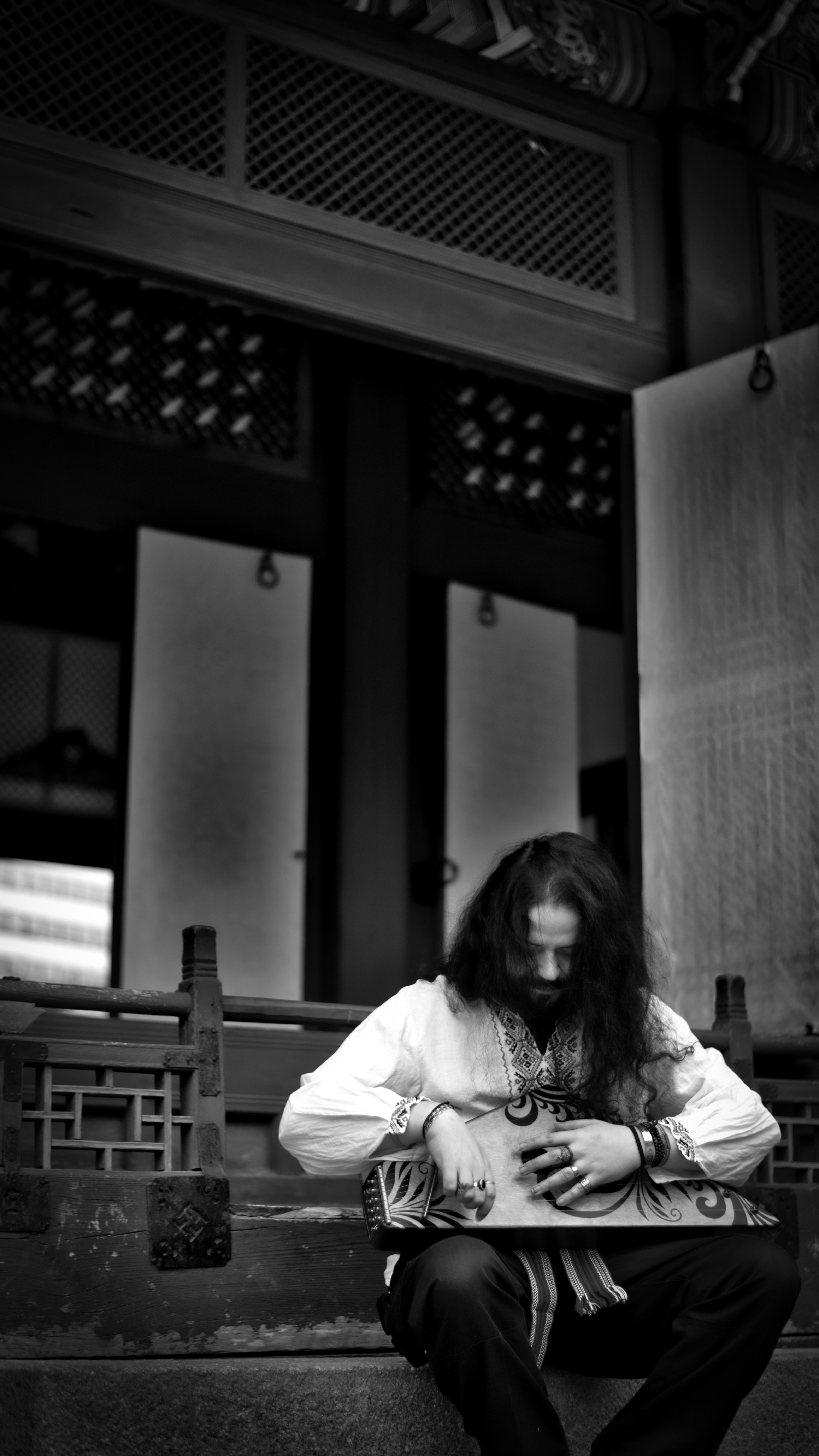
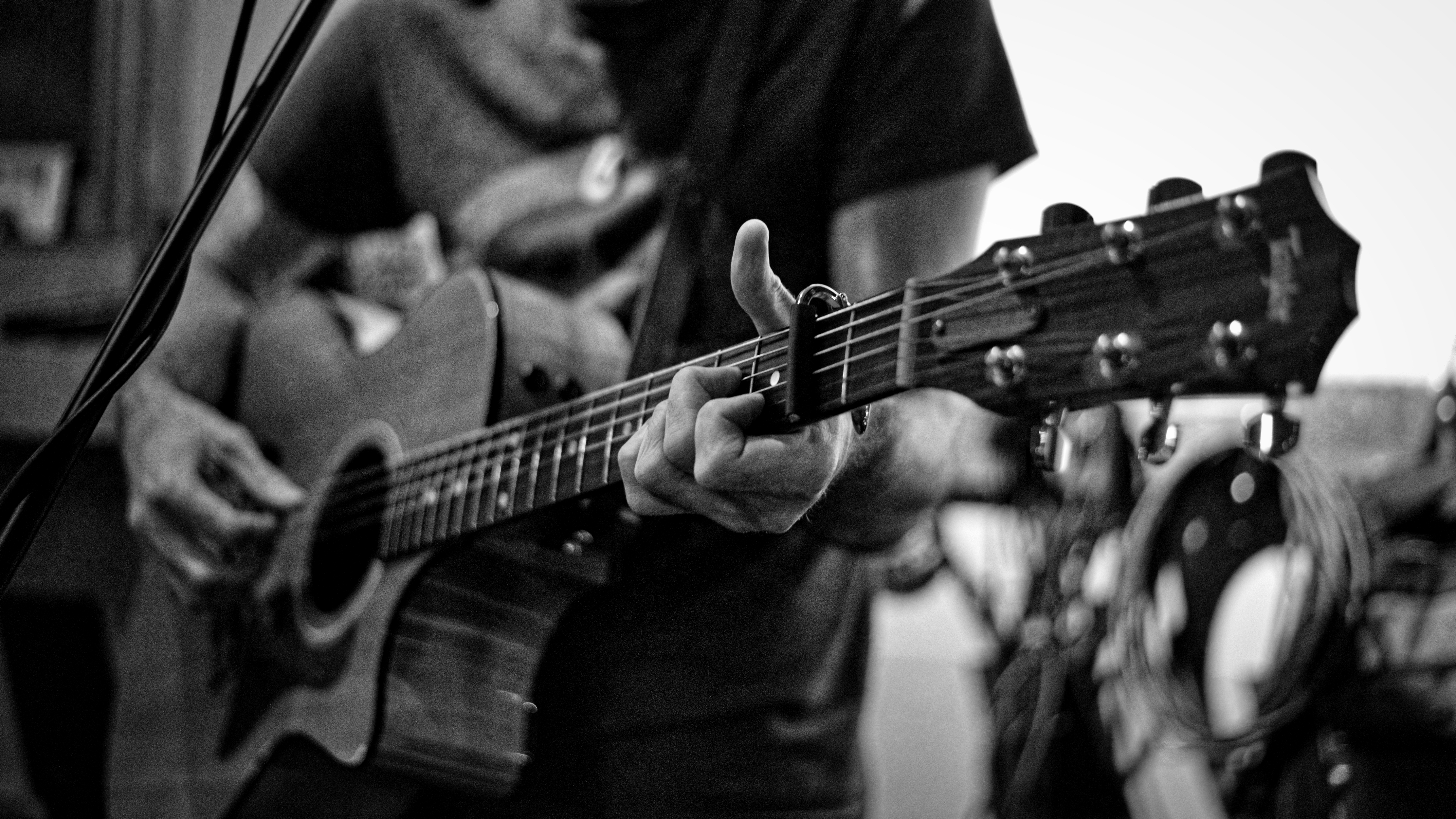
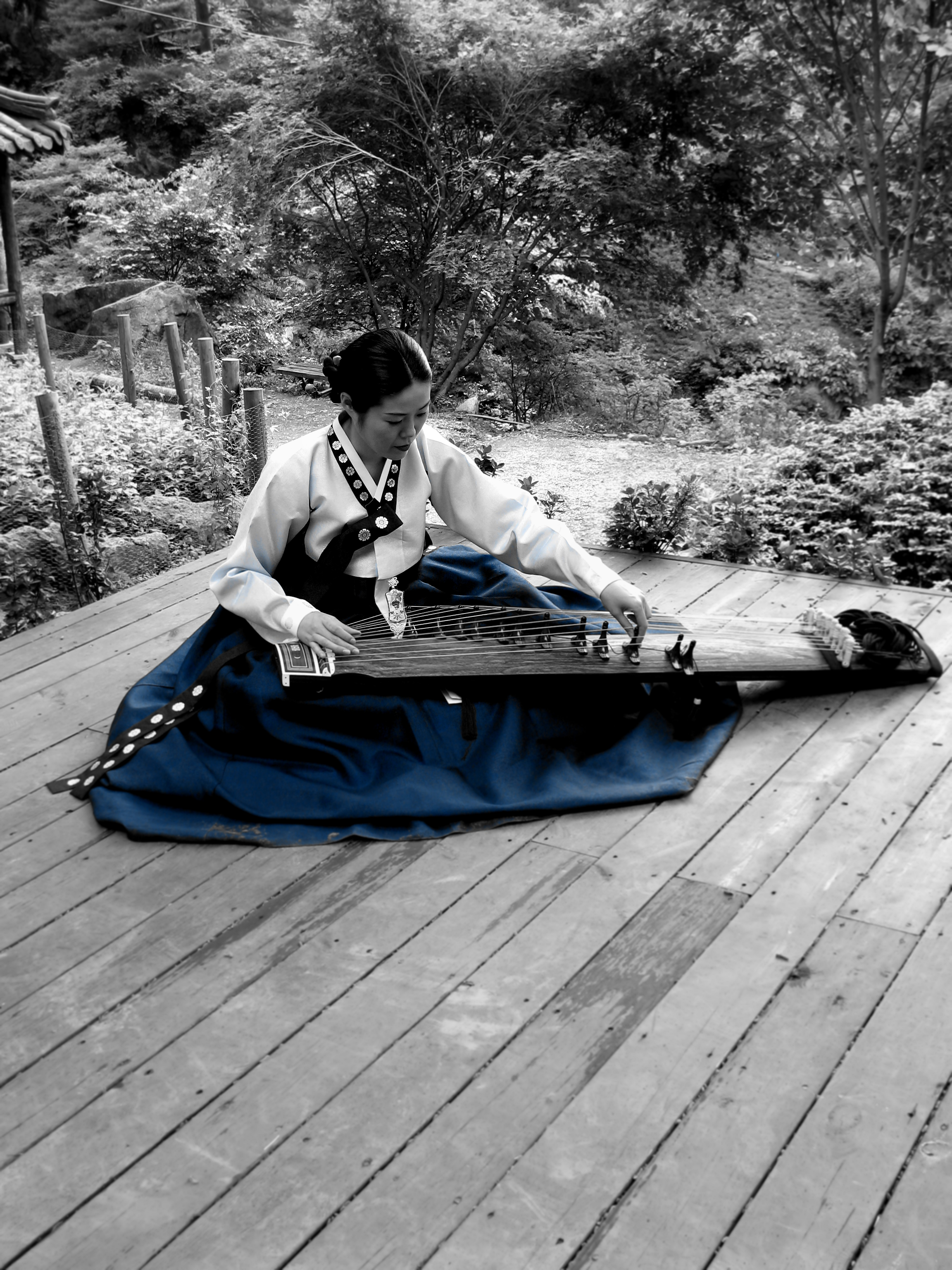
For most of my career, I have dedicated my photography to documenting musicians—their lives, their work, and the quiet, reflective spaces that exist between performances. By placing their hands as a strong focal point in the frame, I can capture the essence of a person without relying on the obvious. These are moments where everything else has fallen away. A person blocks out the noise of the room, the crowd, the expectation, and manipulates an instrument out of a primal need to create. The weight of years—sometimes decades—of practice funnels down into a single point at the tip of a finger.
There is truth there.
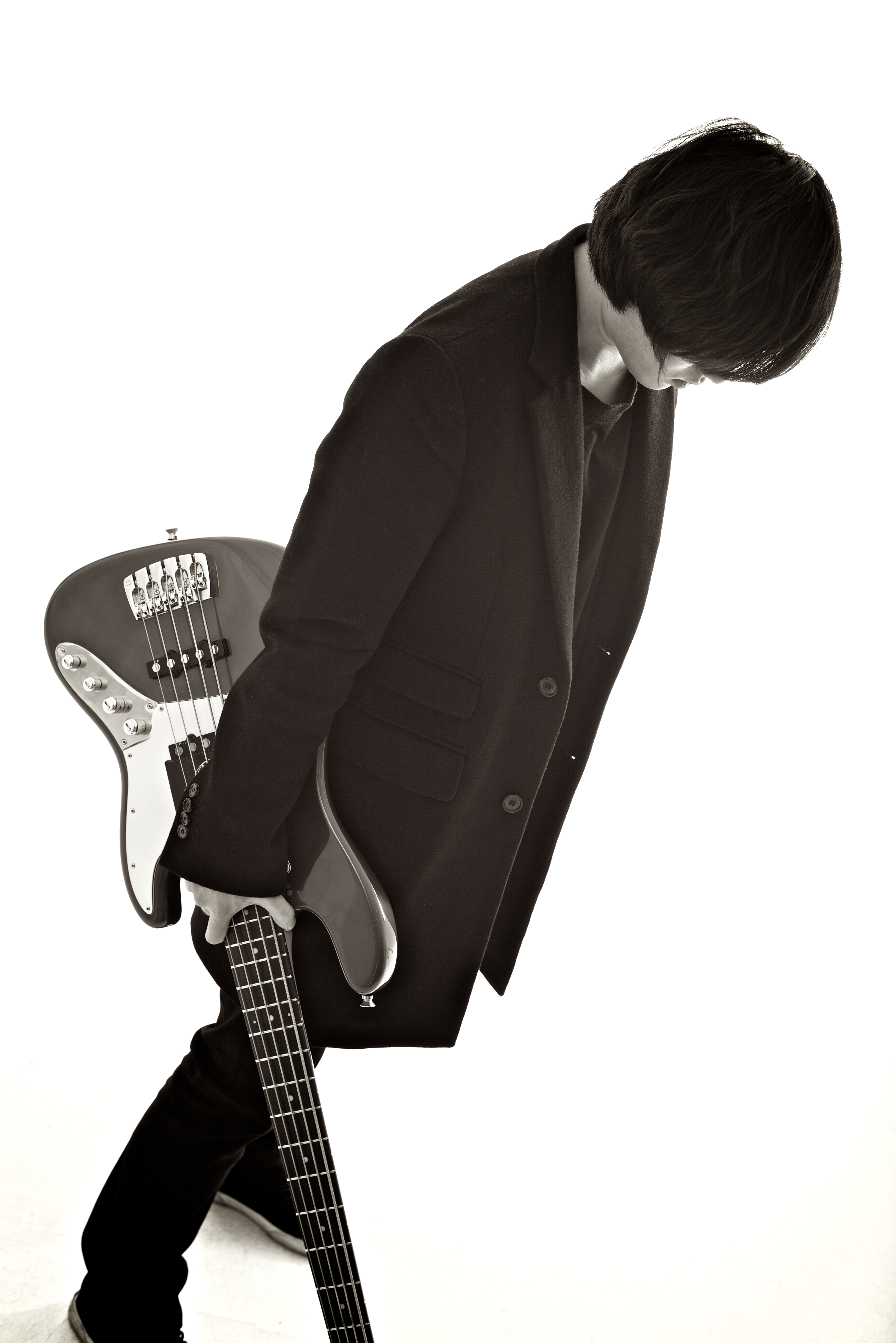
The eyes, when they enter the frame, re-center these musicians from being machines of music back into something deeply human—something we can connect with. So many of us love music, yet struggle to comprehend the discipline, focus, and sacrifice required to reach these levels of mastery. But when we see the eyes of a performer—focused, searching, vulnerable—we recognize something familiar. The desire for connection. The need to create. The quiet longing to be understood.
When I shoot, I primarily photograph in black and white. I have done so for more than fifteen years. There are exceptions, naturally, but when I think about how to draw something deeper out of these moments with my subjects, I return to black and white again and again. By discarding the unnecessary noise that comes with colour, I can see more clearly. With greater fidelity. I can trace the scars of passion cut across the skin of my subject.
Weathered and uncomplicated, the hands become a map. The texture of worn skin tells a story. Calluses speak of repetition. Scars speak of persistence. These are quiet details, but they carry weight. They resonate.
Black and white is misleading. It sounds binary, when in fact it holds infinite possibilities—countless shades of grey suspended between two bookends. I leverage light, lenses, and the artifacts etched into my subject’s hands to draw a non-linear line between where they began and where they stand now. Between origin and becoming.
Timing is the element I care most about. Not settings. Not gear. Timing—but not in the way most people think of it. It isn’t about avoiding a blink or catching a perfect expression. It’s about waiting for something else entirely. Often, the most honest moment arrives after the work is done. The instrument rests. The hands go still. The eyes lift, unsure of where to land next. That’s usually when I take the photograph.
I’m aware that I don’t stand outside these moments. I bring my own history, my own hands, my own way of seeing into every frame. The photograph becomes a quiet collaboration—between their devotion and my attention.
This approach isn’t exclusive to musicians. It applies to anyone who has given themselves fully to something—to a craft, a calling, a way of living. Faces change. Hands remember. The way a person occupies space, the way they look at the world while engaged in their work—these things tell the story long after words fail.
I hope this work is inspirational. But more than that, I aim for honesty. Not spectacle. Not performance. Just a quiet recognition of devotion made visible.
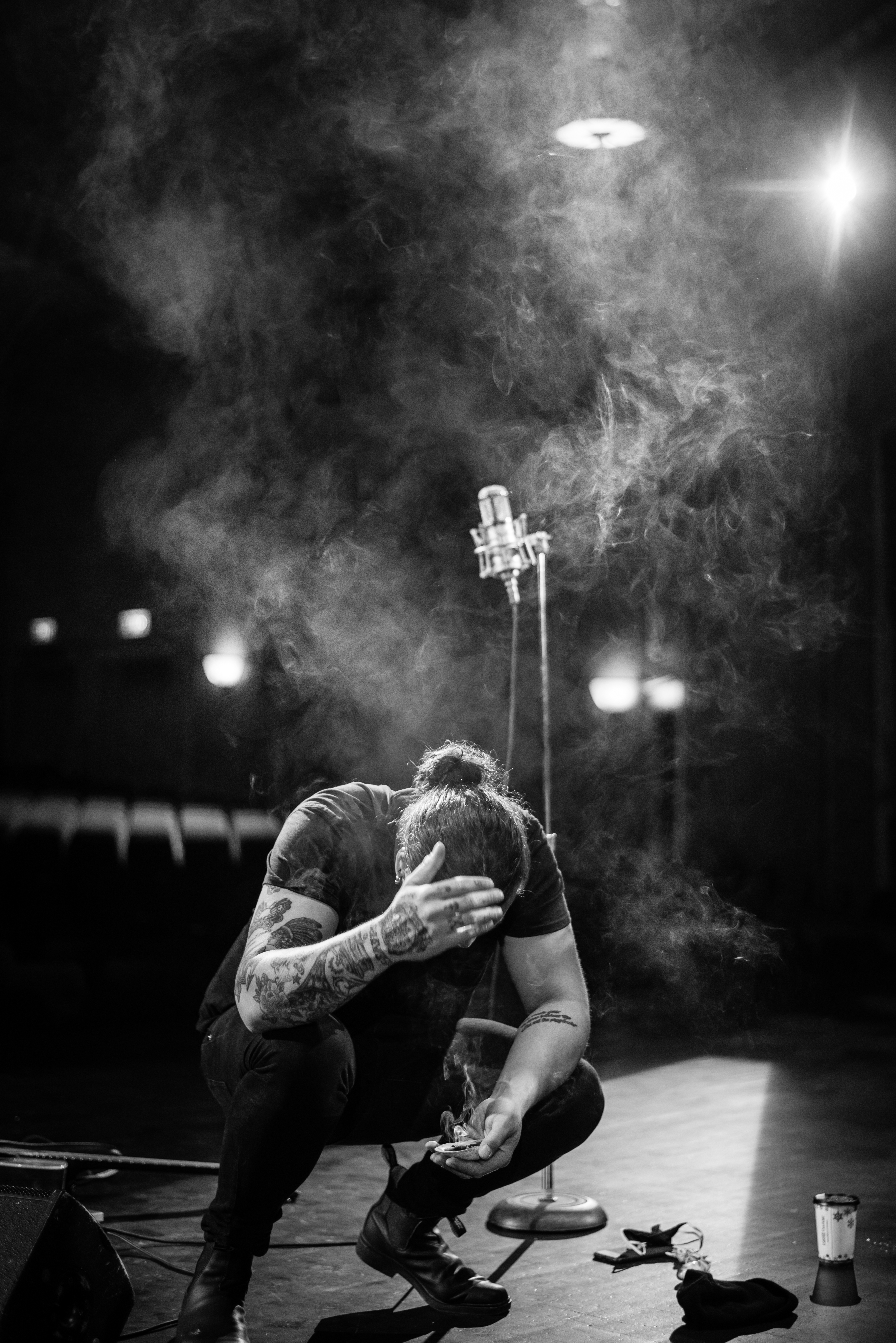
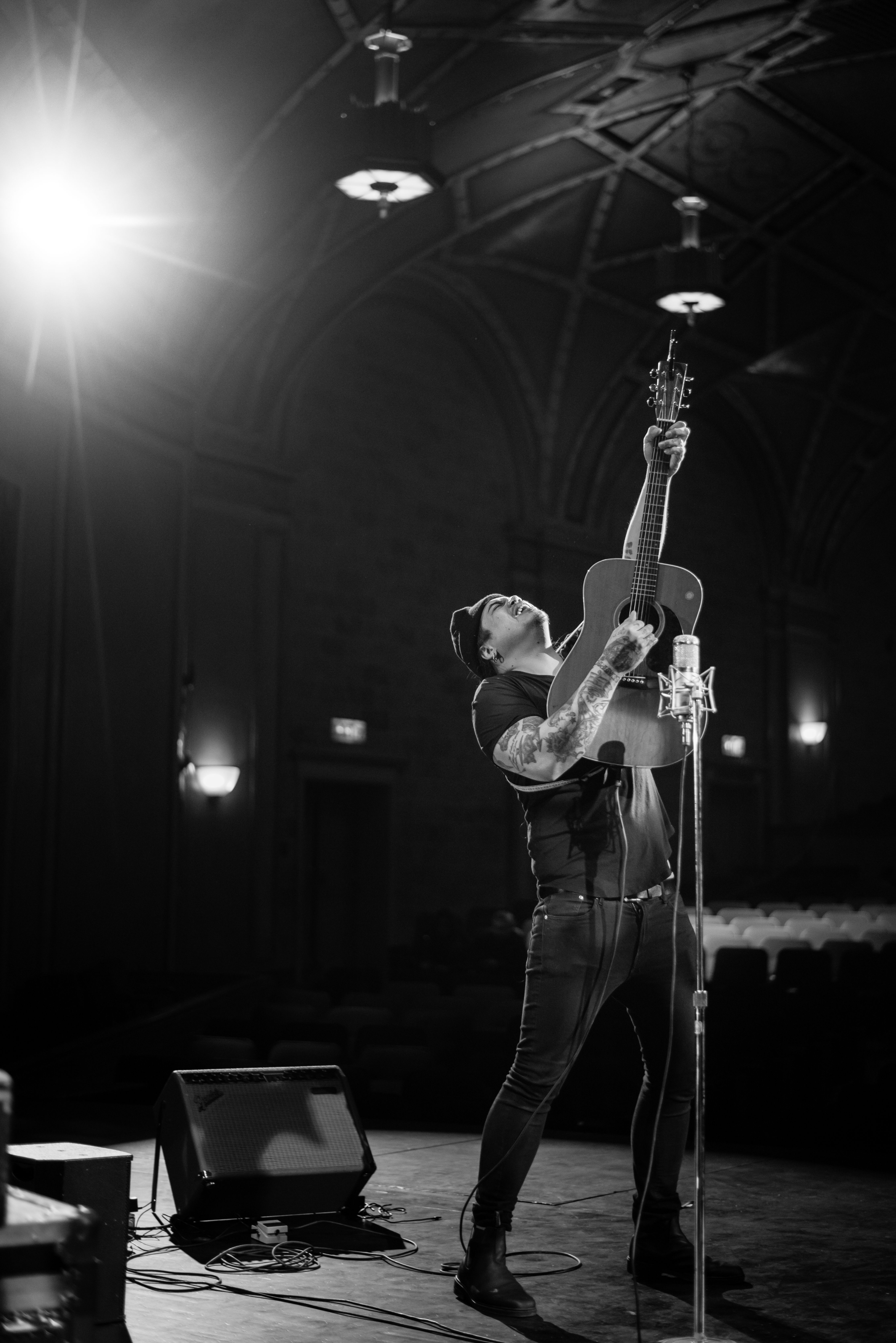
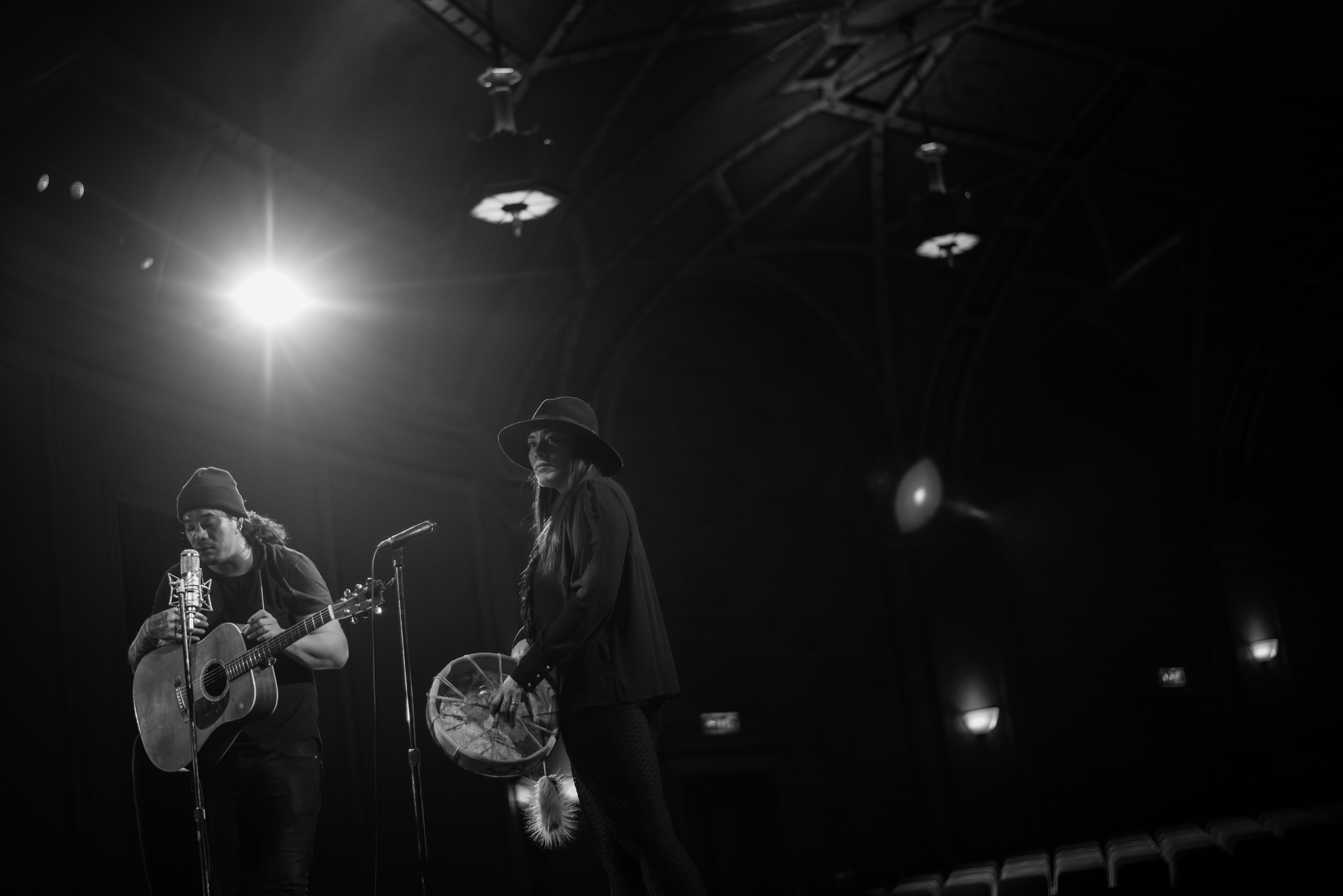
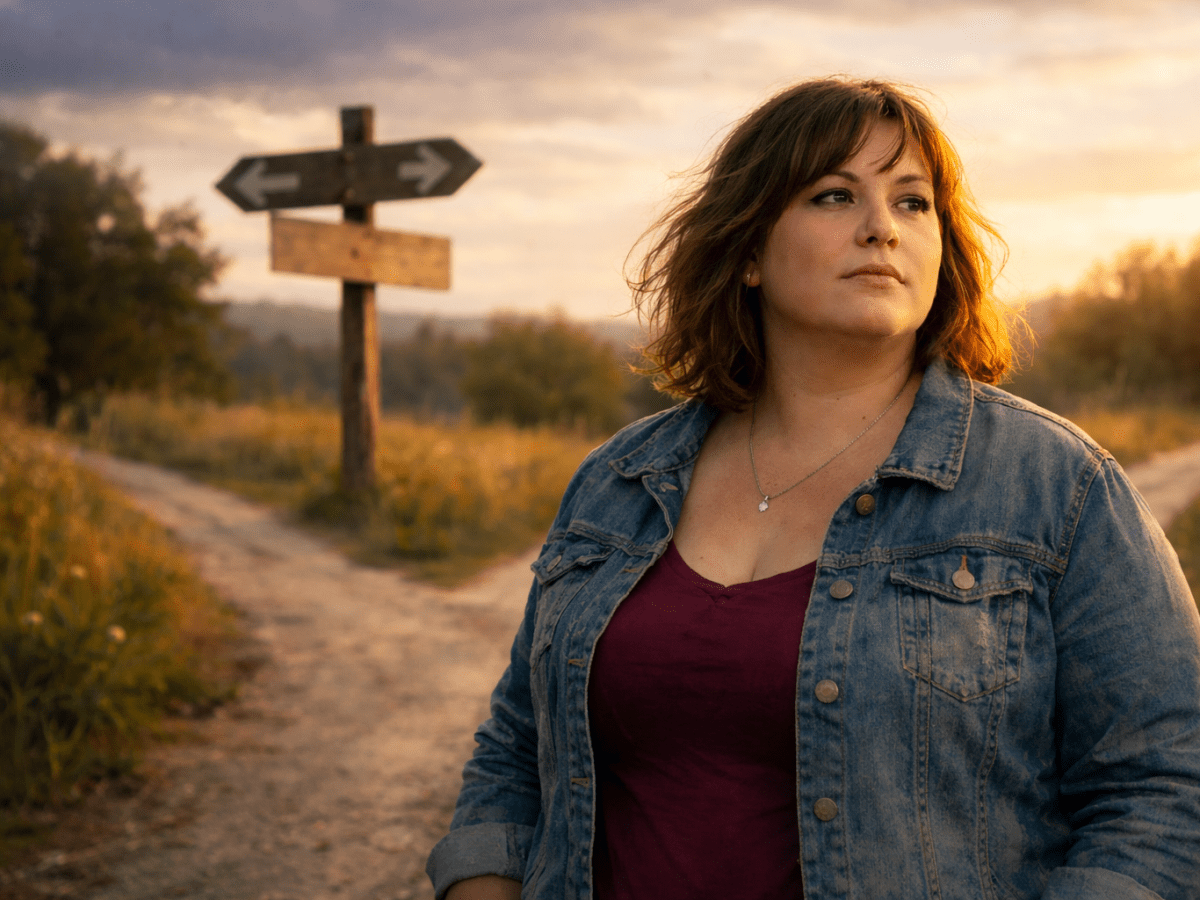
On Not Disappearing
I am not good at making lifelong friends. My record is uneven, marked by distance and missed chances. Going stealth would have only deepened that pattern. More importantly, it would have meant abandoning the mercy, empathy, and action shown by the people who stood beside me. I needed their proximity—not just their support, but their…


I DIDN’T PLAN TO BECOME A TEACHER: The Students Who Made Me Stay
I didn’t become a teacher because I planned to. I became one because I stayed. Because I said yes often enough. Because students like Alex and Clare taught me that education is not merely academic—it is relational, fragile, and profoundly human.

RAISED BY PLACES UNSEEN: The Quiet Way Borneo Found Me
I arrived in Kota Kinabalu under a veil of night. The airport was modest, its walls carrying a patina of age that felt unexpectedly comforting. It didn’t strive to impress; it felt lived-in, a doorway used by generations of travellers before me.
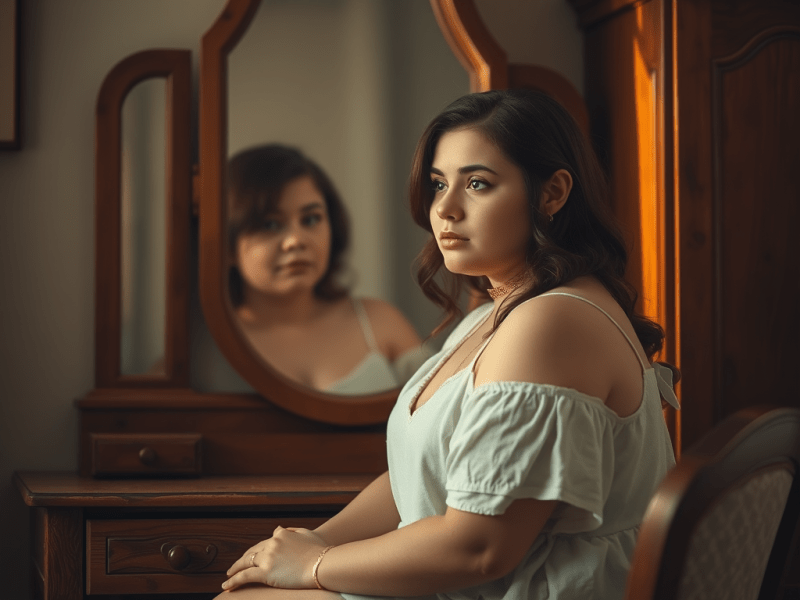
PART 3 – NO PERMISSION NEEDED: What Was Once Shame Has Become Pride
What began as innocent play, the joy of dressing up and pretending, soon curdled into confusion and punishment. My parents’ gentle corrections hardened into anger, their voices faltering with something more akin to unrelenting impatience. My pleas — small, wordless, desperate — were dismissed as misbehaviour. How could I have explained, at four or five…
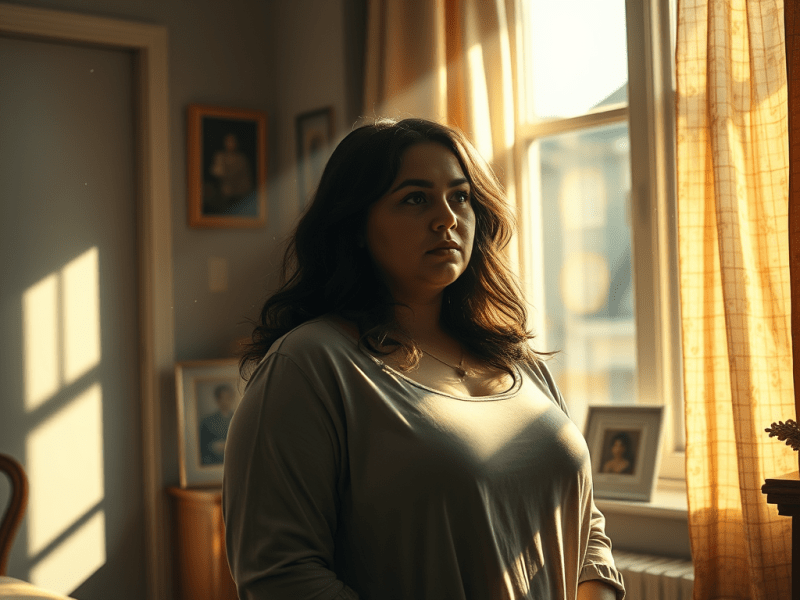
PART 2 – SHAPE OF BECOMING: Grief, Legacy, and Inheriting Her Echo
Grief is a complex journey, shaping identity through loss and memory. Sabrina reflects on her relationship with her mother, navigating absence, longing, and legacy. While struggling to inherit her traits, they ultimately find strength and validation in her mother’s enduring voice, guiding them towards self-acceptance and growth.
 Sabrina Constance