From as early as four, I knew something wasn’t right. I wouldn’t learn until decades later — through years of research and reflection — that this is around the age children begin to understand their own gender. For many, the inner and outer self align naturally, without question. But for some of us, there’s a fracture — a quiet, persistent discord between who we are and who the world insists we must be.
That’s where I lived — in that space of incongruity.
What began as innocent play, the joy of dressing up and pretending, soon curdled into confusion and punishment. My parents’ gentle corrections hardened into anger, their voices faltering with something more akin to unrelenting impatience. My pleas — small, wordless, desperate — were dismissed as misbehaviour. How could I have explained, at four or five or six, that the ache I carried wasn’t defiance but displacement? That my reflection felt like a stranger’s?
The people meant to protect me became the first to silence me. And so, I learned to survive by performing — to exist as a counterfeit version of myself. Each smile rehearsed. Each gesture practiced. Each day a quiet betrayal of the truth I could not yet name.
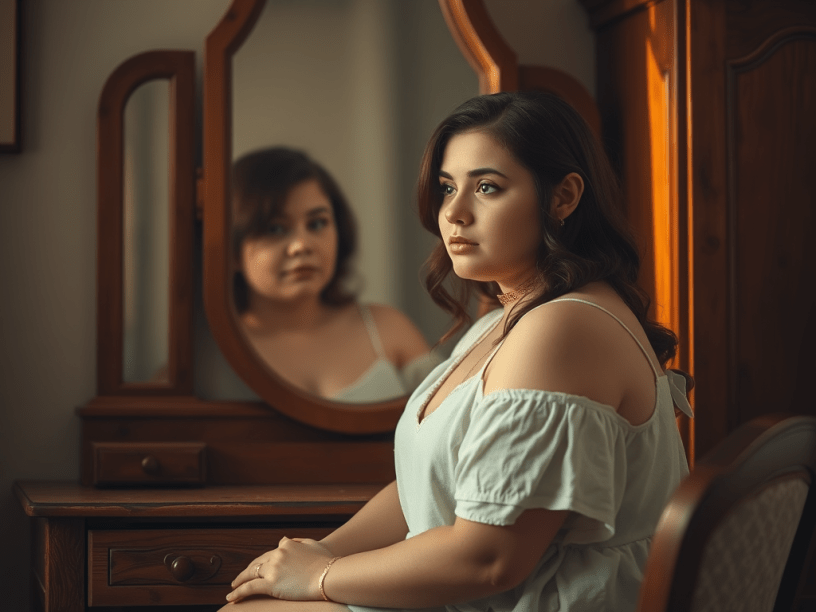
It wasn’t until my teenage years that I finally gave a name to who I truly was. The long stretch of years between my early realization that I was not the child my parents believed they had, and the night I sat alone in my room before an antique oak vanity — assembled by my late grandfather, passed to my mother, then to me — wasn’t born of uncertainty, but of contemplation.
For a transgender person, the search for a name is never simple. It’s a deeply personal act — a declaration, a prayer, a reclamation. Some choose names to honour where they’ve come from. Others, to mark who they’ve always been. Mine was about who I longed to become.
Sabrina.
I found it one evening in a film — either the 1954 original or its 1995 remake — Sabrina, the story of the chauffeur’s awkward daughter who leaves for Paris and returns radiant, self-assured, unrecognizable even to those who once dismissed her. I saw her transformation and felt an ache of recognition. Like her, I longed to step into myself, to emerge from invisibility into authenticity.
Sitting before that worn vanity, its mirror slightly clouded with age, I whispered the name aloud for the first time. Sabrina.
The word hung in the air like a fragile spell — and then, softly, it fit. It didn’t feel like pretending. It felt like remembering.
Though I lacked Audrey Hepburn’s effortless grace, I felt connected to her quiet determination — her ability to evolve without apology. In that whisper, I claimed my reflection, and for the first time, the girl in the mirror looked back — not as a stranger, but as someone I might one day truly become.
Transgender people often speak of many small steps along their journey — the gradual unfolding of self. But there are also moments that arrive like thunder, reckonings that split your life into before and after. My journey was no different.
High school was a kind of quiet hell. I carried a convincing smile, laughed in all the right places, played the part of someone whole. But even surrounded by friends, I was hollowed out by loneliness — a constant undercurrent of shame, sadness, and longing. I survived it by pretending, by staying busy, by becoming what others expected.
When I graduated and prepared for university, I made a silent vow: I would not let another four years slip past me in silence. I was tired of watching my own life from the sidelines.
In primary and secondary school, I had been the uninspired one — my grades a reflection of a child adrift. But at university, something shifted. I arrived determined to prove myself, to outwork my doubts and defy the low expectations that had followed me. On the surface, I was thriving — finding my rhythm in the adult world. Yet even in that momentum, something essential was missing. My depression and dysphoria shadowed every success.
Somewhere between late nights drafting grandiloquent essays, back-to-back senate mandates, and walking home beneath the flickering glow of campus streetlights, the truth began to press harder against the surface. I realized that achievement meant nothing if it wasn’t tethered to authenticity. The voice I had buried for so long — the one that had once whispered “Sabrina” — refused to stay silent.
That was my turning point. My awakening.
Sabrina was no longer a secret I kept, but someone I was ready to become. The name was no longer a hope — it was a home. And as I stepped into that truth, I felt a quiet promise forming: that I would never again betray the child who had once begged to be seen.
For years, my family told me — in words, in silences, in all the small cruelties of conditional love — that I was only worthy if I performed the version of myself they could accept. That to be loved, I had to vanish. To survive, I had to extinguish the truth that burned inside me.
But the soul does not go quietly.
Even as I tried to disappear, some part of me — that stubborn, radiant child — refused to die. She waited. She watched. She kept the flame alive beneath the ashes of compliance.
When my reckoning finally came, when I chose to stop apologizing for existing, I understood what she had been trying to tell me all along: that vanishing was never safety, only surrender.
So I rose. I chose to live in the open, to honour the self I had buried for so long.
To the child who once believed she had to disappear to be loved — you never had to vanish to be real. You were real all along. You were loveable all along. And now, at last, you are free.
When I was a kid, I would often imagine a post-transition world. In that imagined timeline, I would be living in a new place, with a new name, with a new history. No one would ever know my origin story. My history would be wiped clean. My shame, embarrassment, and the scars I had collected from that awkward and awful transition would be erased.
Only with age and wisdom did I realize that we cannot escape our history — nor should we. Our scars are the proof of our survival. And most of us need others — friends, family, community — as anchor points, as allies, as shields, and sometimes as swords when we are at our most vulnerable. I now display my scars proudly as a roadmap, a journal of my journey to becoming.
I grew exhausted by the illusion of a life scripted by others — hollow, performative, not mine. So I claimed it. My one shot at joy, at truth, at living fully. Being transgender wasn’t the point — it was simply the reality I navigated. What mattered was reclaiming pride in myself, honouring my worth, and refusing to shrink. Without courage, the future loomed cold and unwelcoming. So I chose action. I chose to define life on my own terms, even when those terms were uncertain. No one — not now, not ever — will shame me for who I am or the choices I made to survive and thrive.
This life, this joy, is mine. And my strength will outlast the hate of strangers who never knew me — and never will.
With each affirmative step, I carry that broken, frightened child within me. She’s never far from the surface — the ghost of who I was and the seed of who I’ve become. I no longer hide her away or mourn what she lost. Instead, I hold her hand gently, grateful for her courage to endure when the world demanded her silence.
I see my younger self now with compassion, with love that could only be born from chaos, grief, and the long work of self-forgiveness. She is no longer just a memory — she is my compass. Every act of joy, every moment of truth, every breath taken freely is an offering to her. What was once pain has become purpose. What was once shame has become pride. I have made peace with my history, and in doing so, I’ve found my freedom. The child who once dreamed of disappearing has finally been seen — not as a shadow, but as the light that led me home.
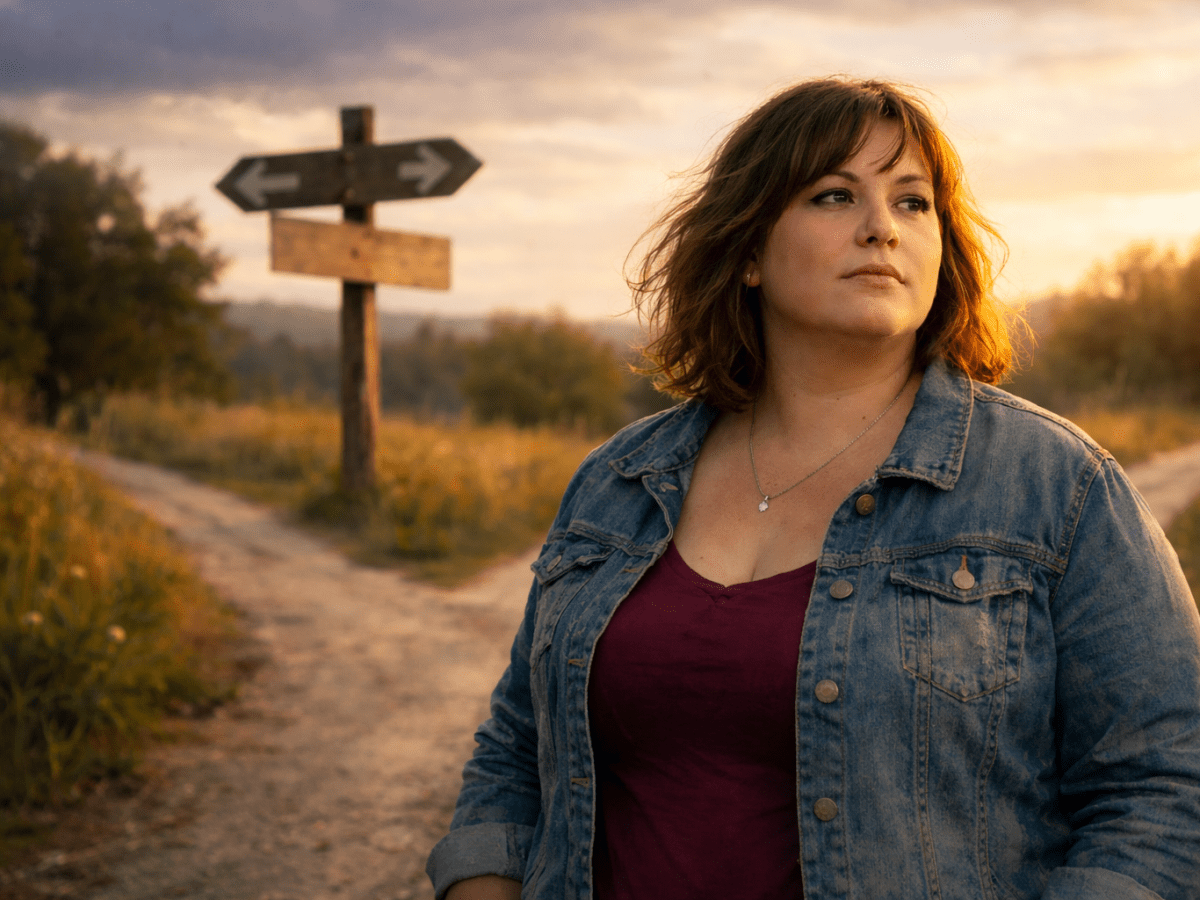
On Not Disappearing
I am not good at making lifelong friends. My record is uneven, marked by distance and missed chances. Going stealth would have only deepened that pattern. More importantly, it would have meant abandoning the mercy, empathy, and action shown by the people who stood beside me. I needed their proximity—not just their support, but their…

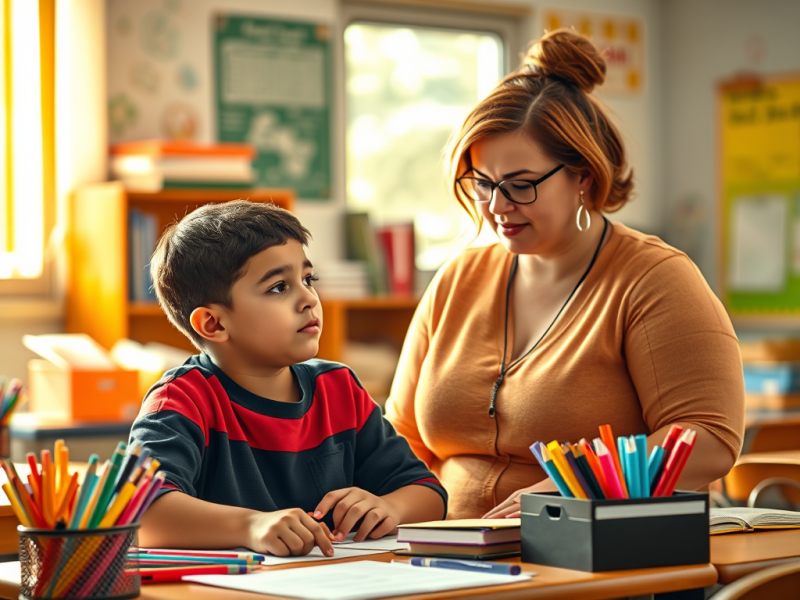
I DIDN’T PLAN TO BECOME A TEACHER: The Students Who Made Me Stay
I didn’t become a teacher because I planned to. I became one because I stayed. Because I said yes often enough. Because students like Alex and Clare taught me that education is not merely academic—it is relational, fragile, and profoundly human.
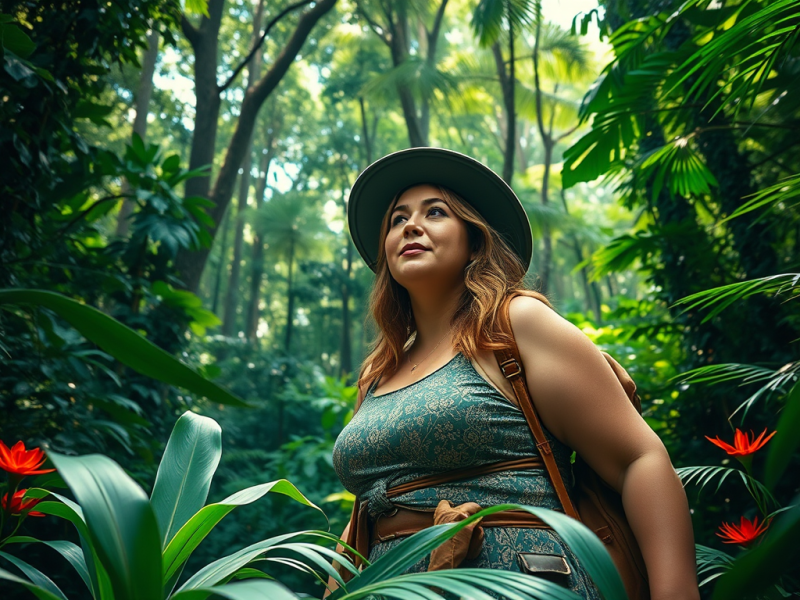
RAISED BY PLACES UNSEEN: The Quiet Way Borneo Found Me
I arrived in Kota Kinabalu under a veil of night. The airport was modest, its walls carrying a patina of age that felt unexpectedly comforting. It didn’t strive to impress; it felt lived-in, a doorway used by generations of travellers before me.
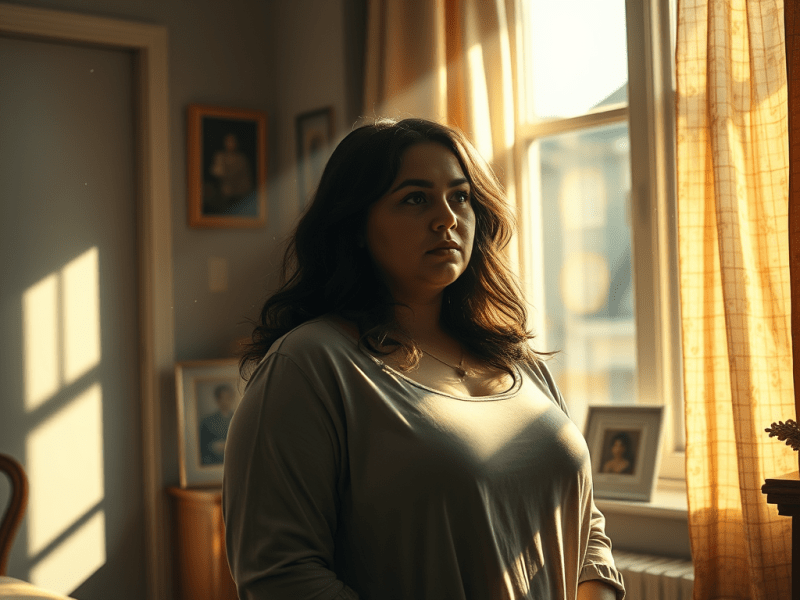
PART 2 – SHAPE OF BECOMING: Grief, Legacy, and Inheriting Her Echo
Grief is a complex journey, shaping identity through loss and memory. Sabrina reflects on her relationship with her mother, navigating absence, longing, and legacy. While struggling to inherit her traits, they ultimately find strength and validation in her mother’s enduring voice, guiding them towards self-acceptance and growth.
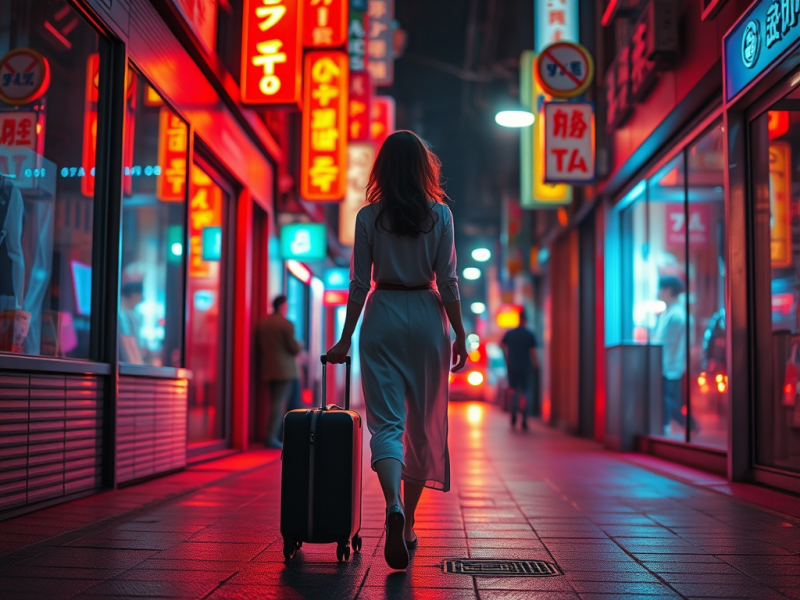
PART 1 – UNFOLDING: A Trans Woman’s Search for Self and Sanctuary
In Canada, before I left, I moved through the world like a ghost—trapped in the wrong name, the wrong body, the wrong silence. In Korea, in this unexpected corner of Asia where cities shed memory as quickly as the seasons change, I found a stillness that held me. Through my camera lens, through hours of…
 Sabrina Constance