
The following is dedicated to Sally MacDonald and Greg “Indiana” Jones.
Prologue
There are stories we inherit long before we know we’re carrying them—tiny, quiet impulses that push us toward places we’ve never seen. Sometimes they begin as restlessness. Sometimes as a faint tug in the chest. And sometimes—and this is the rarest—they begin as a place we have never been, but somehow already long for.
For most of my life, I mistook that tug for ordinary wanderlust—the kind that pulls people toward new jobs or new cities, toward the promise of reinvention. But the hunger beneath mine felt older than that, as though it predated the person I believed myself to be. It lived in the half-forgotten corners of adolescence, in the dusty back rows of classrooms, in the fleeting impressions of adults who passed through my life before I knew how to make sense of them.
Only much later—after years of distance, dislocation, and reinvention—did I see it clearly: the map of who I would become had been drawn long before I could read it. The places I yearned for, names still catching in my throat, had been spoken almost casually, as if they were cryptic anecdotes. Yet they had taken root, like seeds buried beneath snow, waiting for the first light of spring.
This story is not about escape, though it begins with leaving. It is not about travel in the usual sense, though miles and mountains and unfamiliar coastlines play their part. It is about the quiet accumulations that shape us—the small, unremarkable moments that later reveal themselves as thresholds. It is about growing into a self I had not yet imagined.
The journey that follows did not begin in airports or foreign cities. It began years earlier, in a place I did not expect, with a person who had no idea he was altering the trajectory of my life. It began with a seed buried so deep that I only recognized its bloom decades later, standing on the edge of a river in Sabah and feeling something inside me settle into a kind of truth.
To tell this story properly, I must return to the beginning—before the flights, before the mountain, before the rainforest. Before I understood what it means to feel called by a place. I must return to that classroom.
Daydreams That Became Destinations
I trace the origins of my restlessness to a single high-school classroom—the one where Mr. Jones appeared, a man who many of us called “Indiana Jones.” He was a doctor—the Ph.D. kind, not the stodgy medical sort—and an adventurer at heart, prone to inexplicable disappearances and drawn to the unknown. He came in at irregular intervals, filling in whenever our regular science teacher vanished. He entered the room like a character from a story: sun-weathered, quietly amused by the ordinary, slightly out of place among rows of desks and flickering fluorescent lights. He carried an unspoken truth: the world beyond those walls was wider, wilder, and far more mysterious than anything our textbooks dared suggest.
It wasn’t the curriculum he taught. It was the places. South America. The Congo. Antarctica. And most vividly, Borneo. The way he spoke of that island—its rainforest breathing like a living cathedral, its reefs glowing in impossible blues, its mountains birthing clouds—lodged itself in me. At the time, these destinations felt as distant as space exploration. But he spoke of them with such clarity and reverence that they became less like fantasy and more like coordinates.
I didn’t realize then that he was handing me a quiet inheritance: permission to imagine an elsewhere.
And years passed. The seed lay dormant, buried beneath adulthood and routine, waiting for its moment.
A Hunger for Horizon
Living in Korea taught me how to adapt to intensity. Paju, my home near the North Korean border, was a landscape held in tension—quiet fields beneath distant watchtowers, commuters rushing south each morning, the hum of ambition never fully resting. The Republic of Korea carried a kind of kinetic electricity, a forward-thrusting determination that I admired. But over time, even wonder can become familiar. I could feel myself settling into patterns that dulled the sense of possibility that once defined my younger self.
One night, after another long stretch of work and the monotony that follows years abroad, the thought arrived without ceremony: Borneo.
Not the mythic place of my youth, but the real one—now only a short flight from Incheon. The realization struck with the force of something obvious I had somehow overlooked: the impossible had quietly become reachable.
So I booked the ticket.


First Impressions in the Dark
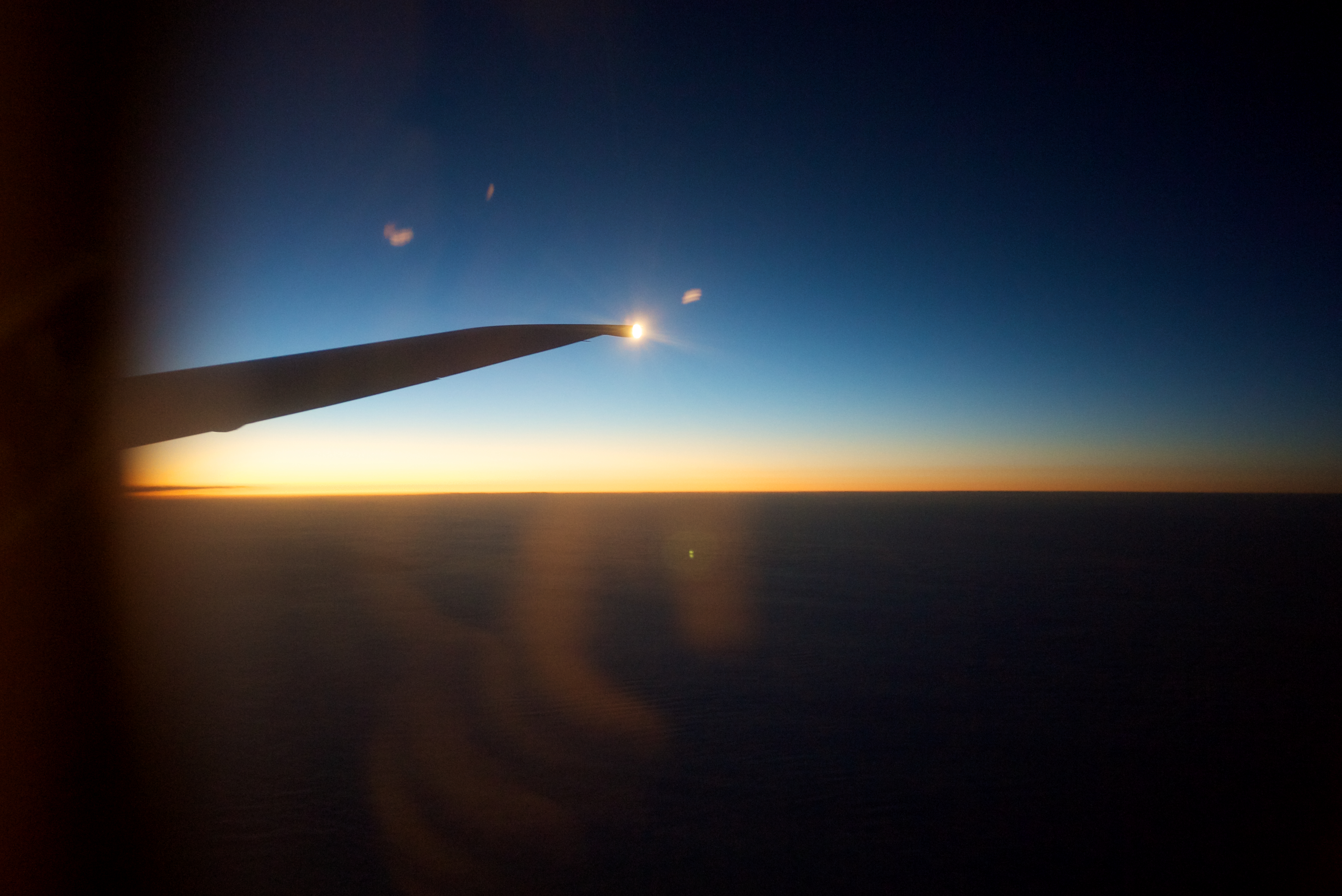
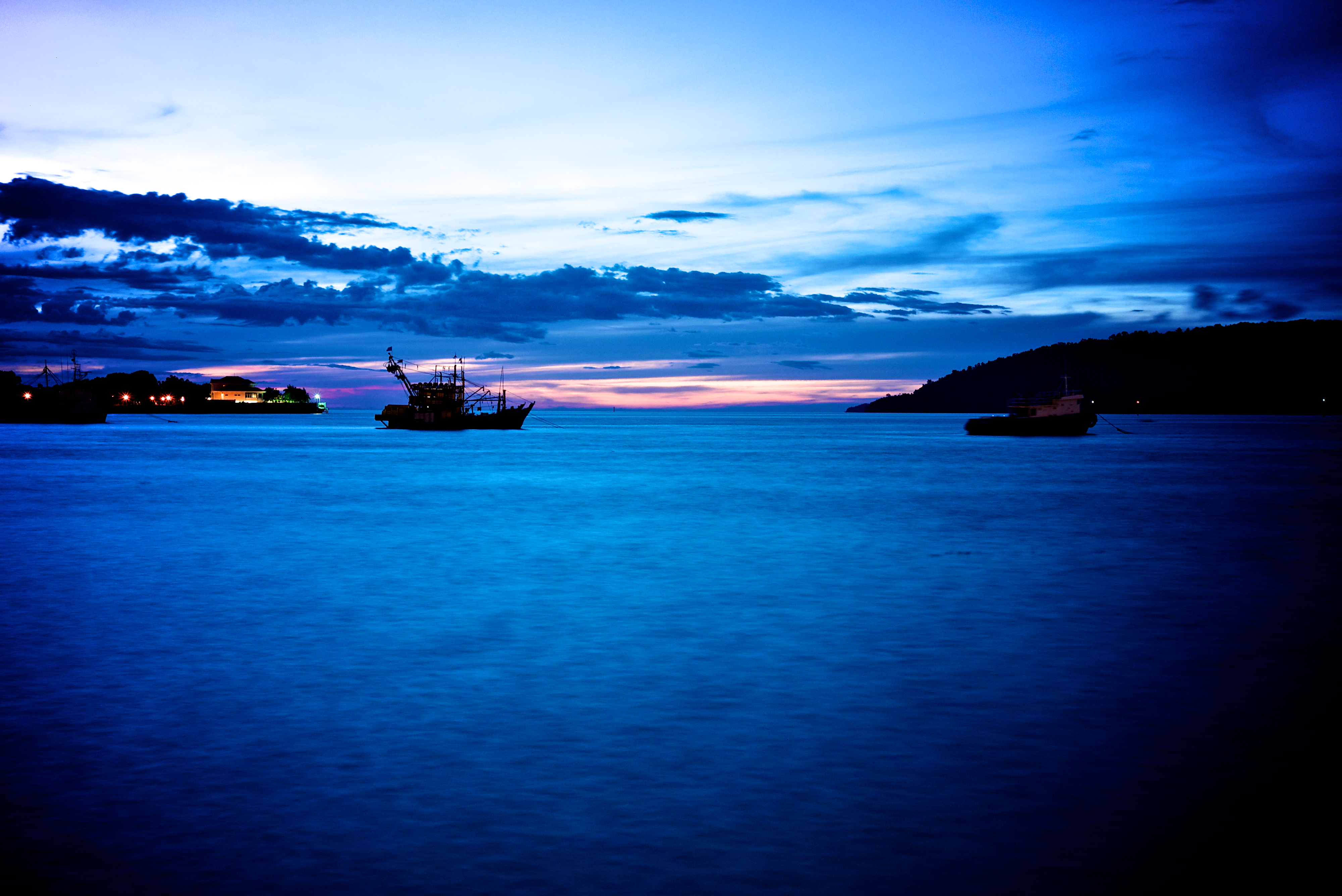
I arrived in Kota Kinabalu under a veil of night. The airport was modest, its walls carrying a patina of age that felt unexpectedly comforting. It didn’t strive to impress; it felt lived-in, a doorway used by generations of travellers before me.
The bus into the city rumbled through empty streets, past palm silhouettes and stray pools of lamplight reflected on puddles from a recent rain. Even without fully seeing it, I sensed something in the air—warm and humid, heavy with a hint of wood smoke and tropical earth, familiar in a way I could not yet place. It felt like stepping into a memory I didn’t yet possess.
That night, in a quiet hotel on the edge of town, I realized my pulse had slowed. It was the first sign that this place would not simply be a destination. It would be a recalibration.
The River and the Forest’s Breath
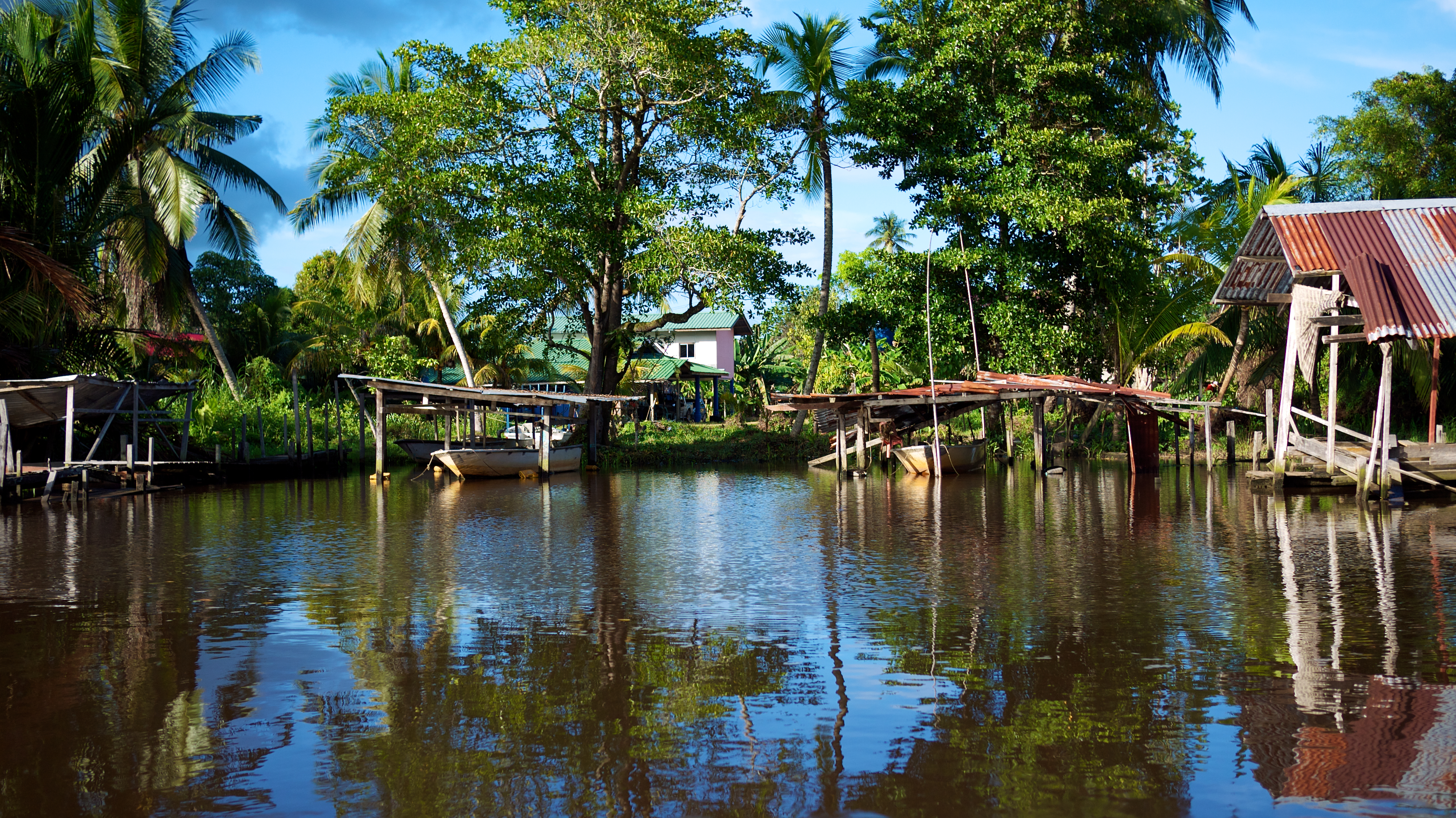
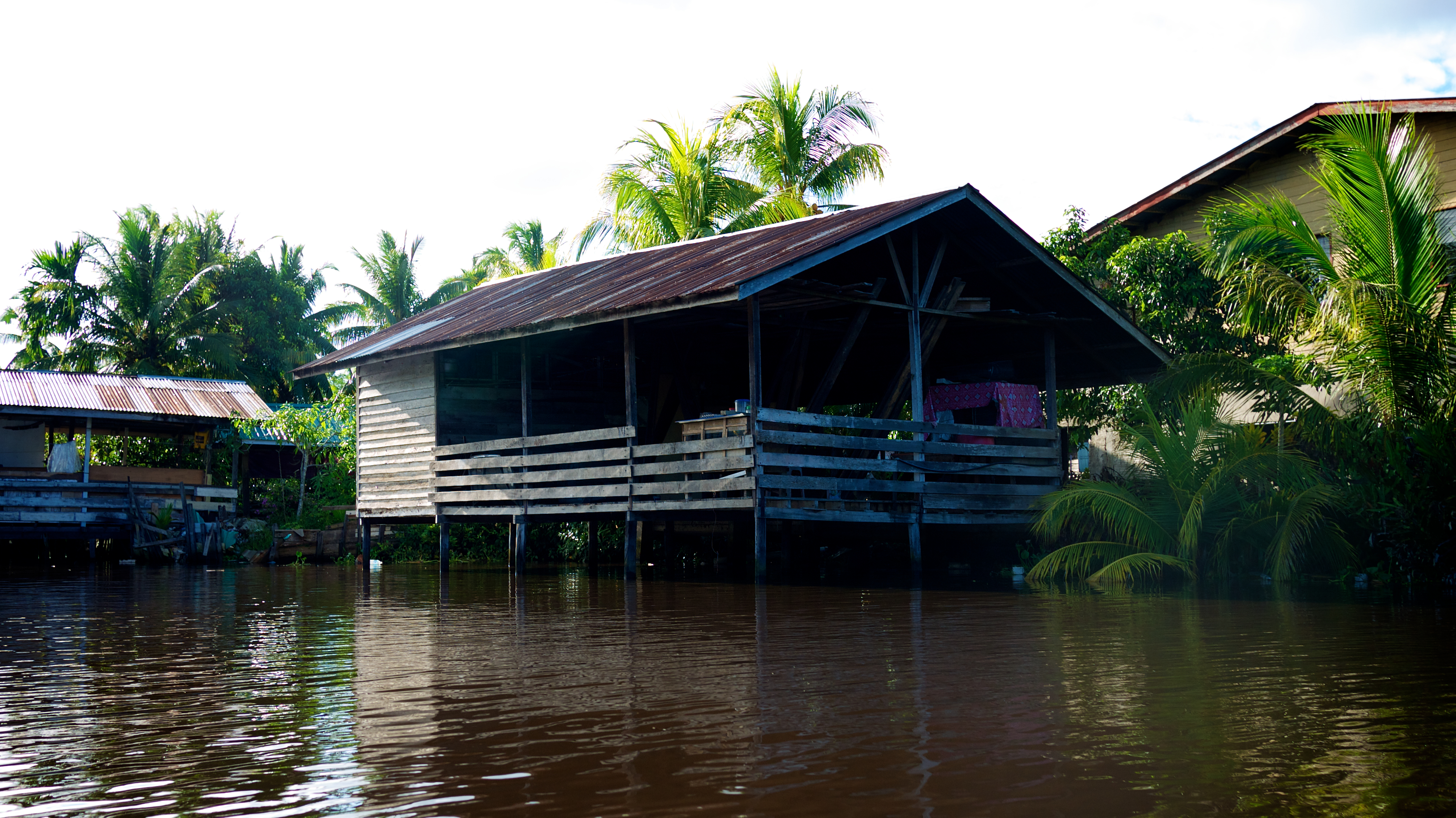
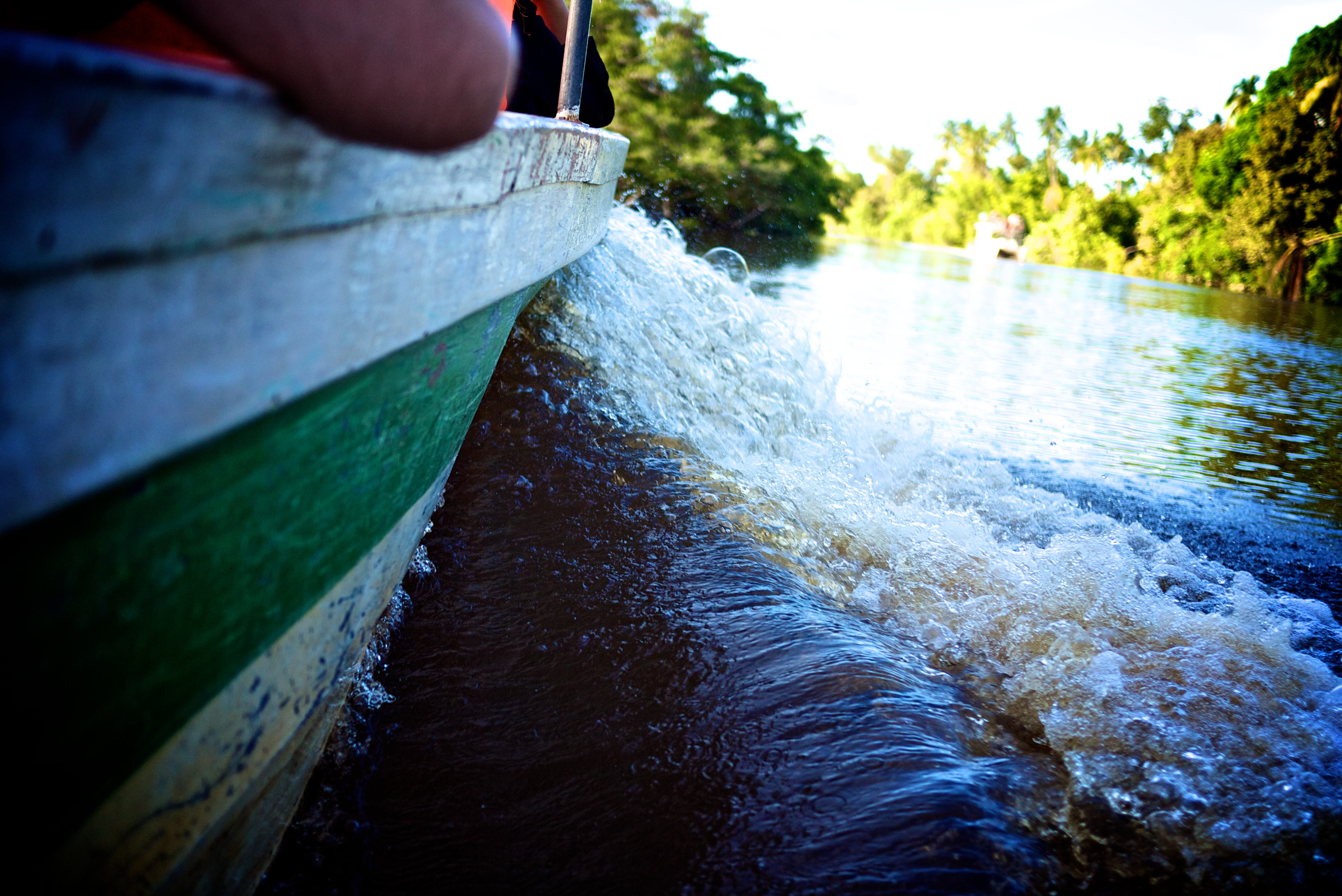
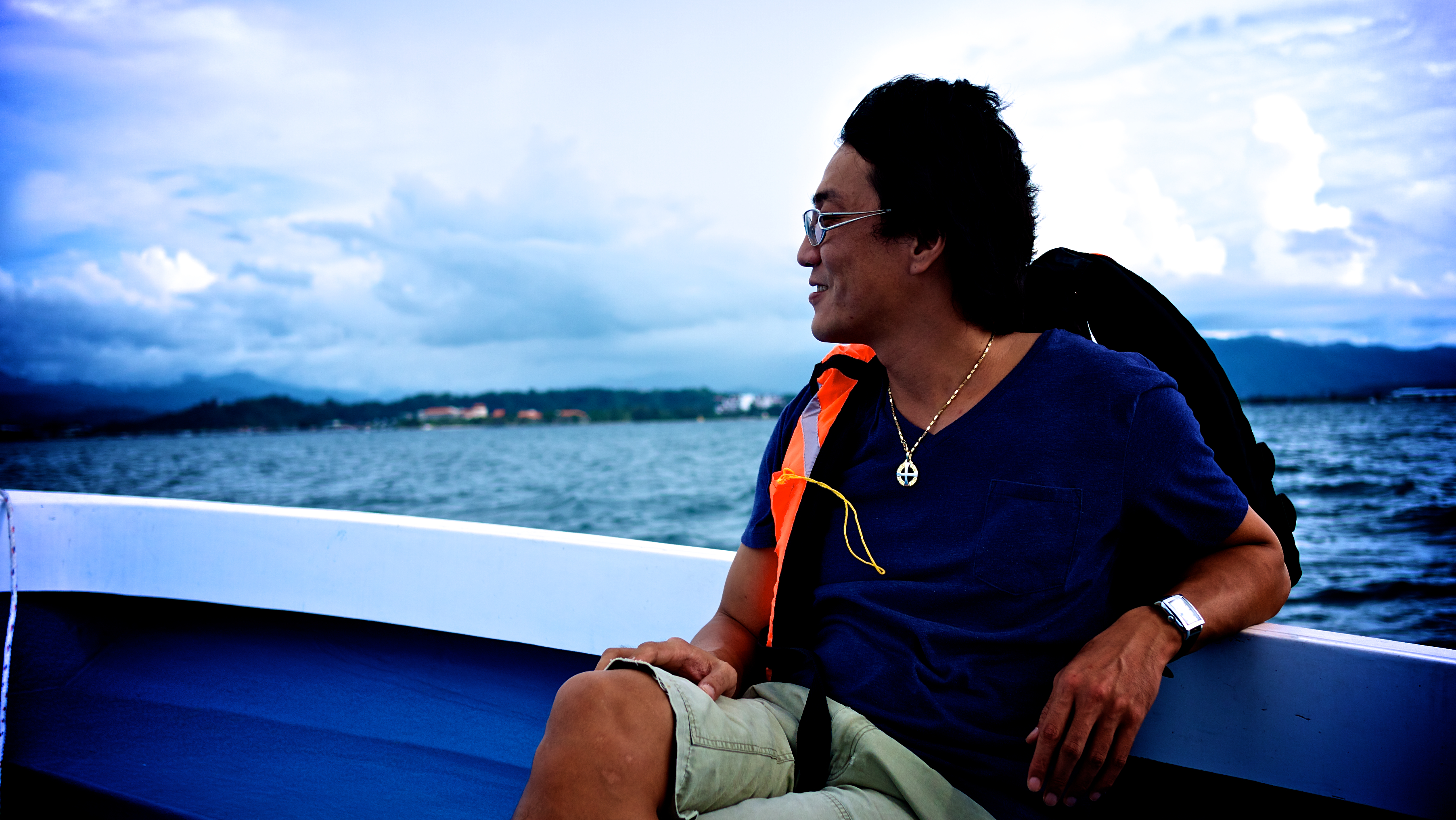
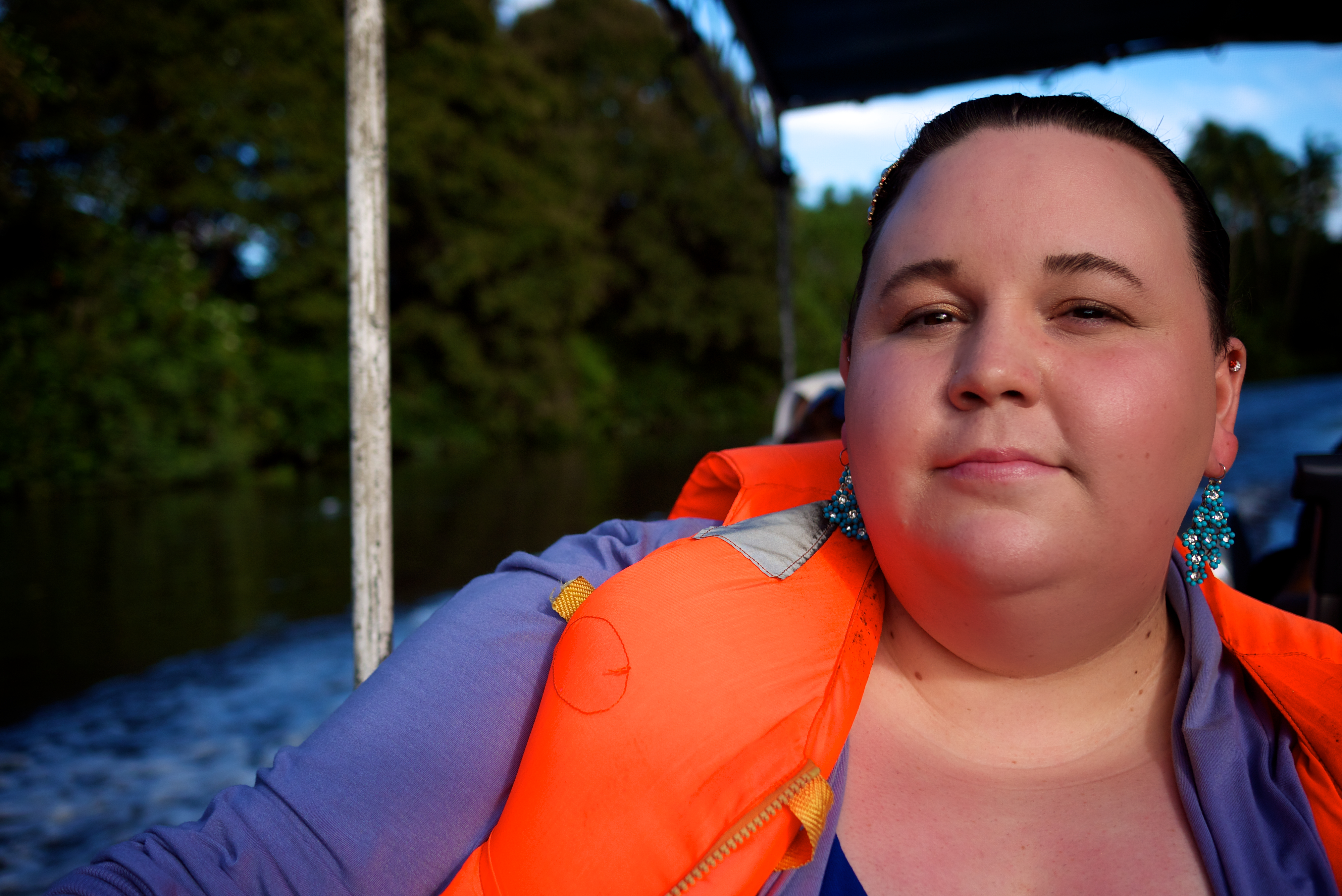
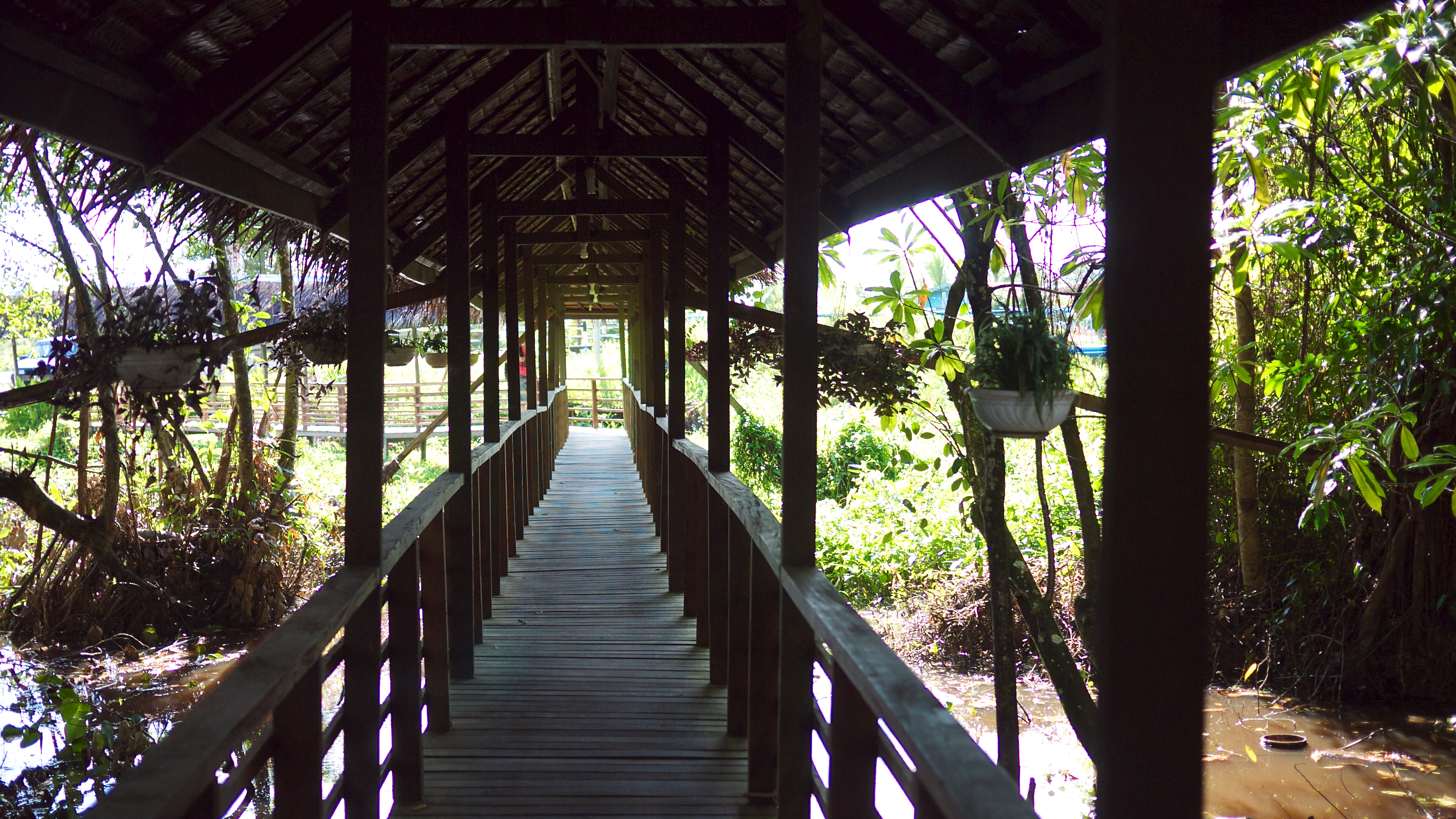
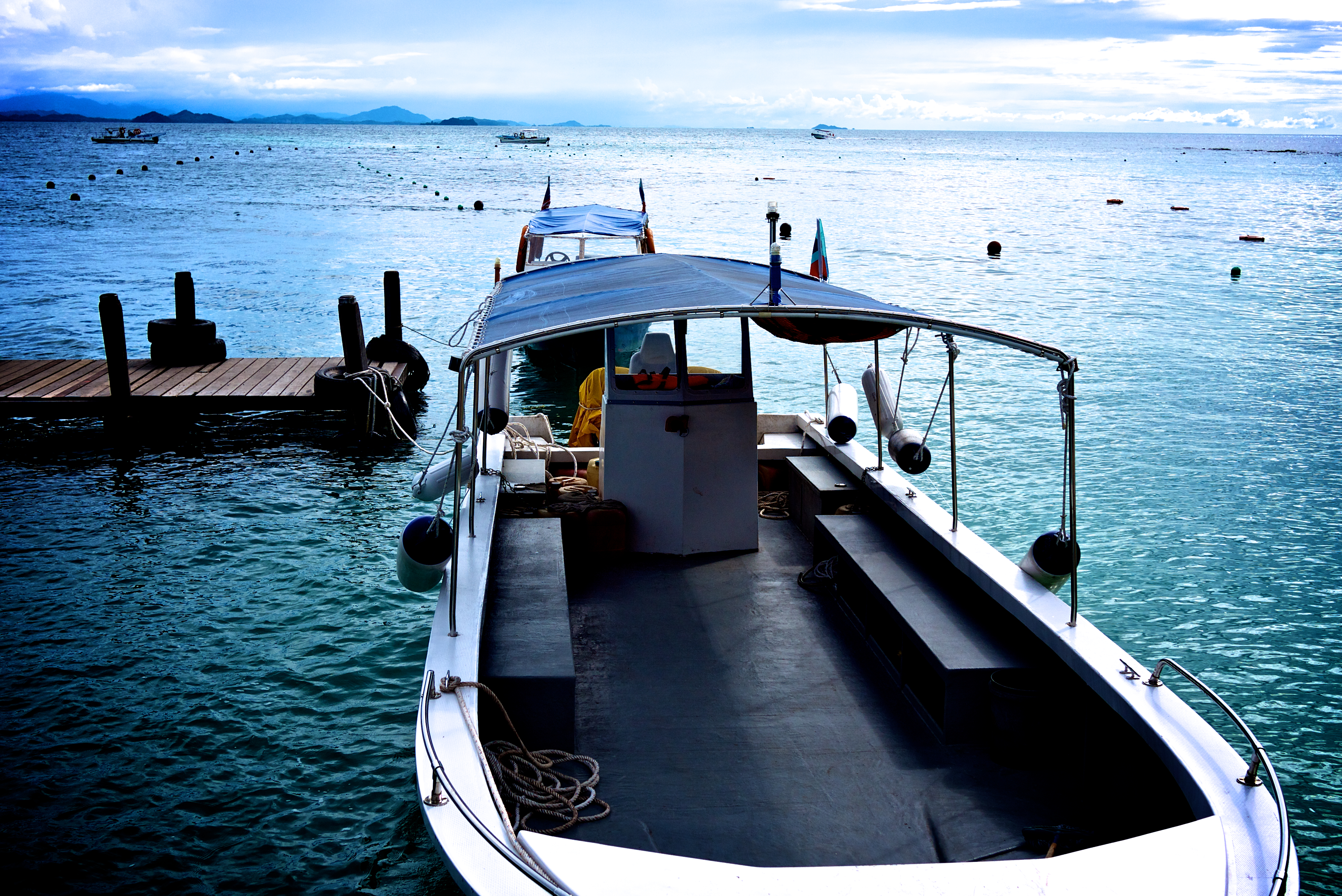
The next day, the Kawa Kawa River revealed itself as a shifting mirror of sky and foliage. Our boat drifted through channels lined with mangroves, their roots tangled in dark knots like the fingers of ancient guardians. The forest here did not announce itself; it whispered.
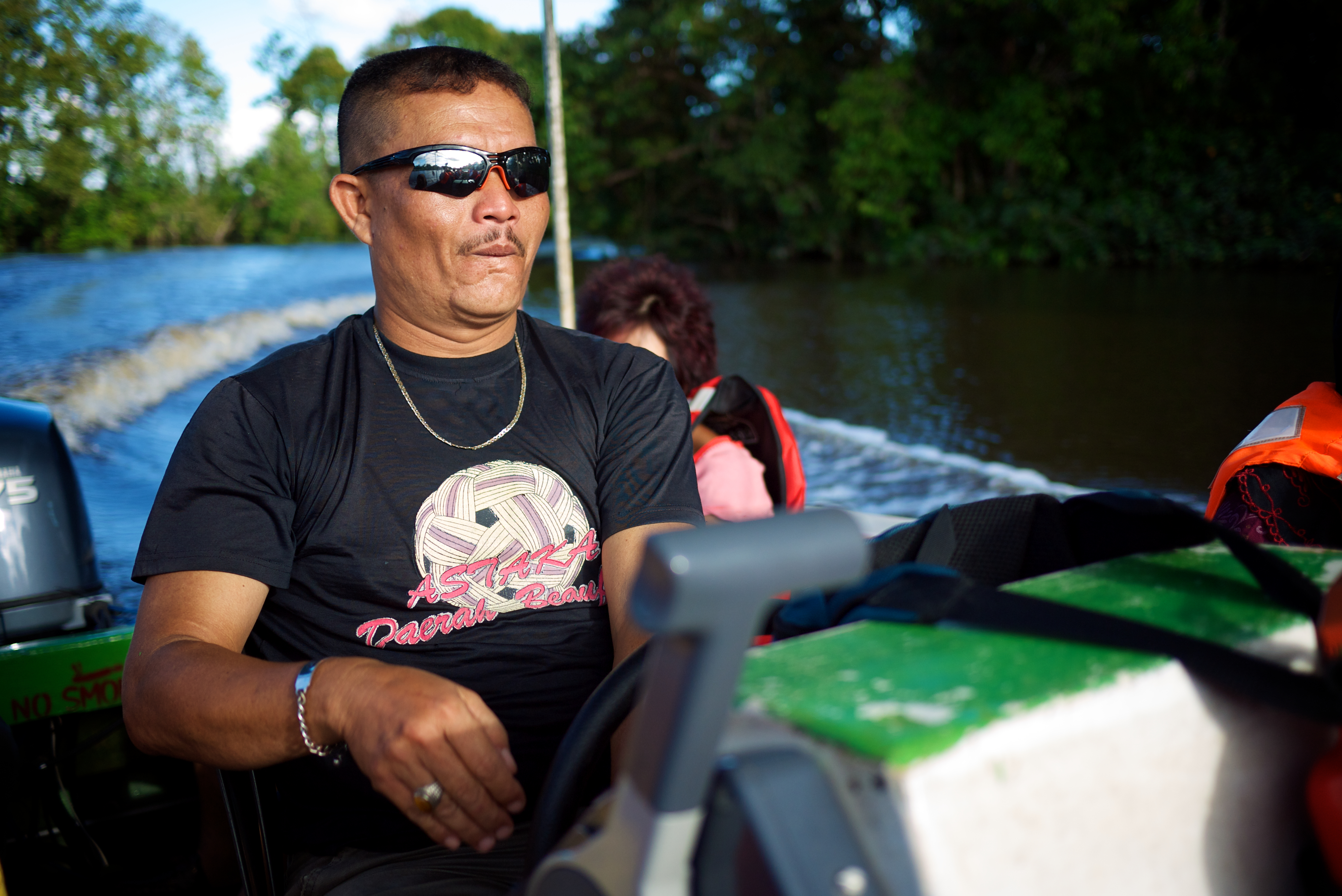
Layered music filled the air—the distant calls of unseen primates, the hum of glowing, curious but cautious insects, the gentle scrape of water along muddy banks. It felt ancient, patient, unhurried. Our boat pilot, a weathered sailor, offered no commentary, but his knowing glance suggested: sit forward, study the secretive shores, and see what the forest chooses to show.
Floating through those winding channels, I finally understood something my high school teacher had once said: wilderness has a way of rearranging the inner architecture of a person. I had come seeking adventure, but what I found instead was a gentler transformation. A clarity arrived not from conquering, but from being enveloped by something older, wiser, and larger than myself.


The Pilgrimage to Kinabalu
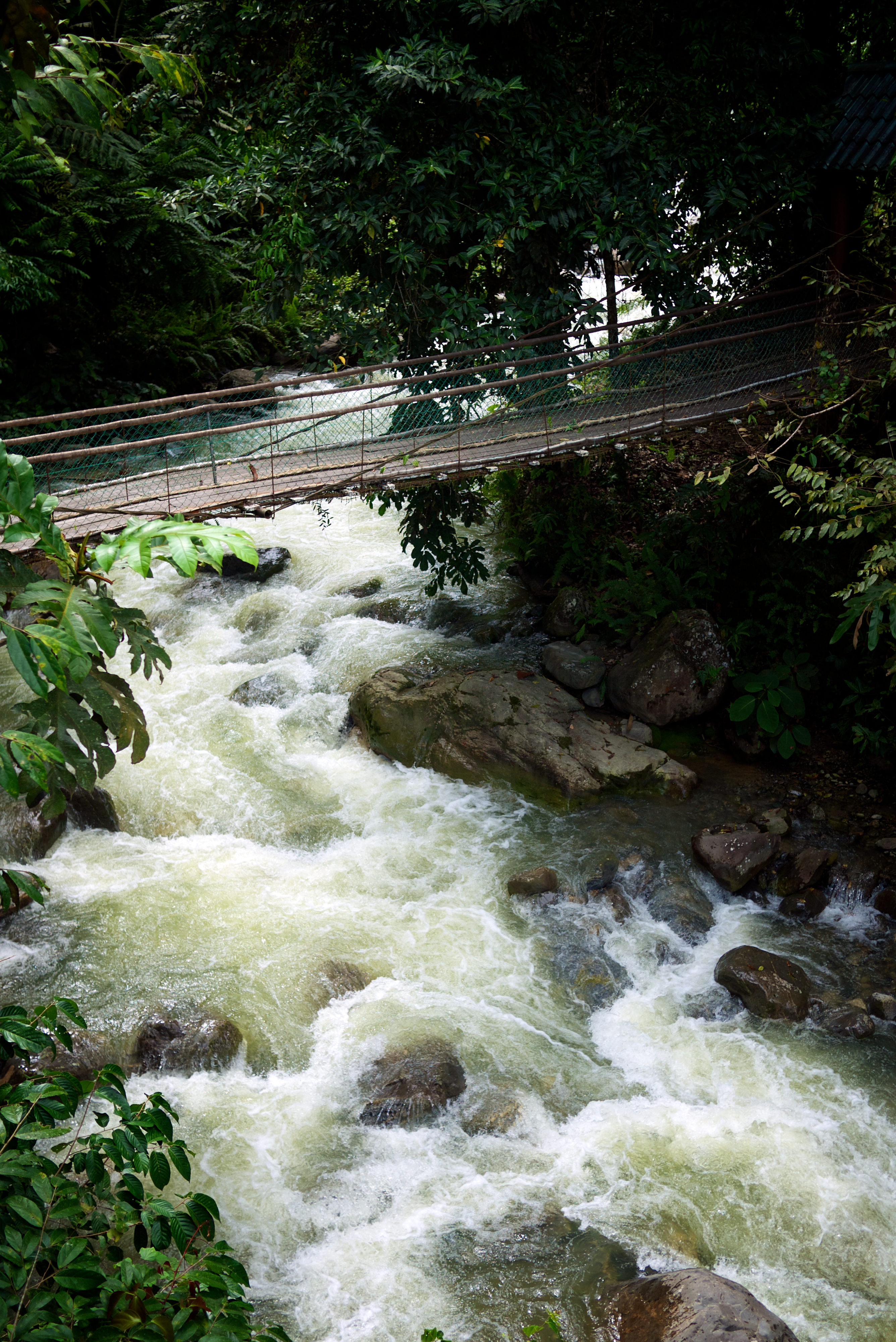
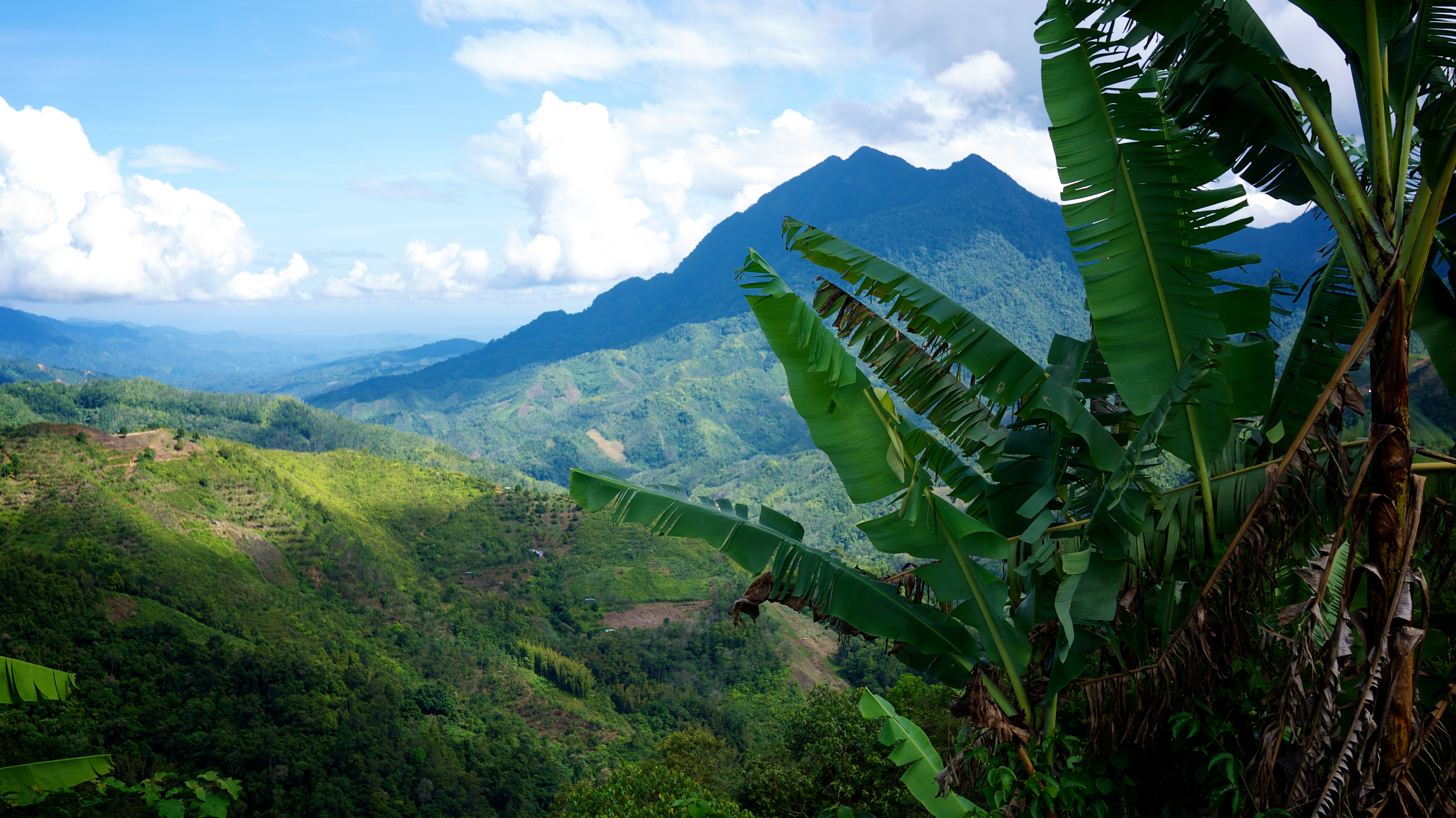
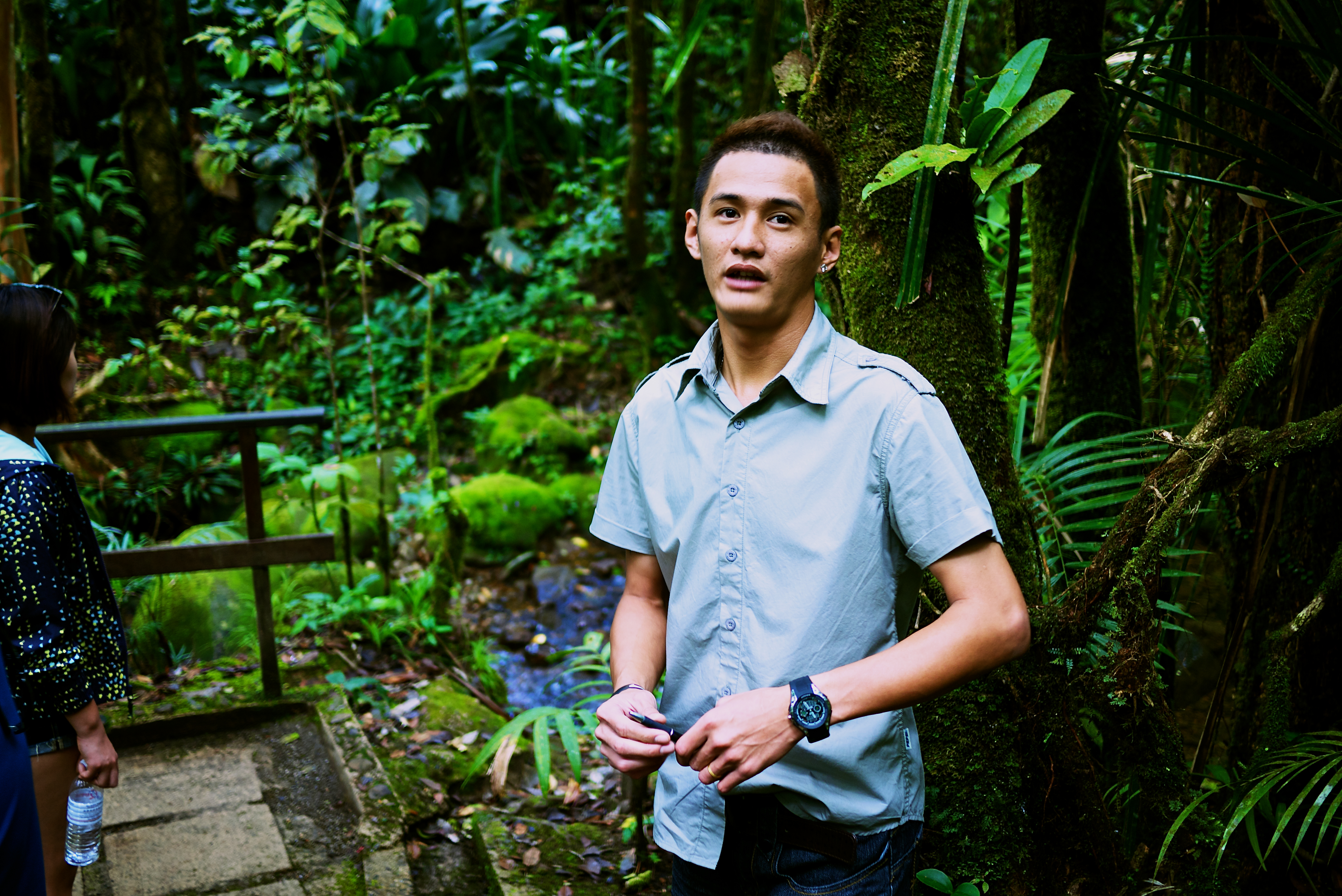
A few days later, I began the journey toward Mt. Kinabalu. The road curled through valleys and mountain passes, each turn revealing swaths of emerald landscape that seemed to breathe with the rhythm of the earth. Terraced farms clung defiantly to steep slopes, the improbable beauty of human labour in harmony with nature.
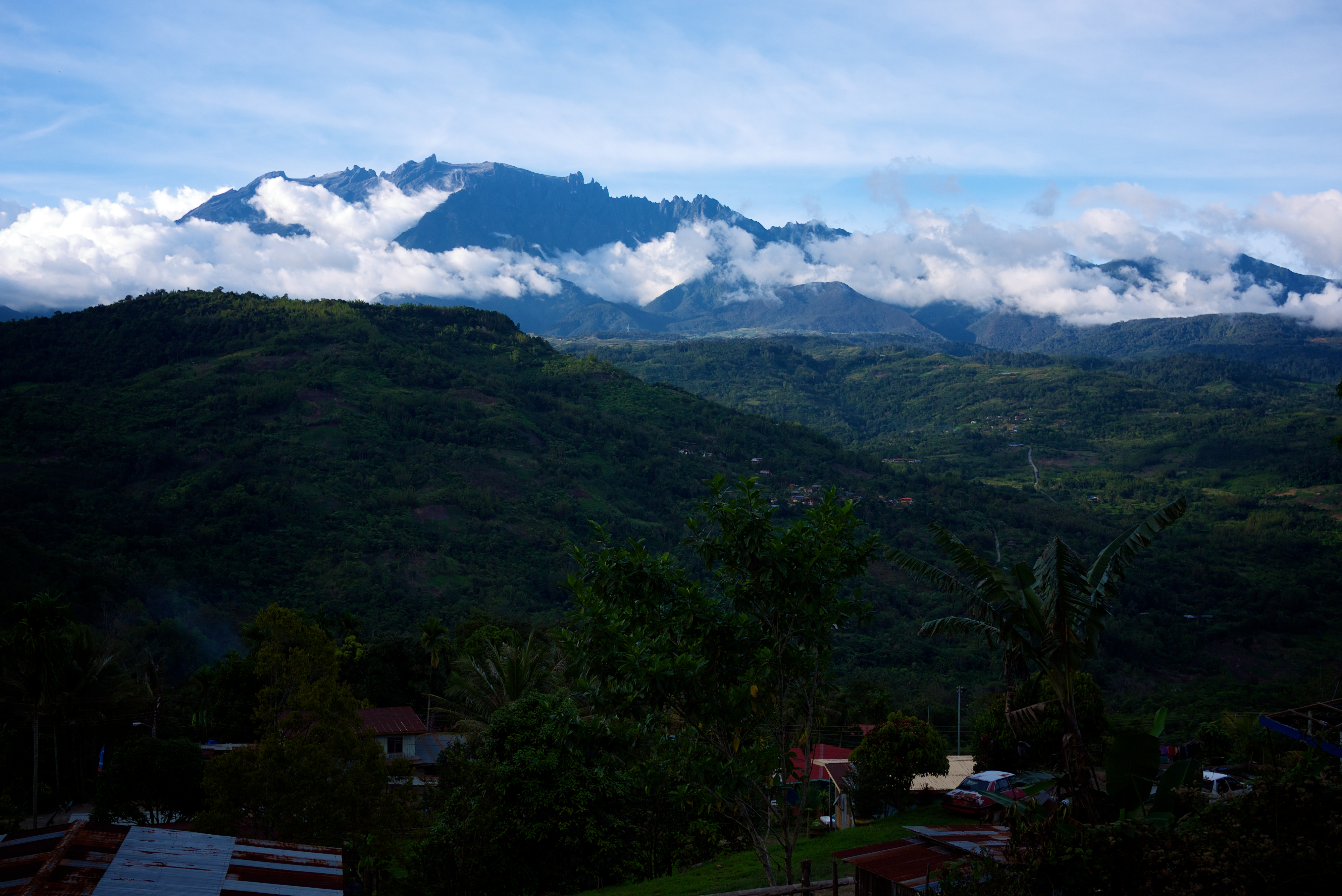
As we entered the foothills, I recalled Mr. Jones’s stories—the sacredness of Kinabalu to the people of Sabah. This was not just a mountain. It was an ancestor, a shrine, a cornerstone of identity. The rule that nothing should be taken from or left on the mountain took on new weight: respect, not regulation.
Sabah is nicknamed “Land Below the Wind” as the state lies below the typhoon belt of East Asia and is not often hit by the same devastating typhoons its neighbours experience.
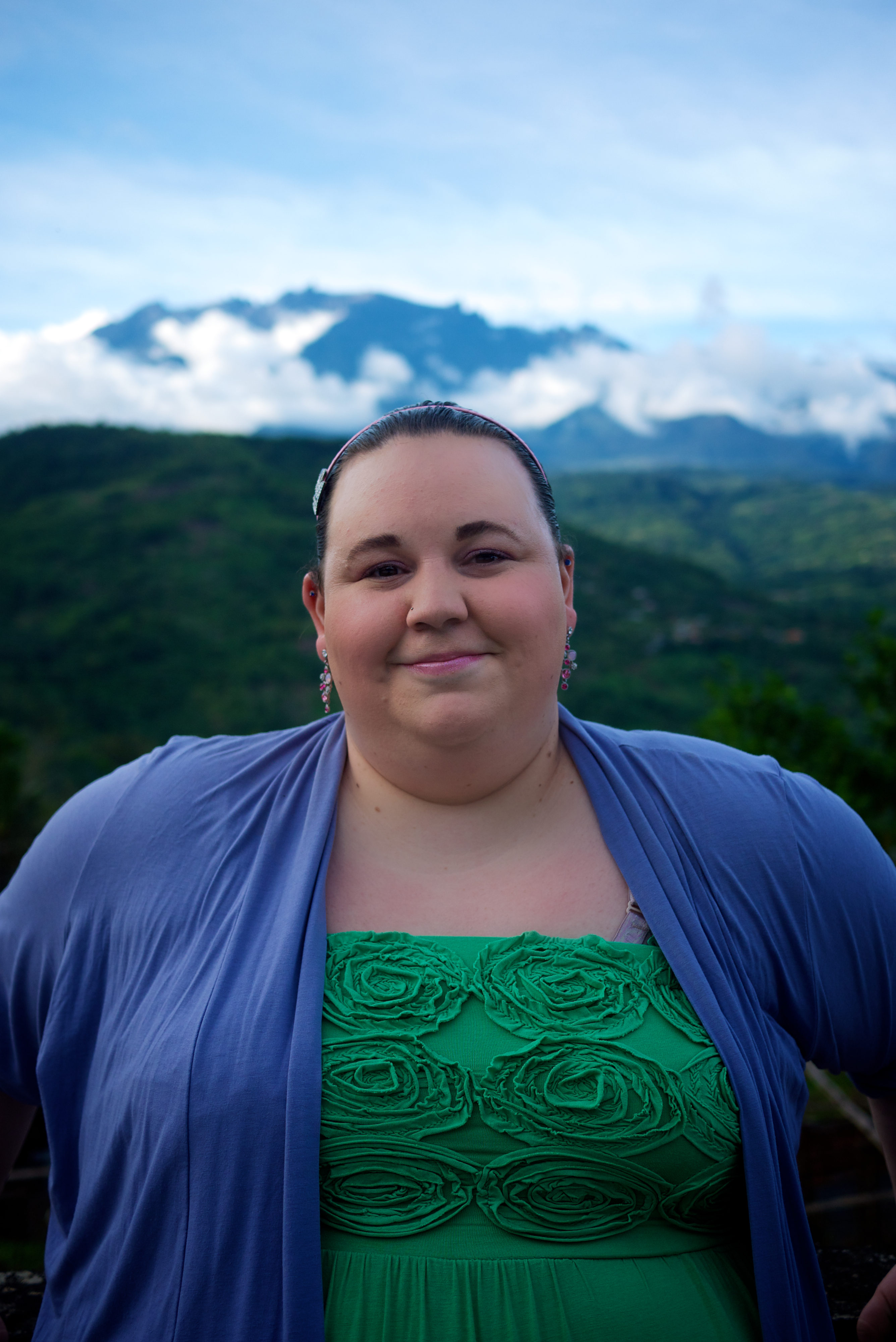
Because my time was limited, and because, let’s face it, I am lazy, I did not attempt the full climb. Instead, I paused at a quiet clearing halfway up, where a small café hugged the mist-shrouded mountainside. I sat alone on the wooden patio, listening.
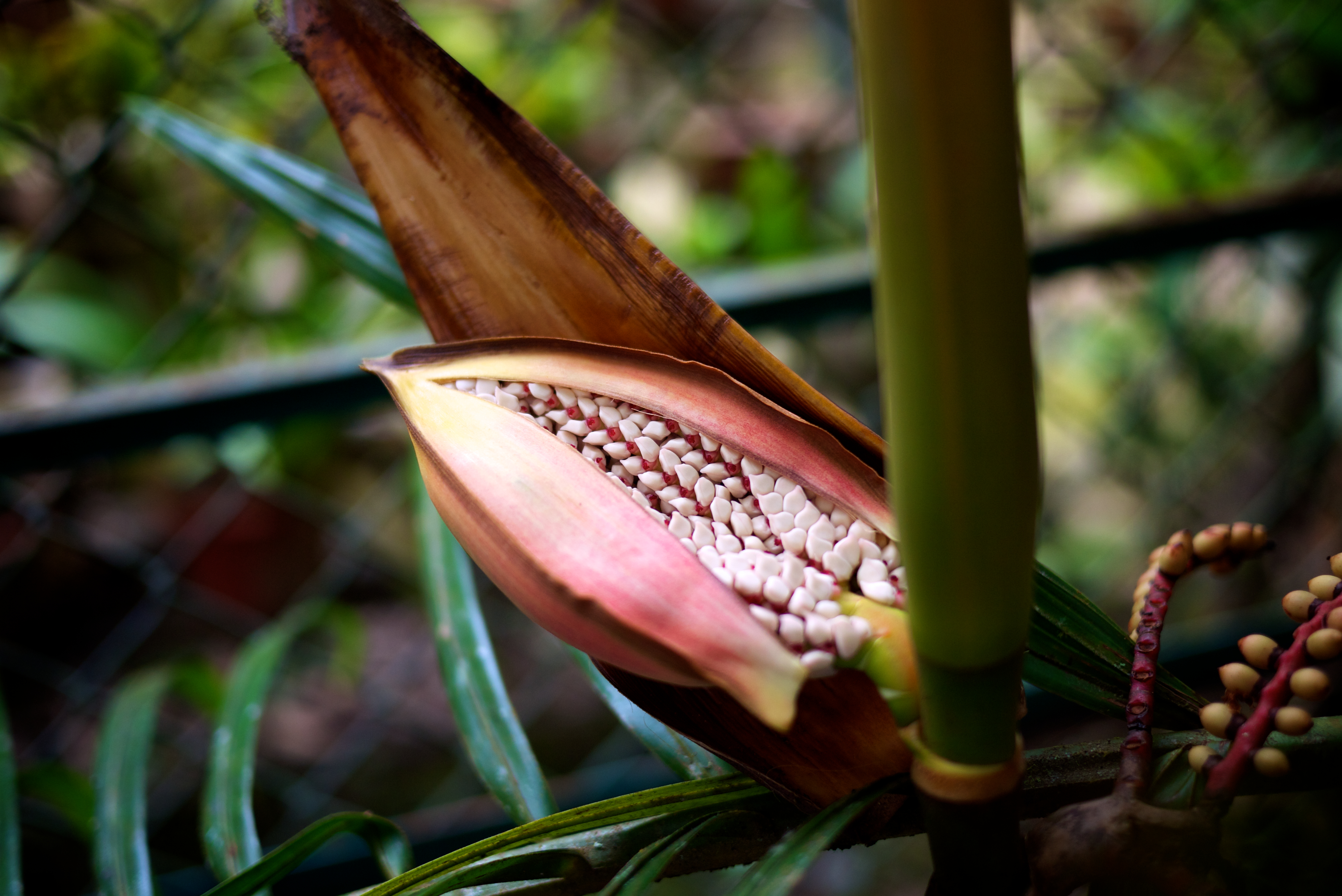
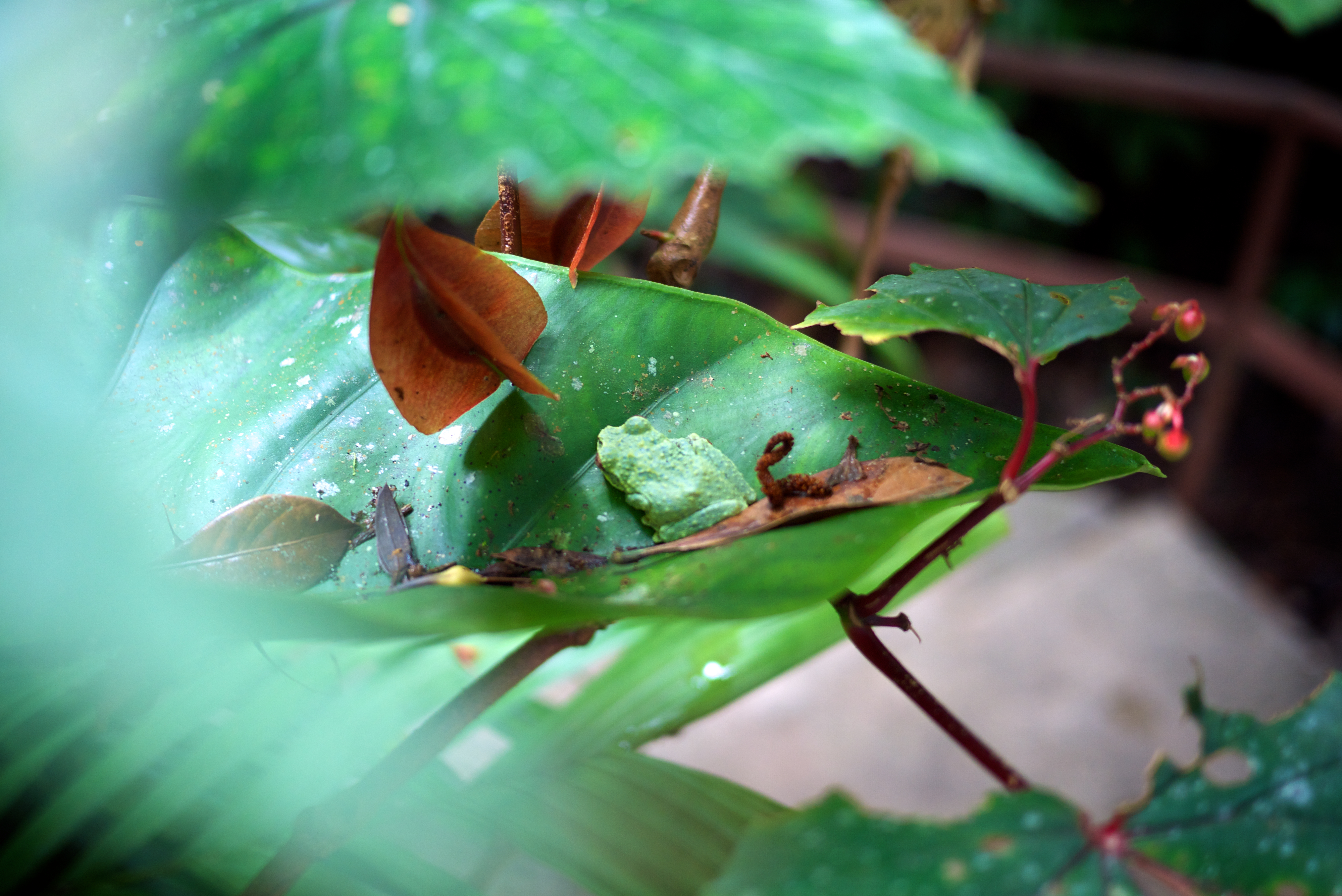
The rainforest around me vibrated with life. Clouds rolled across the ridges like slow, deliberate tides. The air carried the faint scent of wet earth, moss, and wildflowers I had never seen before. It felt impossibly balanced—neither cold nor warm, neither loud nor silent. Just… whole.
Suspended between the world I had come from and the world spreading beneath me, something inside me settled. Not excitement, not revelation—just a deep, anchoring calm. For the first time in years, I recognized a version of myself I thought I had lost.


Kota Kinabalu’s Gentle Rhythm
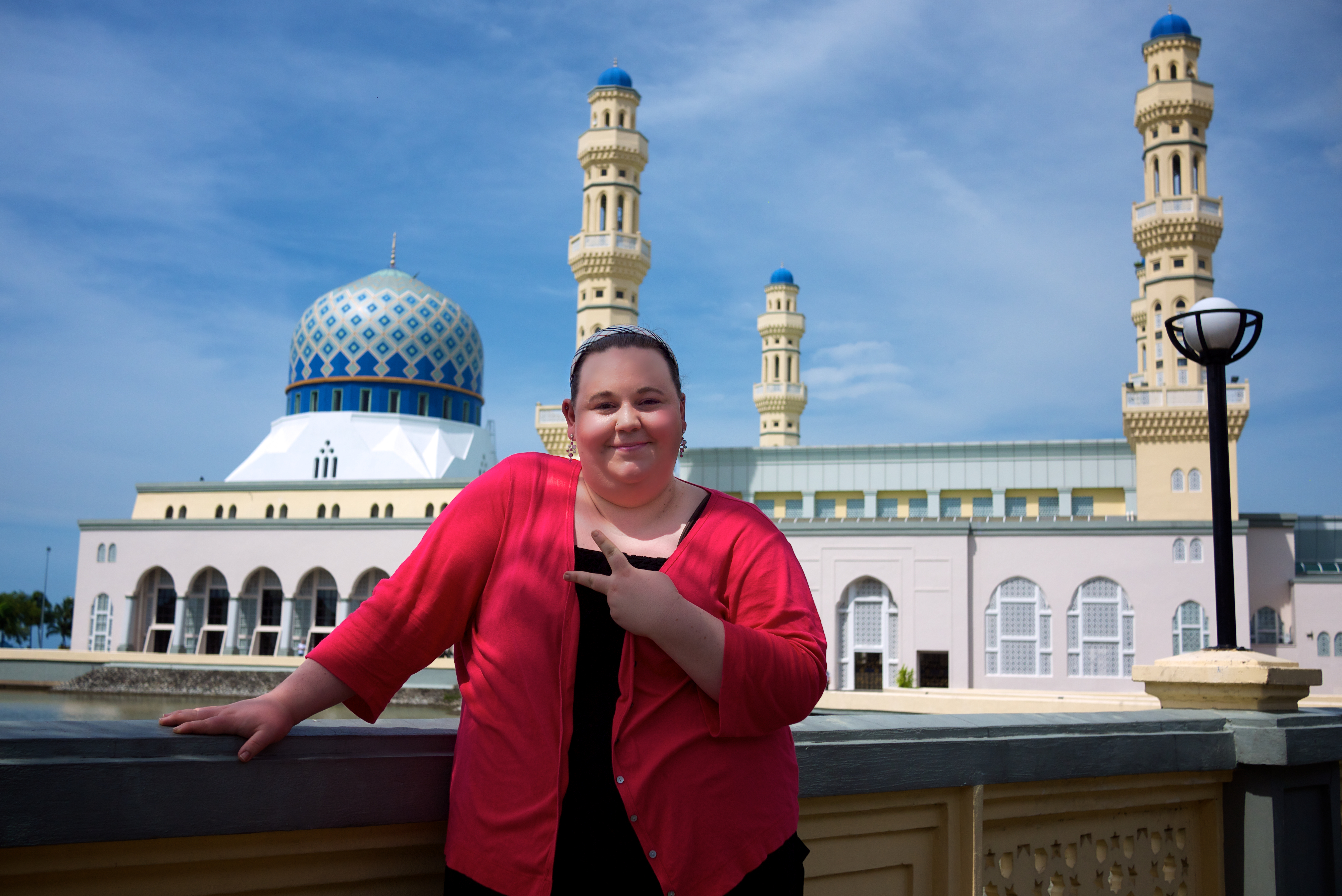
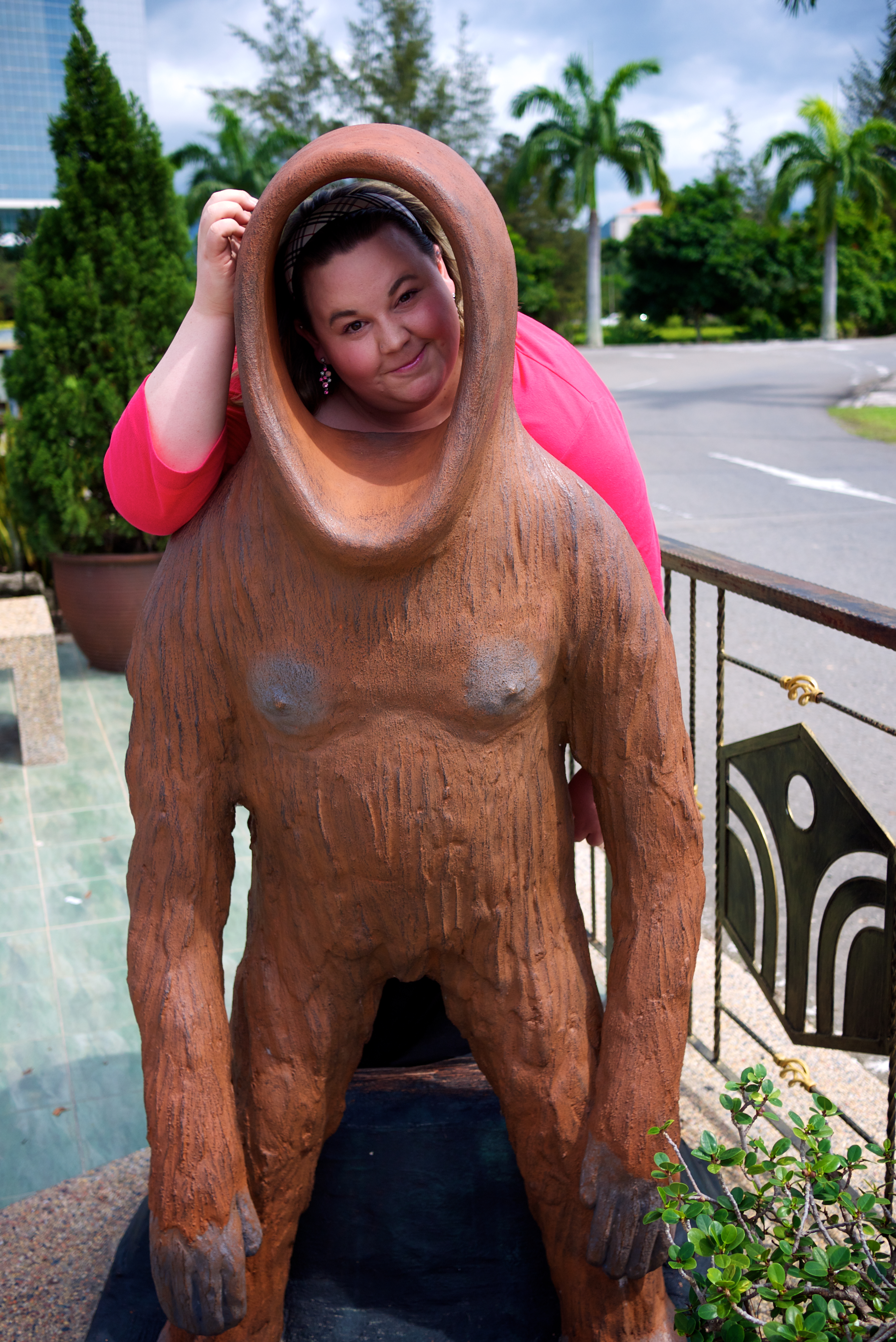
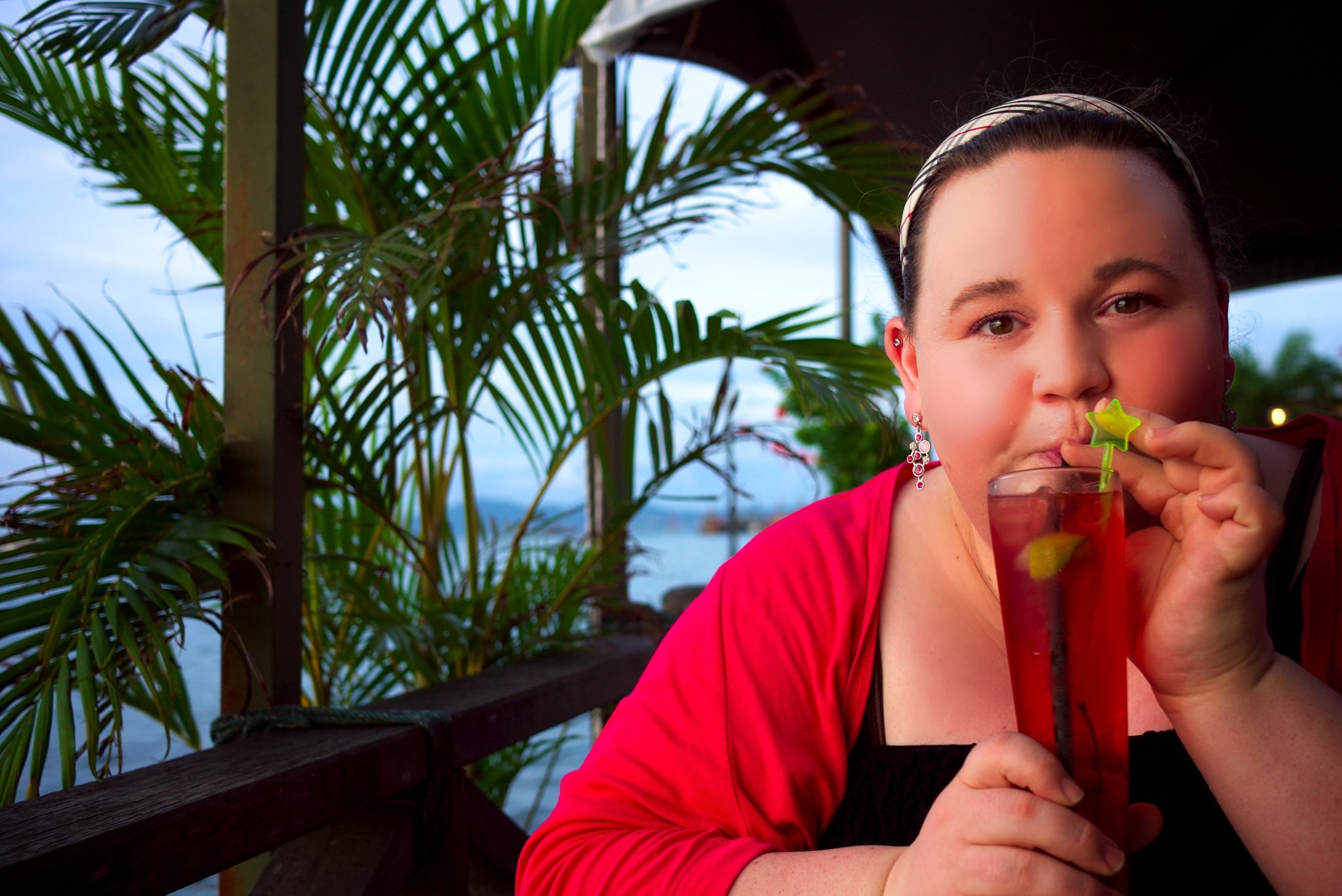
Returning to the city only accentuated the contrast. Kota Kinabalu lacked the manic urgency I had grown accustomed to in Korea. Even at its busiest, the city moved with a different rhythm—steady, warm, unforced. Time felt somehow wider here; softer around the edges. People paused before speaking. They made space for breath between sentences.
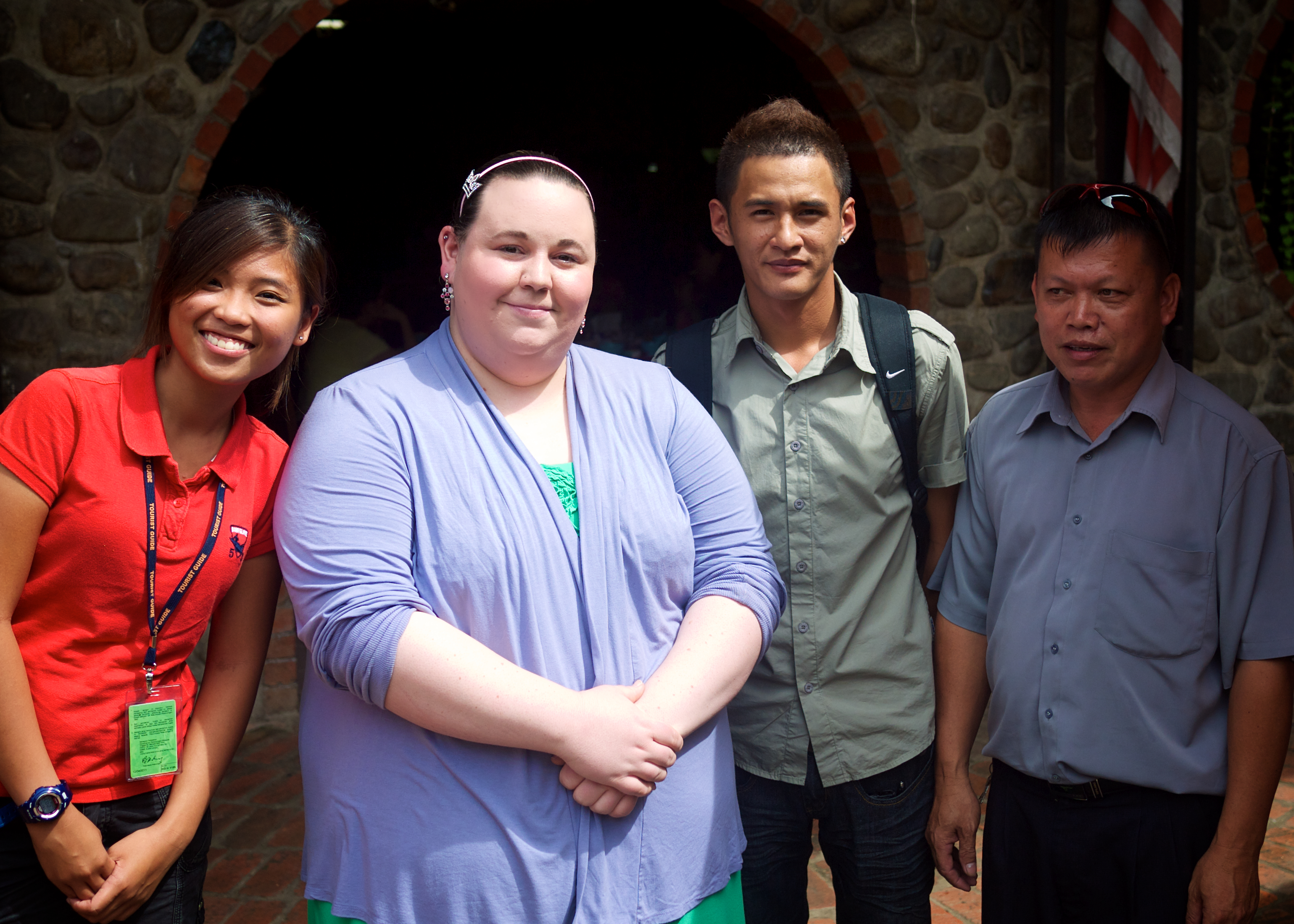
Even in the city, the quiet generosity of the people and their pride in their land echoed the respect I had seen in Kinabalu itself. Evening conversations unfolded slowly, exploring Sabah’s ecology, diverse cultures, and fragile environmental balance. Here, I realized that the peace I had felt on the mountain was not contained to the mountain—it was woven into the fabric of the place, subtle and persistent.
A Circle Completed
On my final day, I returned to the clearing on Mt. Kinabalu. The mist lifted briefly, revealing the jagged silhouette of the summit cutting into the sky. Clouds formed and dissolved around the peaks like deliberate breaths. Standing there, I felt the long arc of my life bend into alignment.
This place—once unreachable—had been guiding me long before I ever boarded the plane. It had lived in the stories that shaped my imagination, in the yearning that followed me across years and continents.
And in that moment, I understood a quiet truth: some dreams are not abandoned. They are simply waiting for us to grow into them.
I thought of my teacher, of the stories he shared with a room of disinterested teenagers, unaware that one student in the back row was absorbing every word like oxygen. He had not tried to inspire. He had simply lived his passion openly. And that proved enough.
Now, halfway up a sacred mountain in Sabah, I felt the thread connecting his stories to my own footsteps. The circle had closed. And in that closing, something in me opened.
I had come seeking adventure. Instead, I found belonging. Not to a place alone, but to myself.




I DIDN’T PLAN TO BECOME A TEACHER: The Students Who Made Me Stay
I didn’t become a teacher because I planned to. I became one because I stayed. Because I said yes often enough. Because students like Alex and Clare taught me that education is not merely academic—it is relational, fragile, and profoundly human.


PART 3 – NO PERMISSION NEEDED: What Was Once Shame Has Become Pride
What began as innocent play, the joy of dressing up and pretending, soon curdled into confusion and punishment. My parents’ gentle corrections hardened into anger, their voices faltering with something more akin to unrelenting impatience. My pleas — small, wordless, desperate — were dismissed as misbehaviour. How could I have explained, at four or five…

PART 2 – SHAPE OF BECOMING: Grief, Legacy, and Inheriting Her Echo
Grief is a complex journey, shaping identity through loss and memory. Sabrina reflects on her relationship with her mother, navigating absence, longing, and legacy. While struggling to inherit her traits, they ultimately find strength and validation in her mother’s enduring voice, guiding them towards self-acceptance and growth.

(10 Years Later) WHERE THE CITY SOFTENS: The First Week of Becoming Her
Sitting atop the highest hill in my district, near the top of the building, I could see so much of Ansan spread out beneath me. And in the early days of HRT, when the cool, damp air from the West Sea met the warm currents rolling down from the Gyeonggi mountains, a gentle fog would…
THE ATROPHIED LIVES OF ORDINARY MEN: The Glory of Willful Homelessness
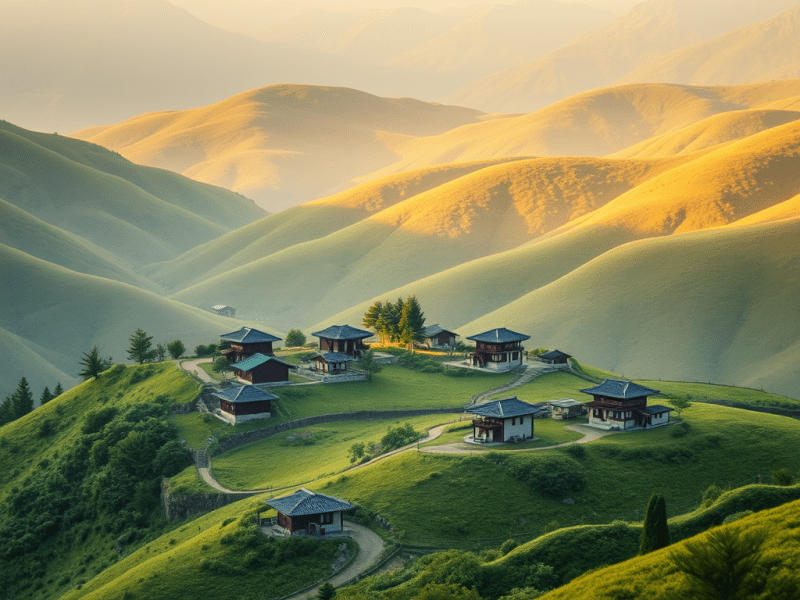
The author reflects on a life spent resisting conventional paths, using travel as an escape from a confining upbringing. Disillusioned by the modernity of Seoul, which contrasts sharply with her childhood dreams of an exotic East, she discovers fragments of Korea’s past in its rural areas. This duality evokes both love and resentment.
 Sabrina Constance