Below are just some of the police encounters I have had over the last few years. What is below only represents a small fraction of what I have experienced. Sometimes the footage is lost to time or exist on other social media platforms.
It is essential to understand your legal rights and obligations when dealing with the police for several reasons.
Understanding legal rights and obligations is vital for personal safety, justice, and community relations.
Protection Against Abuse: Knowing your rights can help protect you from potential abuses of power and ensure you can assert your rights in encounters with law enforcement.
Informed Decision-Making: Awareness of your legal rights allows you to make informed decisions during interactions with the police, such as whether to consent to searches or answer questions.
Ensuring Fair Treatment: Understanding your rights helps promote fairness and accountability in policing. It empowers individuals to recognize when their rights are being violated and take appropriate action.
Attempting & Failing At Getting An Apology for Another Transphobic Incident: After three incidents of intentional transphobic conduct by the Niagara Regional Police Service (in St. Catharines), I confront a S.SGT with regards to their continued pattern of harassment and bigotry. As is often demonstrated, being a police officer means ZERO accountability and never apologizing (for negligence or malfeasance).
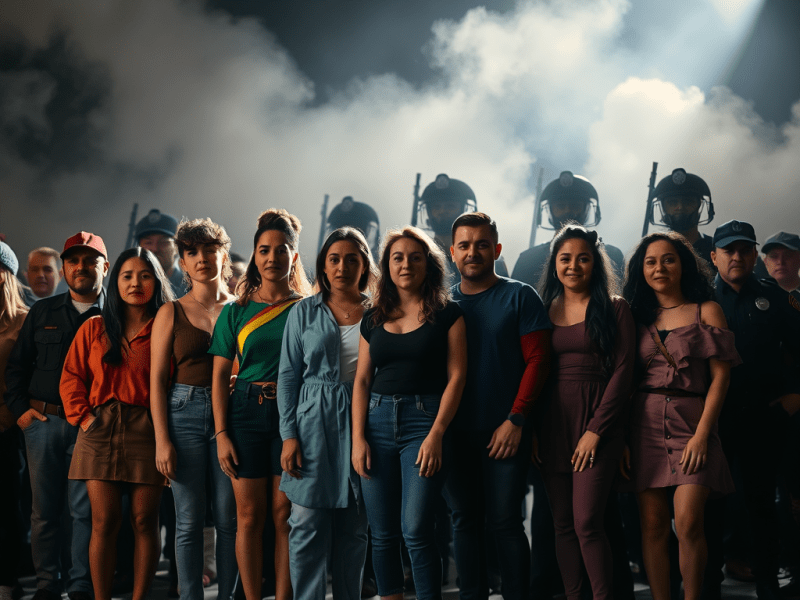
JUSTICE ENDS WHERE POLICING BEGINS: The Shameful History of Policing The Gay and Trans Community in Canada
Policing reform is routinely framed as a matter of training, oversight, or inclusive language. None of this resolves the central contradiction exposed by decades of violence against trans people: policing is a system built on discretion, not equality. It decides who belongs, who is suspect, and whose suffering is credible.


ALONE AGAINST THE SYSTEM: Fighting Police Misconduct in Ontario Means Surviving It
In Ontario, holding police accountable isn’t a matter of justice — it’s an act of endurance.

ROT AT THE CORE: How Transphobia Persists in Niagara’s Policing Culture
The former president of the Niagara Regional Police Association exemplifies systemic transphobia and homophobia in policing, perpetuating a culture of distrust. This issue highlights accountability failures, emphasizing the need for broader community responsibility in ensuring respect and equality for marginalized groups.
Legal Consequences: Awareness of legal obligations can help individuals avoid unintentional violations that could lead to legal repercussions, such as arrest or charges.
Empowerment: Knowledge of legal rights empowers individuals, enhancing their confidence in navigating interactions with police and the broader legal system.

On The Myth of Canadian Exceptionalism
This is not an argument that Canada is Mississippi in 1964—but no society arrives at that point by accident. The same dynamics are visible here at home. They surface in the normalization of hateful rhetoric online and in public spaces across Canada, including here in Niagara. Those advancing this rhetoric often insist they are merely…
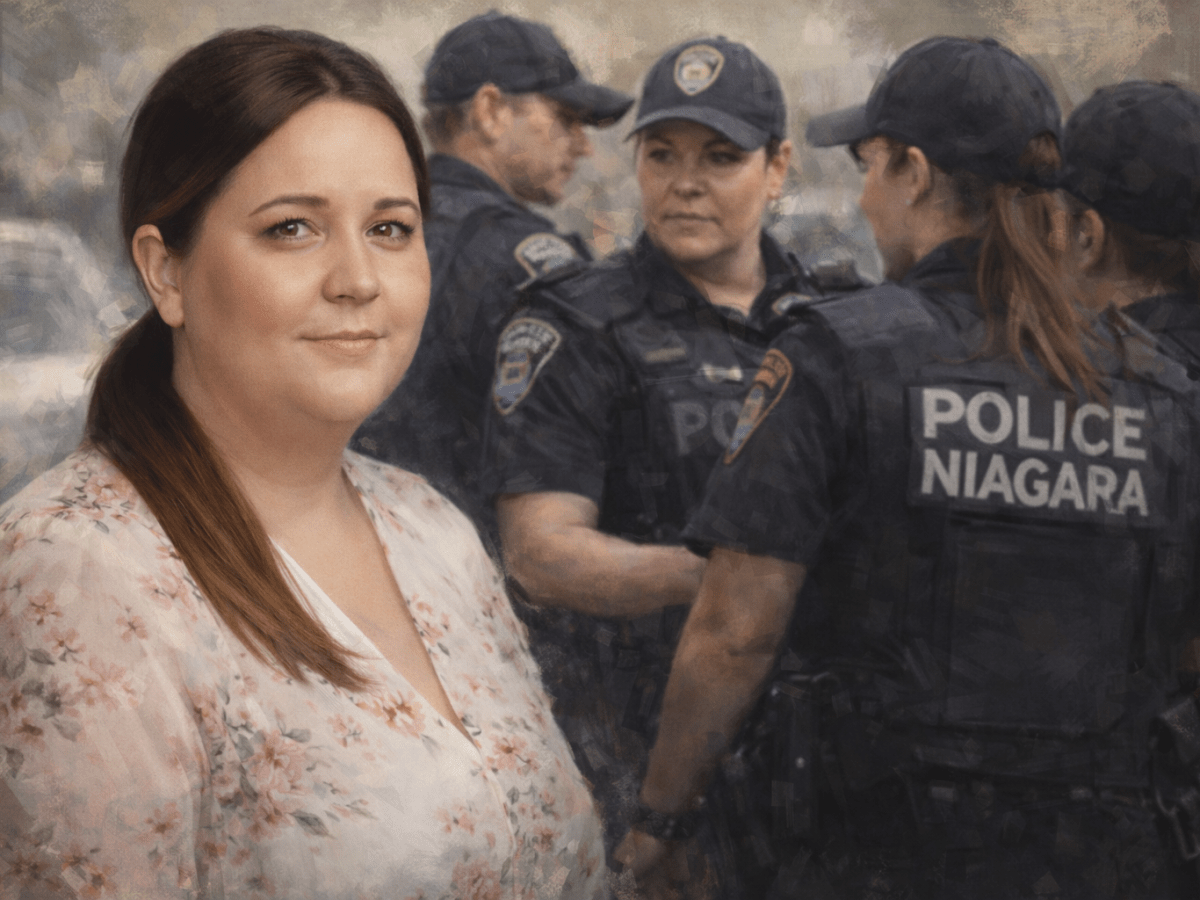
On My Fight with the NRPS
Until now, I have carried this case largely on my own. I authored the original complaint. I survived the first major procedural hurdle. I researched and drafted a comprehensive response to the NRPS “defence”—a document prepared by a team of taxpayer-funded lawyers with decades of combined experience. I met the system where it stood, with…

On Not Disappearing
I am not good at making lifelong friends. My record is uneven, marked by distance and missed chances. Going stealth would have only deepened that pattern. More importantly, it would have meant abandoning the mercy, empathy, and action shown by the people who stood beside me. I needed their proximity—not just their support, but their…
 Sabrina Constance